

Choosing the right windows for your home is more than just a design decision—it’s about functionality, aesthetics, and long-term energy savings. Casement windows and awning windows are popular choices for homeowners who value beauty and efficiency. These window styles offer a sleek look, maximum ventilation, and advanced functionality, making them versatile for various home designs.
This article explores why casement and awning windows are excellent options, their unique benefits, and how they compare to other window styles on the market.
Why Choose Casement Windows?

What Are Casement Windows?
Casement windows are hinged on the side and open outward, much like a door. They use a crank mechanism, making it easy to open and close even in hard-to-reach places. These windows provide a clear view, making them perfect for living rooms or areas where natural light is essential.
Benefits of Casement Windows
Maximum Ventilation
Casement windows open fully, allowing maximum airflow into your home. This feature makes them perfect for areas like kitchens and bathrooms, where proper ventilation is essential to reduce humidity and odors. When opened, casement windows act like a scoop, directing fresh air inside and improving overall indoor air quality.
Energy Efficient
Casement windows are known for their superior energy efficiency. Their tight seal when closed helps prevent drafts and improves insulation, keeping your home comfortable year-round. When paired with double or triple-pane energy-efficient glass, they can significantly reduce heating and cooling costs, saving you money on energy bills. These windows are also effective in reducing noise pollution, making them a great option for homes in busy neighborhoods.
Easy Operation
The crank mechanism of casement windows makes them incredibly easy to open and close, even in hard-to-reach places. This design is especially beneficial for individuals with limited mobility or for windows installed above counters or furniture. The simple operation allows you to adjust the window to your preferred angle effortlessly, giving you precise control over ventilation and airflow.
Low Maintenance Design
Casement windows have a simple design with fewer moving parts, making them durable and virtually maintenance-free. Their construction minimizes the need for frequent repairs, and regular cleaning of the glass and lubrication of the hinges is usually enough to keep them functioning smoothly for years. Additionally, the lack of complex components helps reduce wear and tear over time, adding to their longevity.
Enhanced Security
Casement windows are one of the most secure window types available. Their locks are embedded into the frame, making them difficult to tamper with from the outside. This added layer of security helps protect your home while also providing peace of mind.
Casement windows combine functionality, efficiency, and modern design, making them an excellent choice for any room in your home. Whether you’re upgrading your current windows or planning a new build, these windows are a reliable and versatile option that delivers long-term benefits.
Quick tip: Casement windows are an excellent choice for areas exposed to strong winds. Their hinged-on-the-side design makes them naturally resistant to wind pressure when closed.
Why Choose Awning Windows?

What Are Awning Windows?
Awning windows are hinged at the top and open outward from the bottom. This unique design makes them a practical option for spaces where ventilation is needed, even during light rain. They’re commonly installed above other fixed window styles or in hard-to-reach areas.
Benefits of Awning Windows
Weather Protection
Awning windows are designed to open outward, creating a protective shield against the elements. This unique design allows for increased airflow even during light rain, making them a practical choice for areas where ventilation and weather resistance matter. Their ability to keep rain out while letting fresh air in ensures your home stays comfortable and dry, no matter the season.
Compact Design
Awning windows are an excellent solution for spaces where privacy, ventilation, and space-saving are priorities. Their compact design makes them perfect for bathrooms, basements, or bedrooms, fitting seamlessly into smaller areas without sacrificing functionality. These windows are ideal for maximizing ventilation in tight spaces while maintaining a sleek and modern appearance.
Natural Light and Fresh Air
One of the standout advantages of awning windows is how they bring in natural light and fresh air to create a brighter, more inviting atmosphere. Even in smaller rooms or areas with limited wall space, these windows allow ample sunlight and ventilation, helping to make your home feel open and airy. Their design promotes better air circulation, removing stale air and enhancing the overall indoor environment.
Awning windows are a versatile, practical, and stylish option for homeowners looking to improve ventilation, lighting, and weather protection in their living spaces.
Did you know? Awning windows pair well with picture windows by adding ventilation without compromising views.
Comparing Casement and Awning Windows
Ventilation
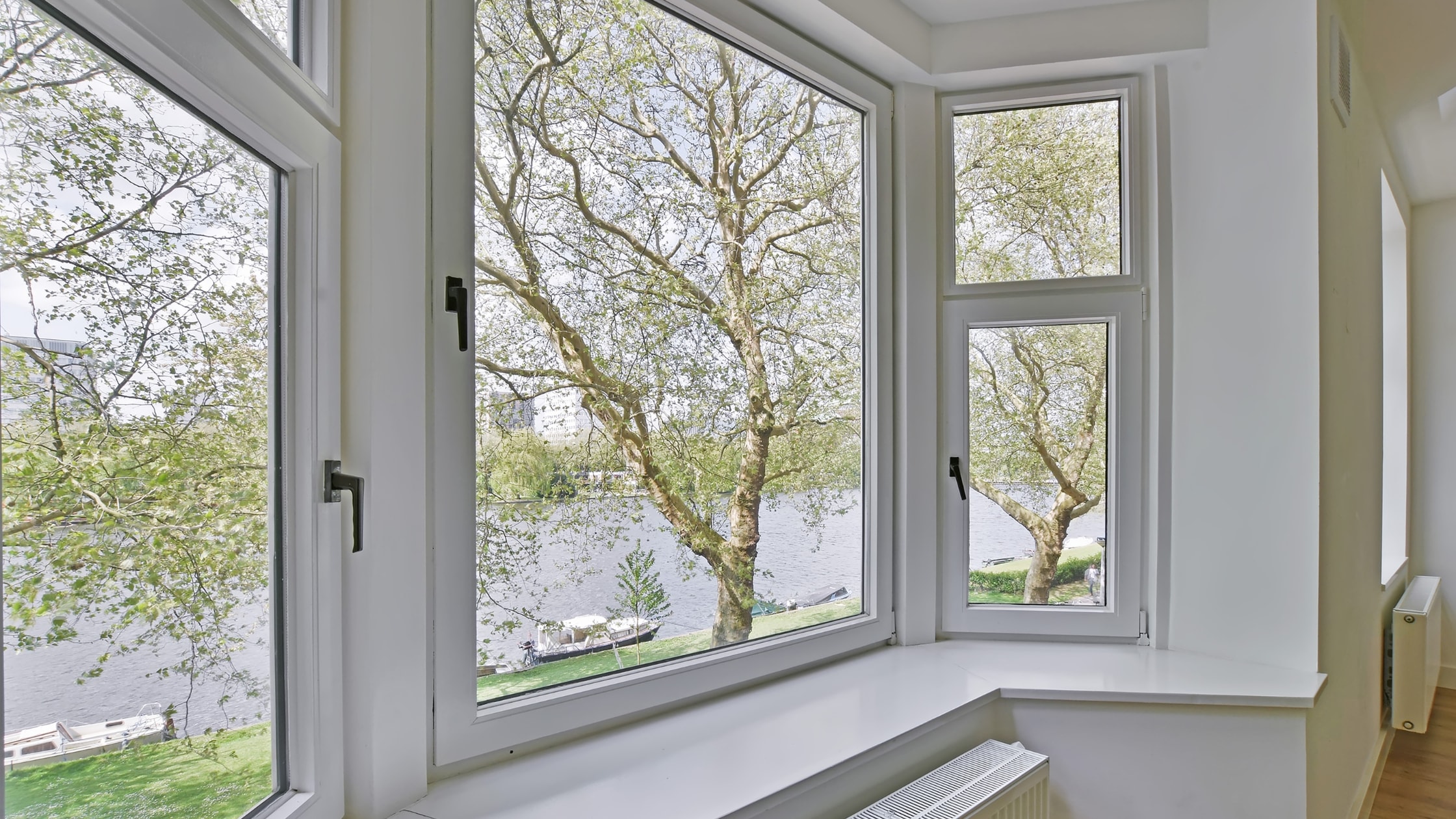
Both casement and awning windows are excellent choices for providing fresh air and improving airflow in a space. Casement windows, however, are particularly effective for maximum ventilation because they open fully outward, allowing for unobstructed airflow. This makes them ideal for areas where you want to bring in as much fresh air as possible, such as living rooms or kitchens. Awning windows, while still good for ventilation, are slightly more limited as they don’t open as wide.
Compatibility
When it comes to versatility, awning windows are often installed in combination with other window styles. They are commonly placed above large fixed windows to add a functional element or used in tight spaces like bathrooms or basements, where their smaller size and upward-opening design work well. Casement windows, on the other hand, are a great choice for standalone operating windows. They can fit in a variety of spaces and are popular in places where clear, unobstructed views and ease of operation are key.
Weather Resistance
Awning windows have an advantage in wet weather thanks to their top-hinged design. When open, the glass pane acts like a small awning, allowing air to flow in while keeping rain out. This makes them ideal for climates with frequent rainfall or for rooms where you’d like to keep windows open despite light rain. Casement windows, while durable, may not offer the same level of protection against rain when left open.
Choosing between casement and awning windows comes down to your specific needs for ventilation, compatibility, and weather resistance.
Materials and Style Choices for Casement and Awning Windows
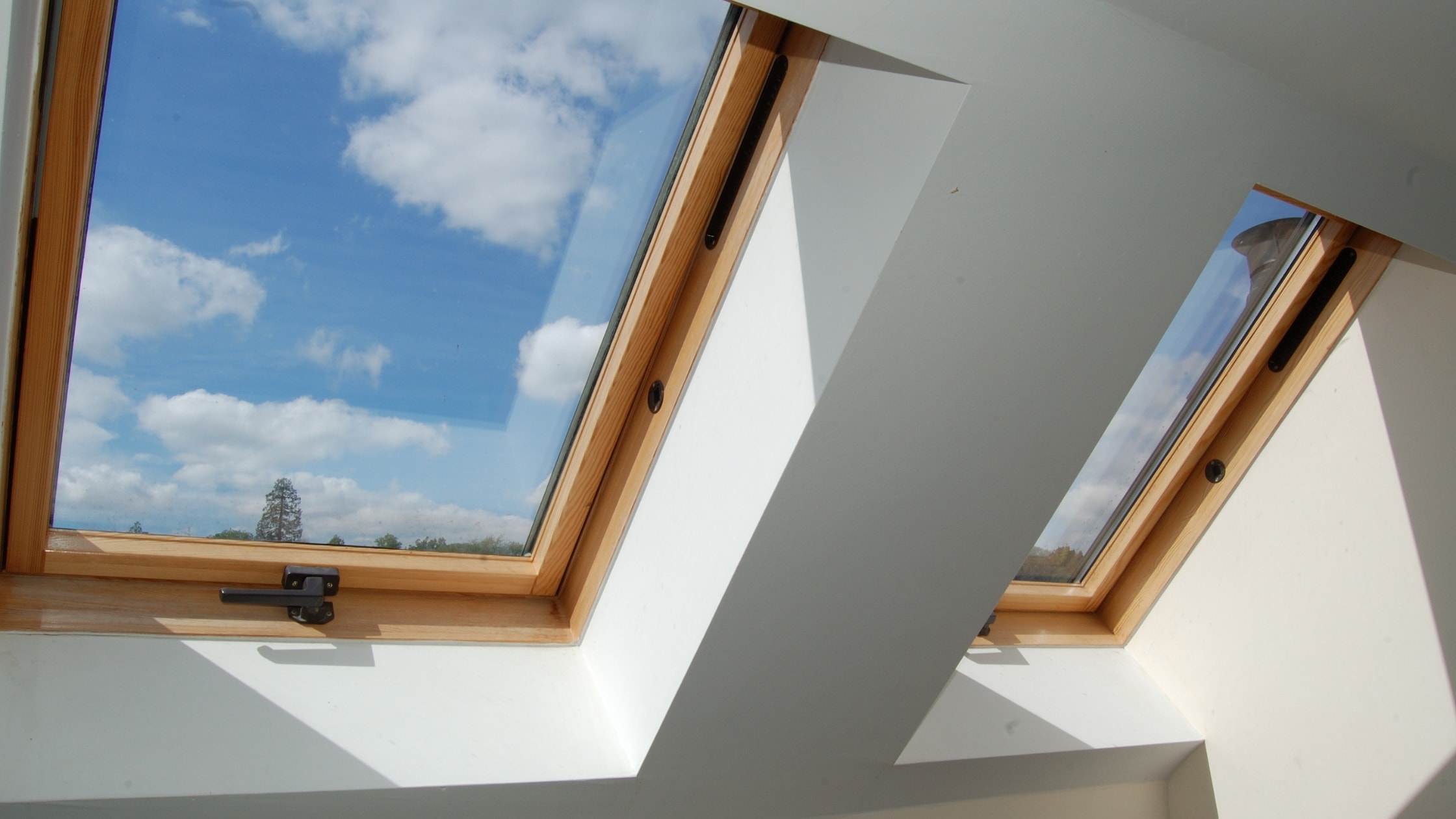
Choosing the right material for your window frames plays a crucial role in determining their durability, maintenance requirements, energy efficiency, and overall performance. Your choice of material can also significantly influence the style and aesthetic appeal of your home. Below are some of the most popular options, along with their key features and benefits.
Vinyl Window Frames
Vinyl frames are a popular, budget-friendly option known for being affordable and low-maintenance. They are highly durable, resistant to moisture, and do not require painting or sealing, making them ideal for homeowners looking for convenience. Vinyl is also energy-efficient, providing effective insulation to help maintain a comfortable indoor temperature.
Fiberglass Window Frames
Fiberglass frames are an excellent choice for those seeking strength and durability. Known for their ability to withstand extreme weather conditions, fiberglass is resistant to warping, cracking, and rotting. Additionally, fiberglass frames are energy-efficient, helping to reduce energy costs by minimizing heat transfer. With a sleek and modern appearance, fiberglass is a versatile material that works well in various home styles.
Aluminum Window Frames
Extruded aluminum frames are lightweight, strong, and offer a sleek, modern design, making them perfect for contemporary and industrial aesthetics. They are highly durable and resistant to corrosion, which is especially useful in areas with high humidity or salt exposure. Aluminum frames can also be customized with a range of colors and finishes to complement your home’s design.
Natural Wood Window Frames
For a timeless, traditional look, natural wood frames are unmatched. They provide a warm and classic aesthetic that enhances the charm of older homes or those with rustic or traditional decor. Natural wood can also be customized with modern finishes, stains, or paints to blend seamlessly into any design, from classic to contemporary. While wood requires regular maintenance to protect against moisture and insects, its beauty and natural insulation properties make it a standout choice.
No matter your style or performance needs, selecting the right window frame material can elevate your home’s functionality and design.
Did you know? Combining window treatments with well-chosen frames can enhance insulation and aesthetics. Curtains, blinds, or shades can elevate the functionality and look of your windows.
Key Features to Look For
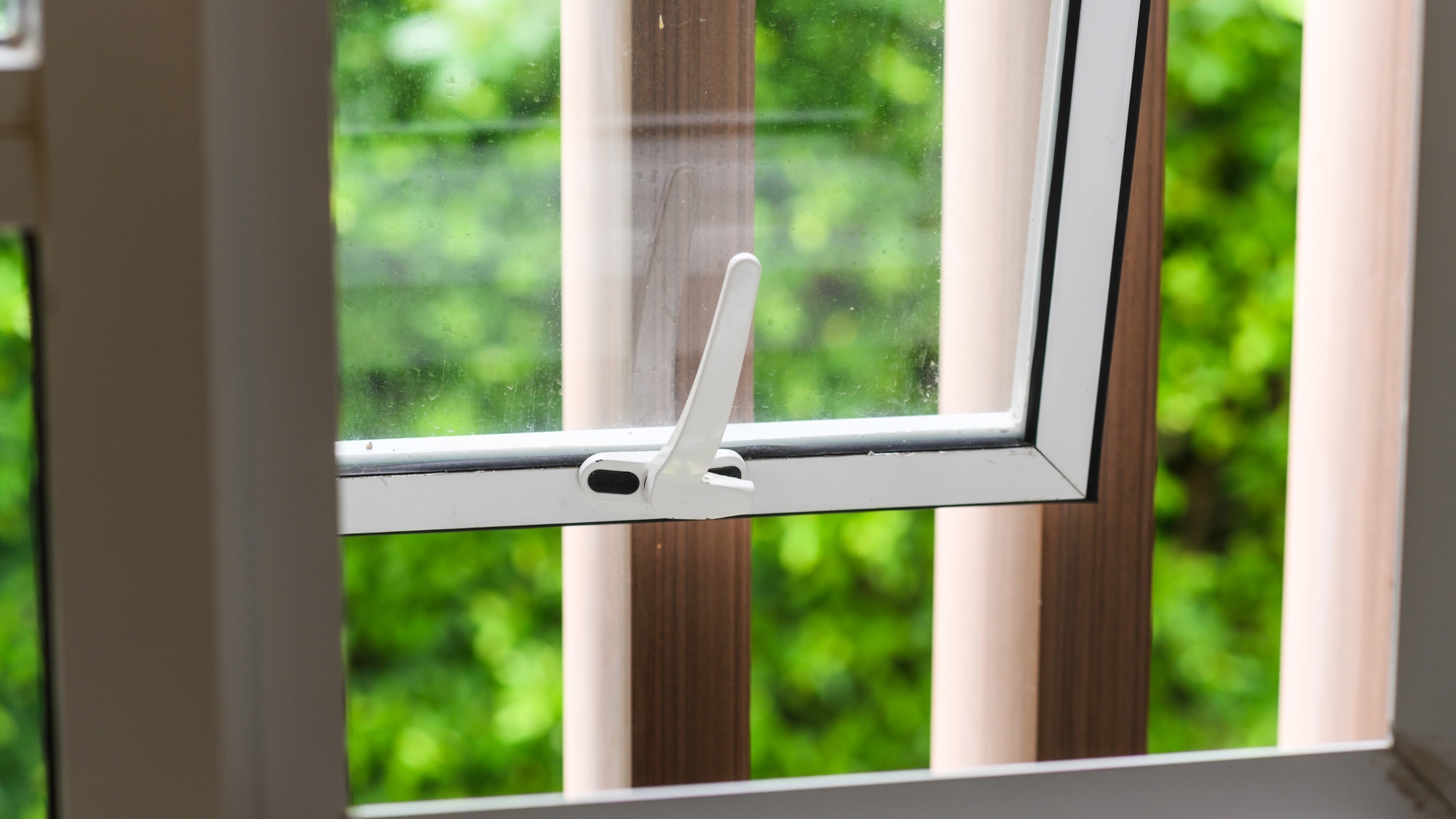
When choosing new windows or upgrading your current ones, it’s essential to focus on features that enhance comfort, functionality, and aesthetics. Here’s what to prioritize:
Energy Efficiency
Energy efficiency is a critical factor for modern windows. Look for windows with energy-efficient glass, such as double or triple glazing with low-E coatings, to help regulate indoor temperatures and reduce energy consumption. Features like gas-filled panes and insulated frames can further improve thermal performance, keeping your home comfortable year-round and lowering your utility bills.
Hardware Quality
Durable hardware ensures smooth operation and longevity. Opt for windows with stainless steel or corrosion-resistant mechanisms, which perform well even in harsh weather conditions. High-quality hardware, such as sturdy hinges, handles, and latches, will provide seamless functionality and reduce the risk of wear and tear over time.
Security
Home security starts with your windows. Choose windows equipped with multi-point locking systems to enhance protection against break-ins. Laminated glass or impact-resistant glass can also provide extra safety by being harder to break, giving you peace of mind for your family and belongings.
Screens
High-quality screens are essential for keeping insects and debris out while allowing fresh air to circulate. Consider screens that are easy to clean and resistant to tearing or specialized options like retractable or pollen-blocking screens for added functionality.
Customizable Options
Personalize your windows to complement your home’s style. Customization options such as trims, finishes, and colors allow you to match your windows to your interior or exterior design. Popular choices include classic white, modern black, or unique shades like bronze or brick red. You can also add decorative grilles or frosted glass for an elegant touch.
By focusing on these key features, you’ll find windows that not only enhance your home’s appearance but also offer long-term comfort, efficiency, and security.
Comparing Window Styles

When choosing between casement windows and other styles, consider your specific needs and home design.
French Casement Windows
Similar to traditional casement windows, french casement windows feature two sashes that swing outward, creating a grand and elegant look. They’re perfect for larger spaces that benefit from a clear view and maximum ventilation.
Bay Windows
While casement windows and awning windows are compact, a bay window offers more space with its outward-protruding design. It’s excellent for creating cozy seating nooks in living rooms or bedrooms.
For more information on comparing window styles, check out Types of Windows: Choosing the Best Style for Your Home.
Installation and Maintenance Tips
Proper Installation
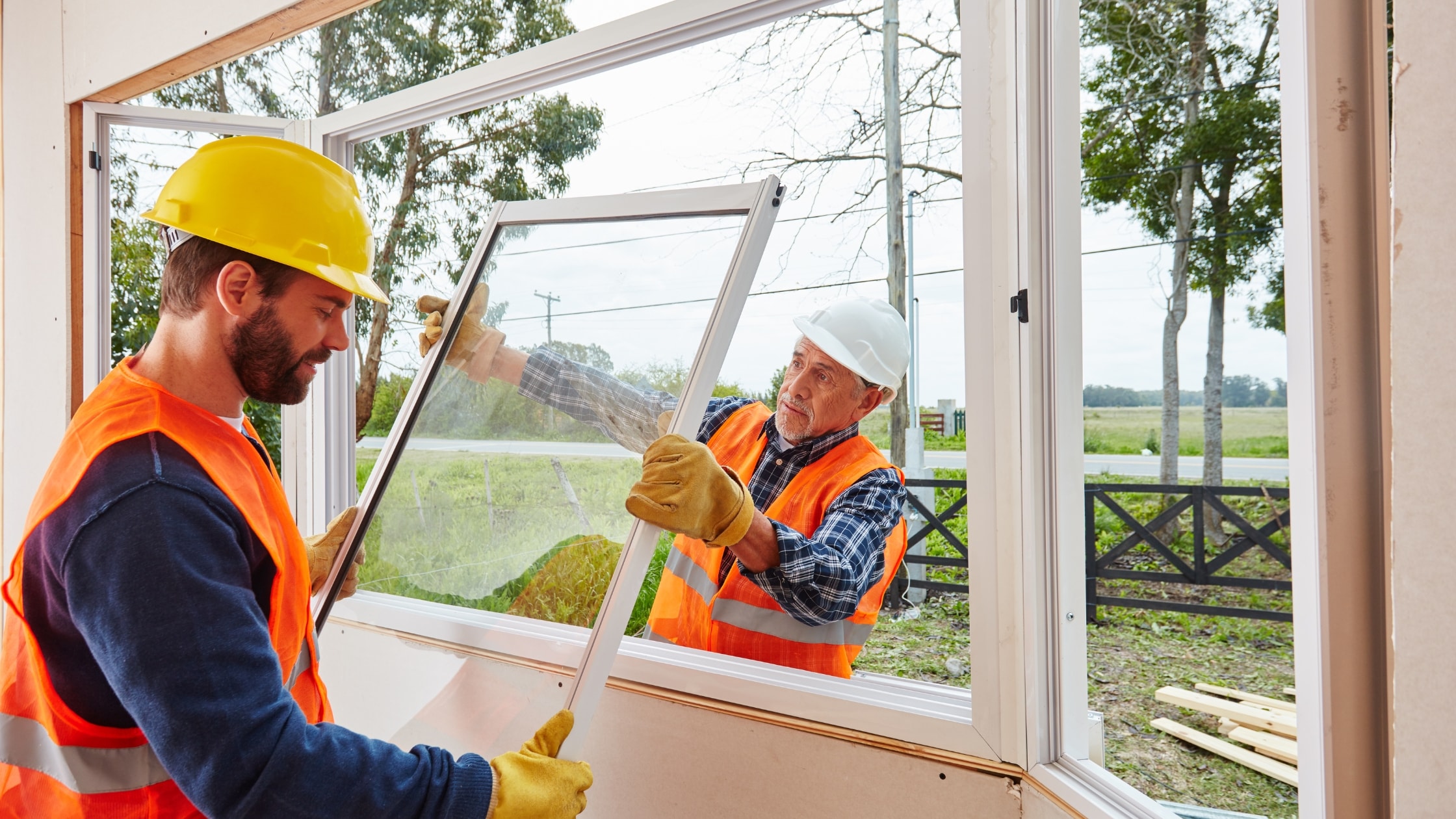
Proper installation is essential to ensure your windows perform efficiently, provide insulation, and last for many years. Poorly installed windows can lead to drafts, water leaks, and even structural damage over time. Always hire skilled professionals who can securely install your windows, taking into account any unique challenges posed by your home’s structure, such as uneven walls or older framing. A professional installation guarantees that your windows are sealed correctly, minimizing energy loss and maximizing durability.
Maintenance
Regular maintenance is key to keeping your windows in top condition. Clean the glass, frame, and hardware with appropriate cleaning solutions to prevent dirt buildup and maintain a clear view. Lubricate moving parts like the crank, tracks, and hinges to ensure smooth operation and prevent wear and tear. Inspect for signs of damage, such as chipped paint, cracked caulking, or loose seals, and address these issues promptly to avoid long-term problems.
Protection
If you live in a region prone to extreme heat, heavy rain, or other severe weather conditions, investing in protective features can significantly extend the lifespan of your windows. Consider UV-blocking glass to reduce heat transfer and prevent sun damage to furniture and flooring. Weatherproof materials, such as vinyl or fiberglass frames, offer excellent resistance to moisture and temperature changes, reducing the risk of warping or rotting. Installing storm-proof windows or adding impact-resistant film can provide additional security during hurricanes or high winds.
By focusing on proper installation, regular maintenance, and weather protection, you can ensure your windows remain functional, efficient, and visually appealing for years.
For an in-depth guide to installing your windows, visit The Ultimate Guide to Window Installation.
FAQs About Casement and Awning Windows
1. What makes casement windows energy-efficient?
Their tight seals prevent air leaks, helping maintain indoor temperature while reducing energy costs.
2. Are awning windows suitable for small rooms?
Yes, their compact design allows for ventilation in spaces where regular windows might not fit.
3. Can these windows be customized for my style?
Both types offer many finishes, including natural wood, vinyl, and extruded aluminum, to match your decor.
4. How do I clean and maintain casement or awning windows?
Clean the glass and frame with mild soap. Regularly oil the hinges and inspect them for wear.
Functionality Meets Style
Casement windows and awning windows bring together functionality and elegance. From providing fresh air to enhancing energy efficiency, these windows are reliable, stylish, and durable.
Explore how these great options compare to other styles in Sliding Windows vs. Double-Hung Windows. Discover the perfect fit for your home improvement projects today!