
Choosing the right windows for your home is a big decision. They influence not just how your home looks but also its comfort, ventilation, and energy efficiency. If you’re stuck deciding between double-hung windows and single-hung windows, you’re in the right place.
This guide breaks down the differences between these two classic styles. From aesthetics to features, you’ll discover which option is the perfect match for your home.
What Is a Double-Hung Window?
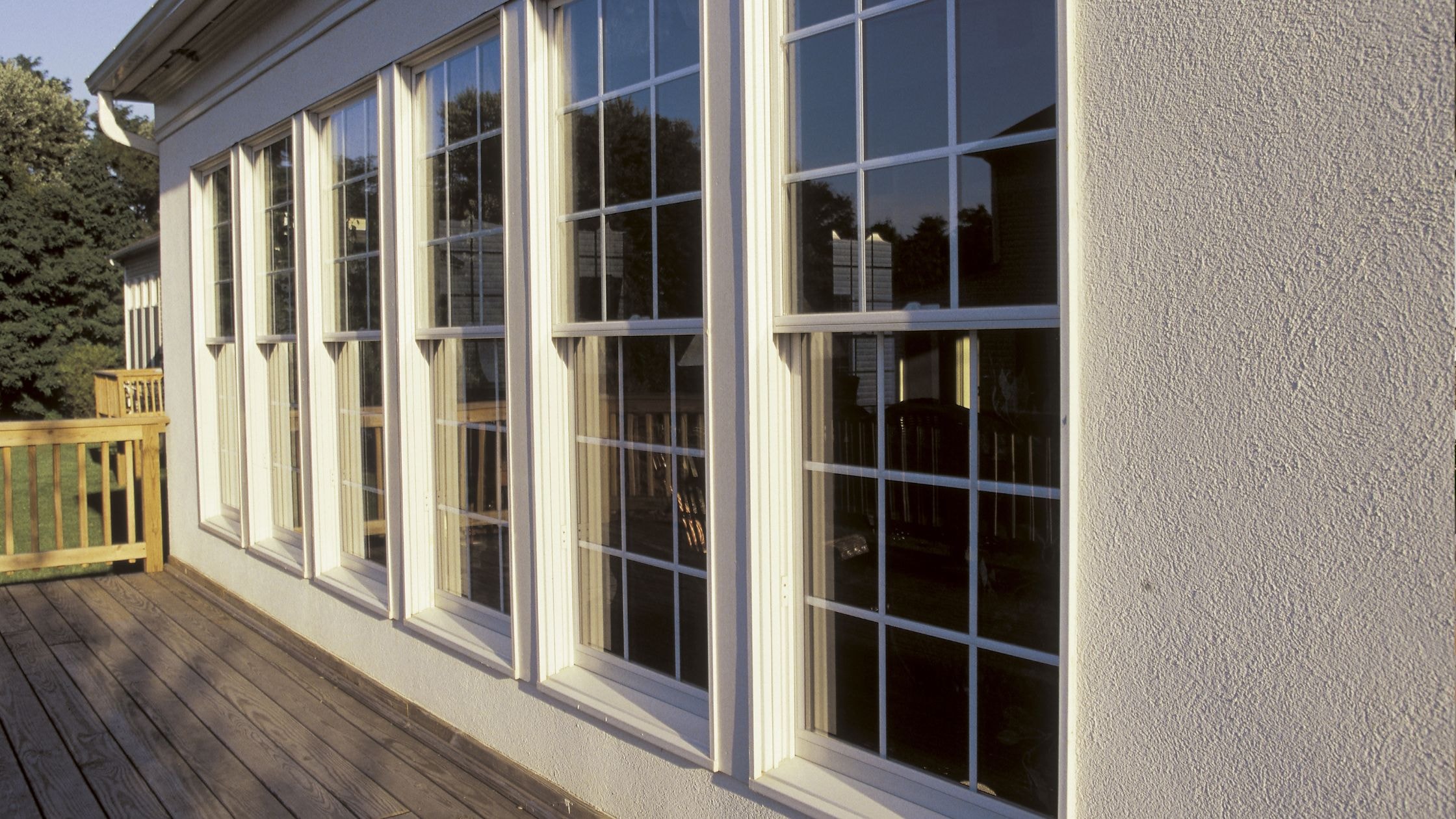
A double-hung window is a timeless and versatile choice. It has two sashes that move vertically, allowing you to open both the top sash and bottom sash. This design provides better control over airflow and offers more flexibility than its single-hung counterpart.
Key Features of Double-Hung Windows:
- Versatility – Compatible with styles like Victorian, modern, and colonial
- Ventilation Control – Keeps your home filled with fresh air by opening either or both sashes as needed
- Easy Cleaning – Most models have tilt-in sashes, making cleaning the glass, both inside and out, a breeze
Quick tip: Double-hung windows often come with grids, adding a classic look while maintaining functionality.
What Are Single-Hung Windows?
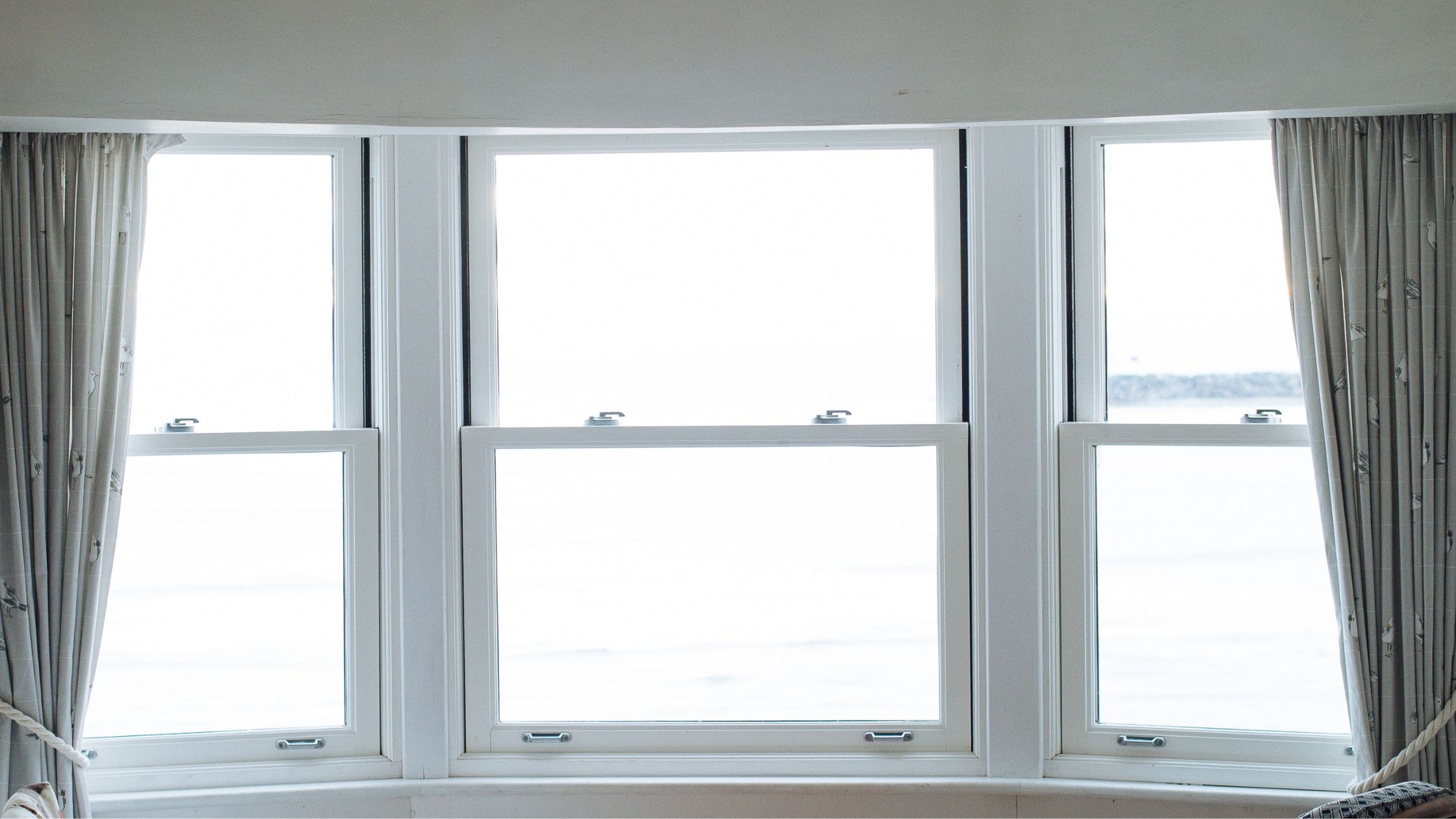
Single-hung windows are a traditional and cost-effective choice. They feature two sashes, but only the bottom sash is operable, meaning it can move up and down. The top sash remains fixed, making this type of window simple, classic, and efficient. Despite their simpler operation, single-hung windows maintain the same classic aesthetic as double-hung windows.
Advantages of Single-Hung Windows:
- Cost-Effective – More affordable than double-hung due to fewer moving parts
- Energy Efficient – Fewer operable parts mean fewer potential air leaks
- Low Maintenance – With only one moving sash, there’s less that can go wrong
- Classic Appearance – Maintains traditional window aesthetics
Did you know? Single-hung windows are often the go-to choice for budget-conscious homeowners who still want the classic look of traditional windows.
Double-Hung vs. Single-Hung Windows: Key Differences
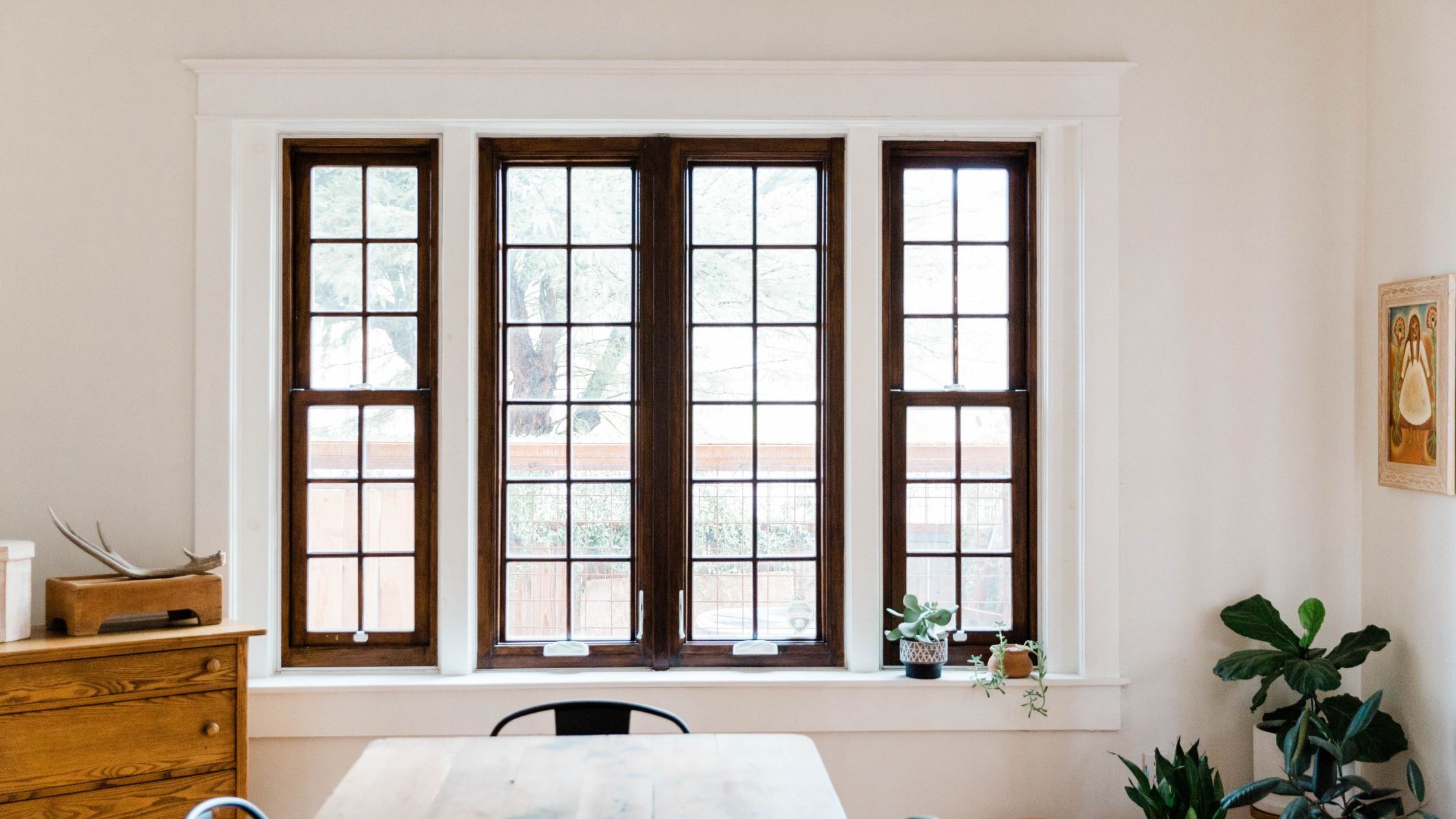
The biggest difference lies in their operation. Double-hung windows have two operable sashes that can both move up and down, while single-hung windows have only one moveable bottom sash with a fixed top sash.
Operation and Movement
Double-hung windows feature two sashes that both move vertically, allowing you to open the top, bottom, or both sections for customized airflow. Single-hung windows have only the bottom sash that moves up and down, with the top sash remaining stationary.
Fresh Air Options
Double-hung windows excel at ventilation control. By opening both top and bottom sashes, you create natural air circulation – warm air exits through the top while cool air enters from below. Single-hung windows offer more limited ventilation, providing airflow only through the bottom half of the window.
Maintenance and Easy Cleaning
Double-hung windows often feature tilt-in sashes, making both sashes easy to clean from inside your home – a significant advantage for upper floors. Single-hung windows typically only have a tilt-in bottom sash, requiring exterior access to clean the fixed upper sash.
Energy Efficiency
Single-hung windows may have a slight edge in energy efficiency due to fewer moving parts and potential air leakage points. Double-hung windows have more seams where air could escape, though quality construction and proper installation minimize this difference.
Cost Considerations
Single-hung windows are generally 10-20% less expensive than double-hung windows due to their simpler mechanism and single moving sash. Double-hung windows cost more because of their dual operating sashes and more complex balance systems.
Installation Complexity
Single-hung windows are easier to install due to their simpler design, potentially reducing installation costs. Double-hung windows require more precise installation to ensure both sashes operate smoothly.
Aesthetic Appeal
Both window types offer similar aesthetic appeal and suit traditional architectural styles. The visual difference is minimal from the exterior, making the choice primarily about function and budget rather than appearance.
Energy Efficiency & Durability
Both double-hung and single-hung windows can be energy efficient, but their performance depends on quality construction and additional features.
Key Features for Energy Performance:
- Essential for reducing heat transfer and improving energy efficiency
- Standard in most modern windows
- Significantly reduces energy costs
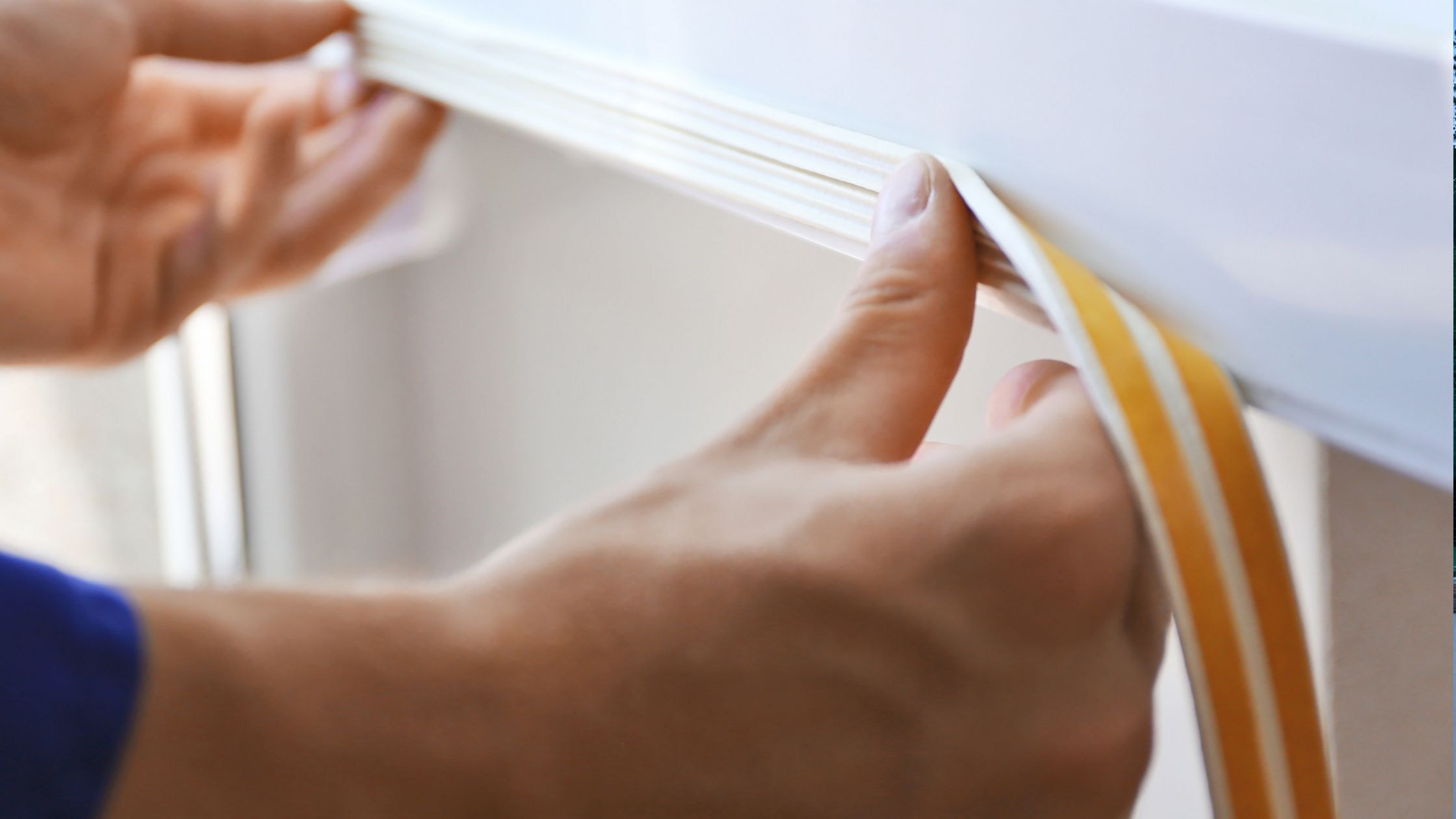
Weather Stripping
- Standard in most ENERGY STAR®-certified windows
- Prevents air leaks and drafts
- Critical for maintaining indoor temperature control
Material Choices
- Fiberglass or Vinyl Frames
- Superior durability and longevity
- Excellent thermal performance
- Low maintenance requirements
- Superior durability and longevity
- Excellent thermal performance
- Low maintenance requirements
- Wood Frames
- Premium aesthetic appeal
- Natural insulating properties
- Requires regular maintenance but offers timeless beauty
- Premium aesthetic appeal
- Natural insulating properties
- Requires regular maintenance but offers timeless beauty
Did you know? While double-hung windows have more potential air leakage points, modern manufacturing techniques and quality weather stripping have largely eliminated significant efficiency differences between the two styles.
Best Use Cases for Each Type
Ideal Spaces for Double-Hung Windows
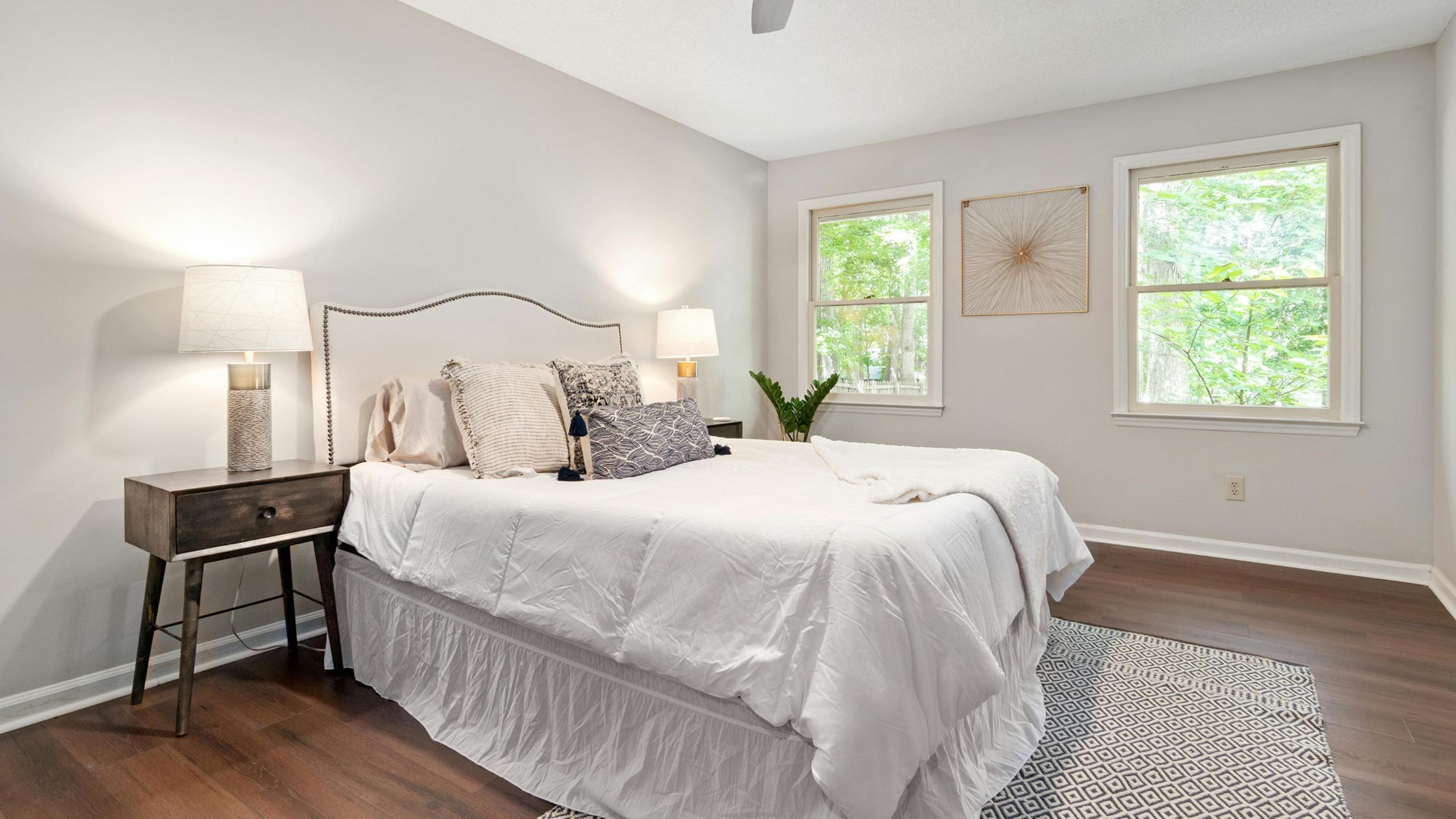
Upper Floor Bedrooms
- Easy cleaning from inside is crucial for safety
- Top sash ventilation maintains privacy
- Better air circulation for sleeping comfort
Historic Homes
- Maintains architectural authenticity
- Required by some historic preservation guidelines
- Offers period-appropriate functionality
Rooms Needing Maximum Ventilation
- Kitchens where heat rises
- Bathrooms requiring moisture control
- Spaces where cross-ventilation is important
Ideal Spaces for Single-Hung Windows
Budget-Conscious Projects
- New construction where cost savings add up
- Large-scale window replacement projects
- Rental properties or house flipping
First-Floor Applications
- Where exterior cleaning access is easy
- Rooms with less demanding ventilation needs
- Spaces where simplicity is preferred
Standard-Sized Openings
- Common window replacements
- Areas where basic functionality suffices
- Rooms used less frequently
Maintenance and Lifespan
Over time, all windows require some upkeep to maintain their performance and durability.
Double-Hung Windows
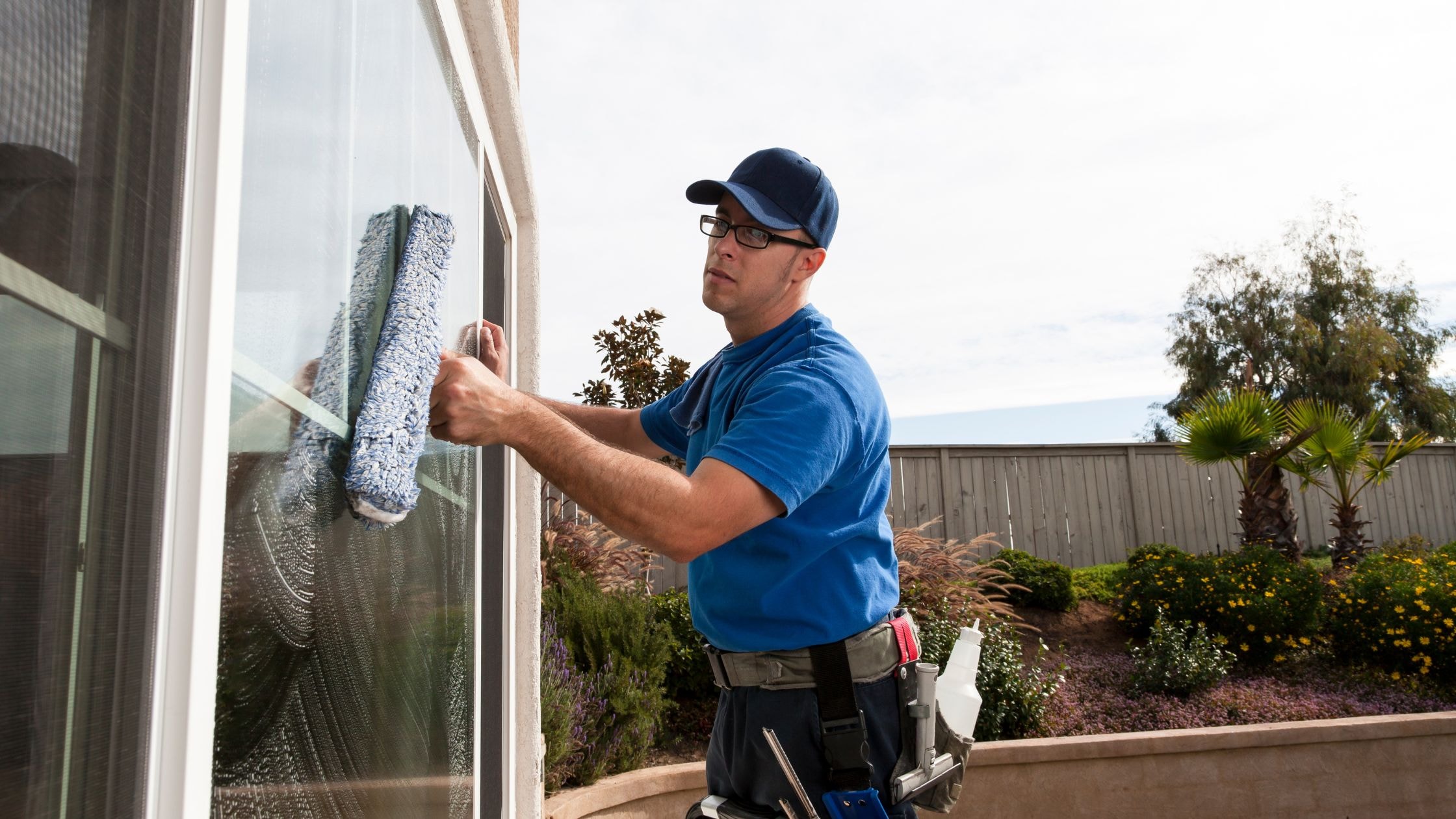
Cleaning Advantages
- Both sashes tilt in for easy cleaning
- Safe maintenance from inside your home
- No ladder required for upper floors
Regular Maintenance
- Lubricate both sets of balances annually
- Check weatherstripping on both sashes
- Inspect and adjust both sash locks
- More components to maintain
Single-Hung Windows
Simplified Maintenance
- Fewer moving parts to service
- Only one sash mechanism to maintain
- Lower long-term maintenance costs
Cleaning Considerations
- Bottom sash tilts for easy cleaning
- Upper sash requires exterior access
- May need professional cleaning for upper floors
Enhancing Window Lifespan
Key Investment Factors
- Choose quality materials and construction
- Opt for energy-efficient glass coatings
- Select windows with strong warranties
Long-term Benefits
- Reduced repair and replacement costs
- Better energy performance over time
- Maintained property value through quality windows
Cost Considerations

Double-Hung Windows
Double-hung windows typically cost 10-20% more than single-hung windows due to their two-sash design, which allows both sashes to operate independently. The cost increases further if you opt for additional features such as high-quality grids, specialized coatings for improved energy efficiency, or premium materials.
Despite the higher price point, their enhanced functionality and easier maintenance make them a worthwhile investment for many homeowners, particularly in multi-story homes where cleaning accessibility is important.
Single-Hung Windows
Single-hung windows offer excellent value, making them an affordable option for homeowners, especially in new construction projects or when replacing multiple windows. Their simpler design with one fixed and one operable sash reduces manufacturing costs while still providing adequate ventilation and maintaining classic window aesthetics.
These windows are particularly cost-effective for large projects where the savings per window can add up significantly, making them a practical choice for budget-conscious homeowners who don’t want to compromise on appearance.
Quick tip: When comparing costs, consider long-term factors like maintenance requirements and energy efficiency. Sometimes paying more upfront for double-hung windows can save money over time through easier maintenance and better functionality.
Frequently Asked Questions
Are single-hung windows as energy-efficient as double-hung windows?
Single-hung windows can be slightly more energy-efficient due to having fewer moving parts and potential air leakage points. However, advancements in modern manufacturing techniques and quality installation minimize this difference. Double hung windows open both the bottom and top sashes, offering improved ventilation which can indirectly support energy efficiency by reducing reliance on HVAC systems.
Which window style is easier to clean?
Double-hung windows are the clear winner when it comes to ease of cleaning. Both window sashes tilt inward, allowing you to safely clean both the interior and exterior surfaces from inside your home. On the other hand, single-hung windows only allow the bottom sash to tilt inward, requiring exterior access for cleaning the upper sash.
Do single-hung windows cost significantly less than double-hung?
Yes, single-hung windows typically cost about 10-20% less than double-hung windows due to their simpler design and fewer moving parts. However, the added ventilation and convenience of double hung windows, such as their ability to open both sashes, may justify the additional investment, especially in rooms where natural light and airflow are valued.
Which window style is better for historic homes?
Double-hung windows are often the preferred choice for historic homes because they maintain architectural authenticity and often meet preservation guidelines. They are also available in timeless finishes like Hartford green, which enhances traditional exteriors. However, single-hung windows can offer a similar aesthetic while being more budget-friendly.
How long do these window styles typically last?
Both single-hung and double-hung windows can last 20-40 years with proper maintenance. The lifespan depends more on the quality of materials and professional installation than the operating style. Regular upkeep, like ensuring the window sashes operate smoothly and cleaning the exterior surfaces, will help maximize their longevity.
Can I mix single-hung and double-hung windows in my home?
Absolutely! Many homeowners strategically combine the two styles. For example, double-hung windows might be used in frequently visited rooms or on upper floors, where natural light and easy cleaning are priorities. Single-hung windows, being more affordable, are often placed in less critical areas to reduce overall costs while maintaining functionality and style.
Final Thoughts: Which Window Style is Right for You?
Choosing between double-hung and single-hung windows ultimately depends on your priorities, budget, and specific needs:
Choose double-hung windows if you:
- Want maximum ventilation control
- Need easy cleaning access on upper floors
- Value the convenience of dual-operating sashes
- Have the budget for the additional investment
Choose single-hung windows if you:
- Are working with a tighter budget
- Have mostly first-floor installations
- Prefer simpler mechanisms with fewer parts to maintain
- Want the classic look without the premium price
Both styles offer the timeless appearance of traditional windows and can be energy-efficient when properly installed. Consider your specific needs, budget constraints, and long-term maintenance preferences when making your decision.
If you’re debating between either option and need more guidance, this comparison of sliding and double-hung windows provides additional insights.
To get the most out of your investment, pair either choice with professional installation to ensure optimal performance and longevity. Check out this ultimate guide to window installation for tips.