

Choosing the right windows for your home involves more than just aesthetics. The decision between single-hung and double-hung windows can significantly impact your home’s ventilation, energy efficiency, maintenance requirements, and overall functionality. This comprehensive guide will help you understand the key differences between these two popular window styles so you can make an informed decision that suits your needs and budget.
Understanding the Basics: What Are Single-Hung and Double-Hung Windows?
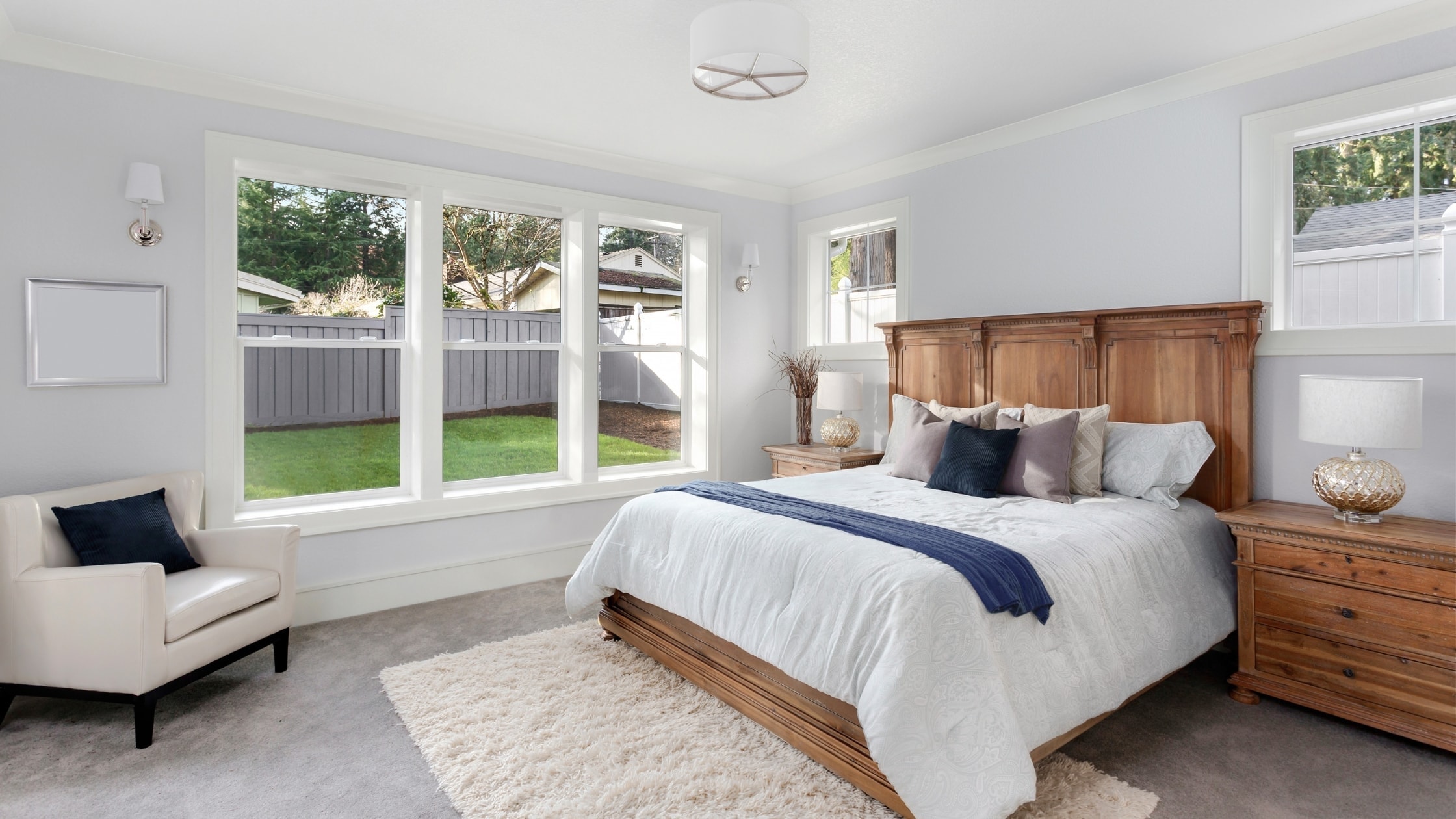
Before diving into comparisons, it’s important to understand what distinguishes these two window types. Both single-hung windows and double-hung windows feature two sashes positioned one above the other within a window frame. The fundamental difference lies in how these sashes operate.
Single-hung windows have a fixed top sash that remains stationary while the lower window sash slides vertically upward to open. This simple mechanism has made single sash windows a staple in residential construction for decades. The straightforward design means fewer moving parts, which often translates to lower initial costs and less maintenance over time. The fixed sash at the top provides a permanent seal that contributes to the window’s stability.
Quick tip: Single-hung windows typically cost 10-20% less than double-hung windows, making them an economical choice for budget-conscious homeowners.
Double-hung windows offer greater flexibility because both the upper and lower sashes can move independently. This dual-operation feature allows homeowners to open either the top sash, bottom sash, or both simultaneously. Many modern double-hung windows also include a tilt-in feature that allows each sash to pivot inward, making exterior cleaning remarkably easy from inside your home.
Comparing Ventilation Capabilities
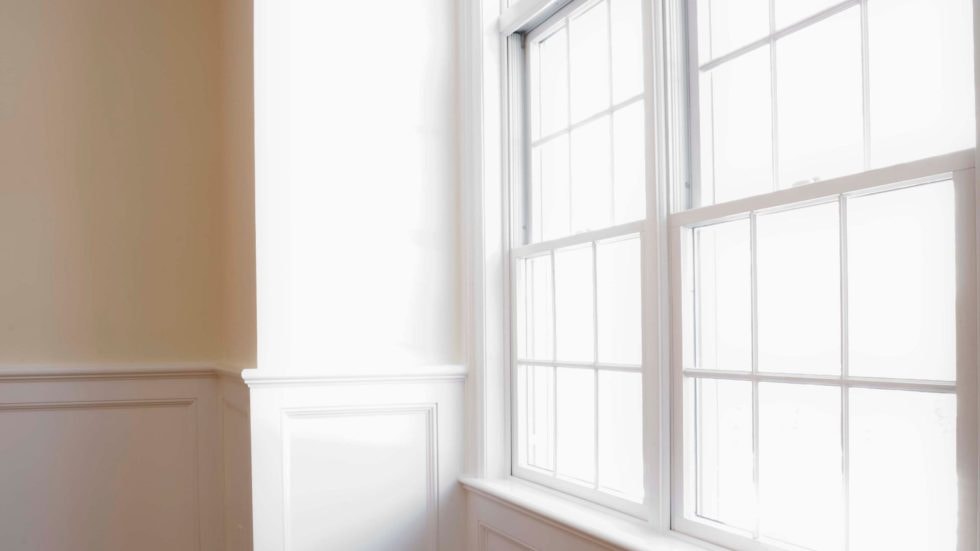
When it comes to airflow and ventilation, double sash windows hold a distinct advantage. Because both movable sashes operate independently, you can create more effective air circulation patterns throughout your rooms. The operable top sash allows hot air or warm air to escape near the ceiling while opening the bottom sash invites cool air flows to enter at floor level. This natural convection process can improve indoor comfort without relying solely on air conditioning.
Most double hung windows provide this superior ventilation control, making them ideal for rooms where airflow management is critical. Opening both sashes simultaneously creates a chimney effect that efficiently removes stale air while drawing in fresh outdoor air.
Did you know? For maximum ventilation efficiency, casement windows actually outperform both single-hung and double-hung options because they can catch and direct breezes into your home.
Single-hung windows provide adequate ventilation through the operable lower sash, but they don’t offer the same level of control over airflow direction. For rooms where ventilation is a priority—such as kitchen windows, bathrooms, or spaces with poor air circulation—double-hung windows typically perform better.
However, if you’re installing windows in locations where you primarily need natural light rather than extensive cool air flow, single-hung windows can certainly meet your ventilation needs at a lower price point.
Complete Guide: Energy Efficiency Considerations
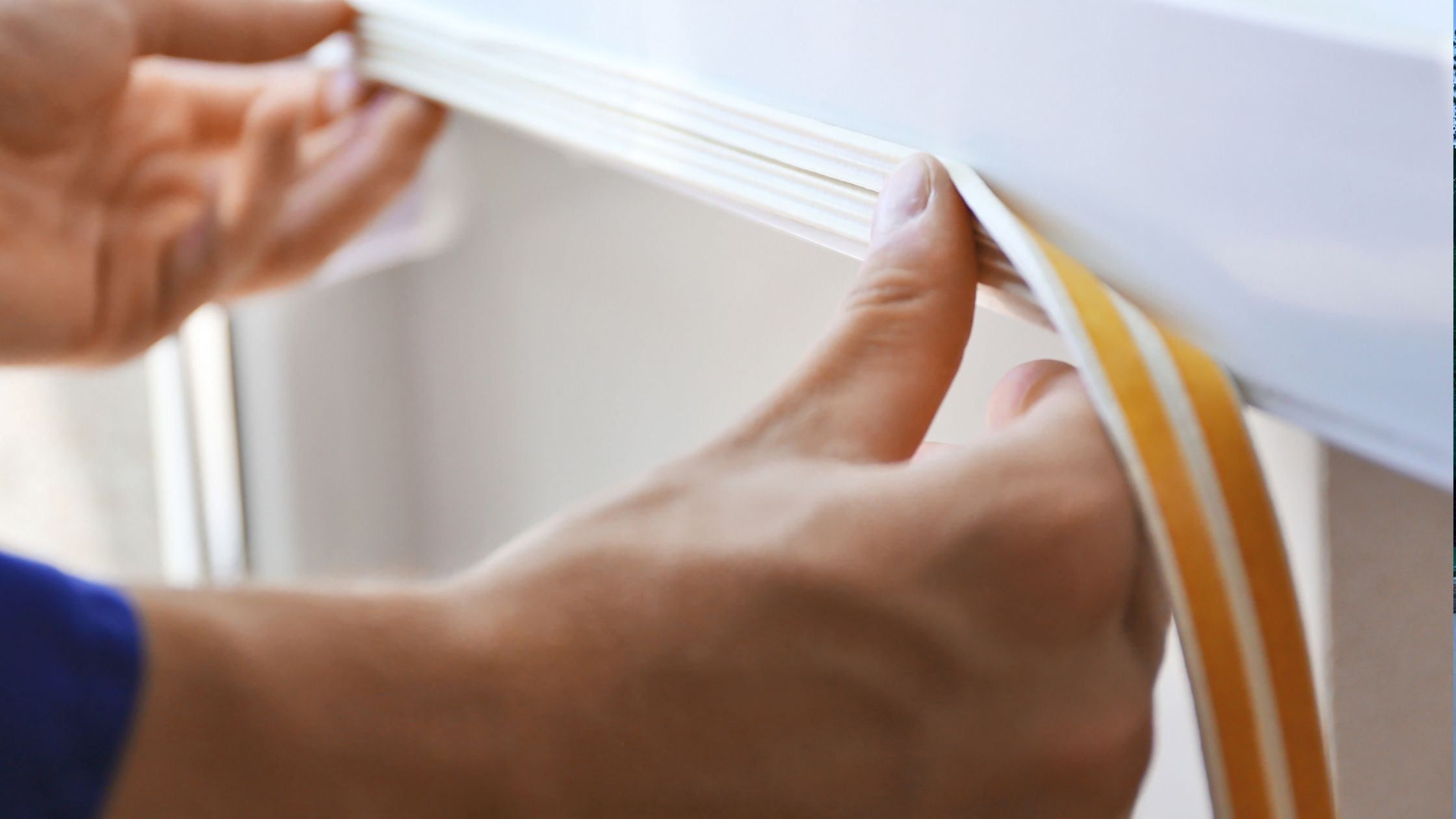
The energy efficiency debate between single-hung and double-hung windows isn’t as straightforward as it might seem. While single-hung windows have fewer moving parts and potentially fewer areas for air leakage, modern manufacturing techniques have largely minimized these differences.
Today’s energy-efficient windows—whether single-hung or double-hung—feature advanced technologies like low-E glass coatings, argon gas fills, and multi-pane construction. These features have a far greater impact on thermal performance than whether the window is single-hung or double-hung.
That said, single-hung windows may have a slight edge in energy efficiency simply because their fixed upper sash creates one less potential point of air infiltration. The stationary top sash in single-hung windows can form a more permanent seal against the frame, whereas double-hung windows require weather stripping on both sashes.
For homeowners prioritizing maximum energy savings, look for windows with high energy efficiency ratings regardless of style. Features like insulated frames, quality weather stripping, and proper installation matter more than the operational differences between single-hung and double-hung designs.
Quick tip: The NFRC (National Fenestration Rating Council) label on each window provides standardized energy performance ratings that make it easy to compare different models side-by-side.
Maintenance and Cleaning Requirements

Maintenance considerations often tip the scales when homeowners are deciding between these window styles. Double hung windows tilt in to revolutionize window cleaning by allowing you to access both the interior and exterior glass surfaces from inside your home. When the sashes tilt inward, you can thoroughly clean the window glass without the need for ladders or exterior access. This feature is particularly valuable for second-story windows or homes where exterior access is challenging or dangerous.
Single-hung windows present more cleaning challenges because their fixed upper sash cannot tilt inward. Cleaning the exterior of the upper sash typically requires a ladder, extension tools, or professional window cleaning services. For single-story homes, this may not pose a significant problem, but multi-story homes can make this task considerably more difficult and potentially hazardous.
Beyond cleaning, both window types require periodic maintenance of moving parts, weather stripping, and locks. However, single-hung windows generally have fewer components that can wear out or malfunction over time. With only one operable sash, there are fewer tracks to maintain, fewer balance systems to adjust, and fewer potential points of failure.
Window style is only one factor that affects service life. How Long Do Windows Last? Signs It’s Time to Replace Them explains how materials, installation quality, maintenance, and visible damage can help determine when replacement is necessary.
Homeowners who value convenience and safety in maintenance tasks will likely appreciate the tilt-in feature that modern double-hung windows provide, even if it comes with a higher upfront investment.
Cost Comparison: Initial Investment and Long-Term Value
Budget considerations play a crucial role in window selection. Single-hung windows consistently cost less than double-hung windows, typically ranging from 10% to 30% lower in price. This cost difference stems from their simpler construction, fewer moving parts, and less complex installation requirements.
For large-scale projects involving multiple window replacements, these savings can add up quickly. If you’re replacing ten windows throughout your home, choosing single-hung over double-hung could potentially save you several thousand dollars on the overall project cost.
However, the initial price difference doesn’t tell the whole story. Double-hung windows may offer better long-term value through reduced maintenance costs, easier cleaning, improved ventilation control, and potentially higher resale value. Homebuyers often view tilt-in double-hung windows as a premium feature that adds to a home’s appeal.
When budgeting for replacement windows, consider not just the purchase price but also installation costs, expected lifespan, maintenance requirements, and energy savings. A slightly more expensive double-hung window that reduces your heating and cooling bills may provide stronger long-term value, especially when built with a lifetime vinyl frame and serviceable glass and hardware components.
Style, Aesthetics, and Home Design
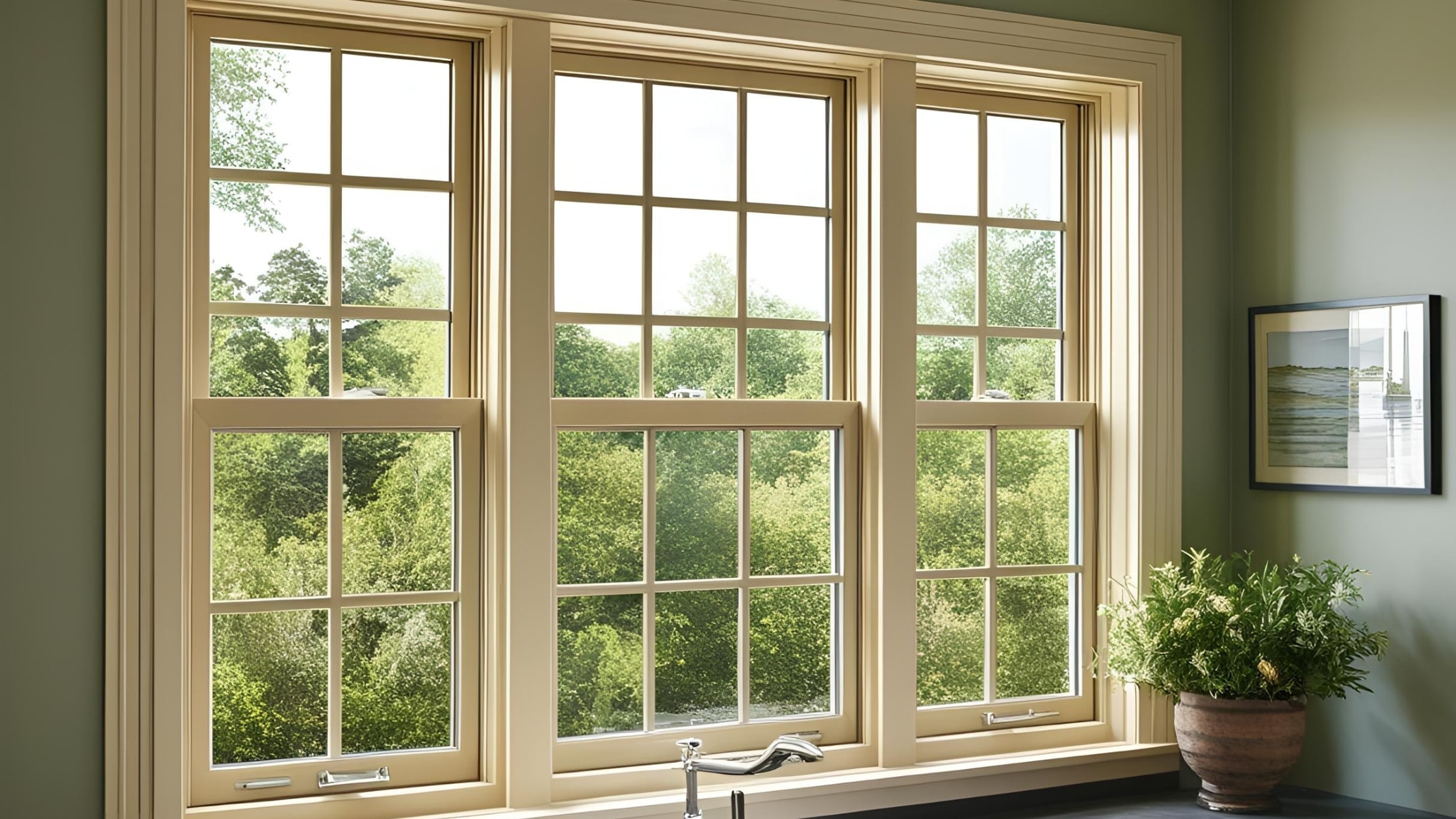
From a curb appeal perspective, single-hung windows and double-hung windows can look virtually identical from the exterior. Both styles fit seamlessly into traditional home styles, contemporary, and transitional architectural designs. The choice between them typically won’t be dictated by aesthetic considerations alone. Whether you’re complementing classic colonial architecture or updating a modern farmhouse, both window types blend beautifully with existing design elements. For homes featuring bay windows or other specialty configurations, manufacturers offer both single-hung and double-hung options that coordinate perfectly.
However, interior functionality does affect how these windows integrate into your living spaces. Rooms where you frequently open windows for fresh air and natural light may benefit from the enhanced ventilation options of double-hung windows. Conversely, rooms where windows serve primarily as light sources might be perfectly served by single-hung alternatives.
Consider the specific needs of each room when making your selection. Bedrooms, living areas, and home offices might benefit from the superior airflow control of double-hung windows, while utility rooms, garages, or storage areas could function perfectly well with more economical single-hung options.
Did you know? Many historic preservation guidelines actually prefer double-hung windows because their ability to open from the top matches the original functionality of centuries-old window designs.
Installation Process and Professional Considerations
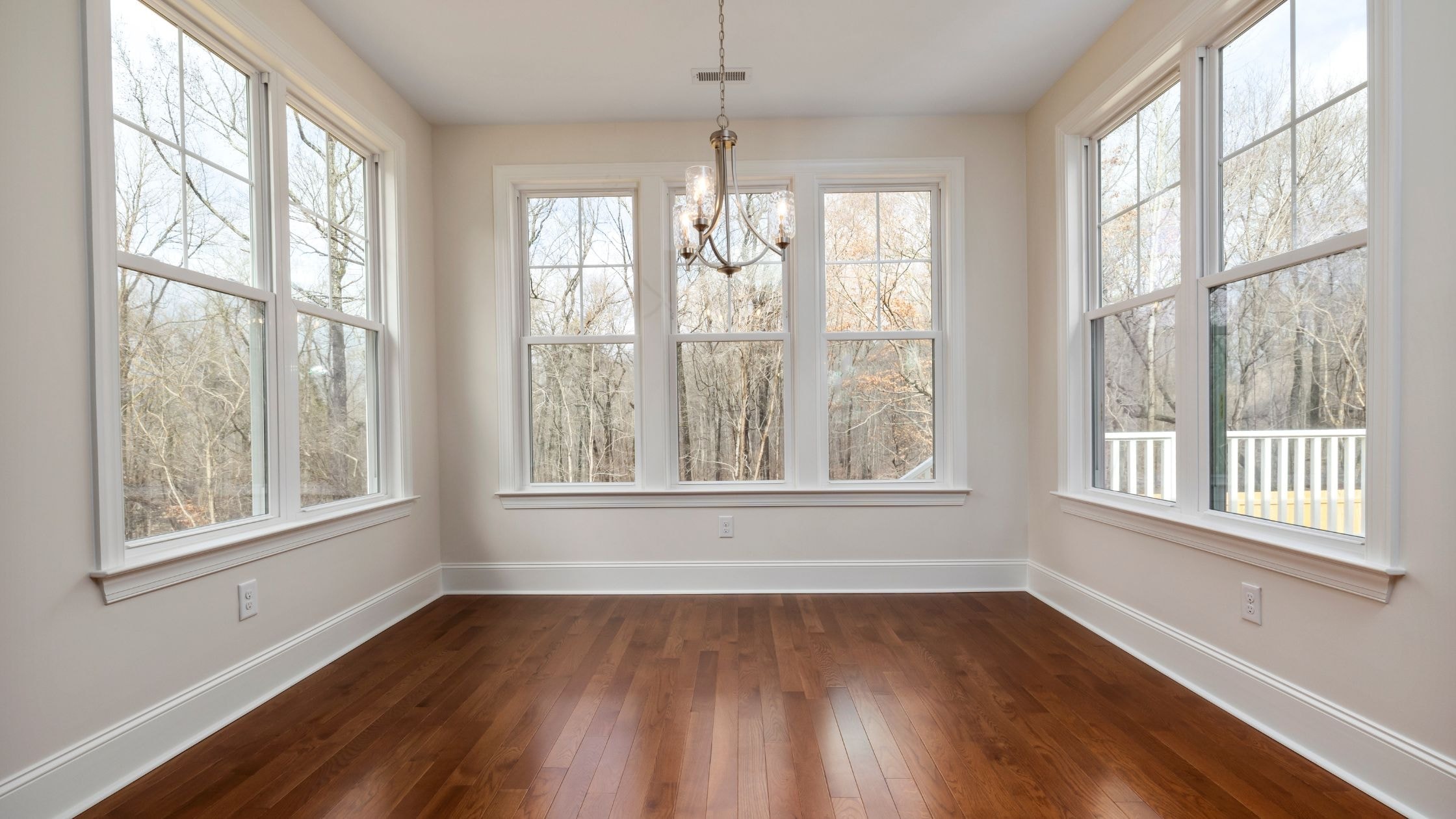
Both single-hung windows and double-hung windows require professional installation to ensure proper performance, weather sealing, and warranty coverage. While the installation process is similar for both types, double-hung windows may require slightly more time and expertise due to their more complex operating mechanisms.
The installation of new windows involves removing old frames, preparing the rough opening, ensuring proper insulation and weather sealing, and carefully fitting and securing the new window unit. For this reason, many homeowners choose to invest in professional installation rather than attempting a DIY approach that could compromise the window’s performance or void manufacturer warranties. The Department of Energy provides comprehensive guidance on proper window installation techniques and energy-efficient replacement strategies.
The installation method may also depend on the condition of the existing frame and surrounding materials. Replacement vs. New Construction Windows: What’s the Difference? explains when an insert-style replacement may work and when a full-frame installation is the better option.
When comparing quotes from window contractors, make sure you’re evaluating comparable products and installation quality. The lowest bid isn’t always the best value if it involves inferior materials or shortcuts in the installation process.
Frequently Asked Questions
What is the main difference between single-hung and double-hung windows?
The primary difference is that single-hung windows have only one operable sash (the bottom one moves up and down, while the top remains fixed), whereas double-hung windows allow both the upper and lower sashes to move independently. This gives double-hung windows more ventilation options and often includes tilt-in functionality for easier cleaning.
Are single-hung windows more energy efficient than double-hung windows?
Single-hung windows may have a slight advantage in energy efficiency because they have fewer moving parts and potential air leakage points. However, with modern manufacturing standards and quality weather stripping, both types can be highly energy efficient. The specific energy performance depends more on glass quality, frame materials, and proper installation than on whether the window is single-hung or double-hung.
Replacement Windows: Can you replace single-hung windows with double-hung?
Yes, you can replace single-hung windows with double-hung windows without significant structural modifications. Both styles typically fit standard window openings, though double-hung windows may cost more and require minor adjustments during installation. A professional window contractor can assess your existing openings and recommend the best replacement options.
Do double-hung windows last longer than single-hung windows?
Both window styles can provide lifetime performance when built with quality vinyl frames and installed correctly. Their movable hardware, weather stripping, balances, or insulated glass units may eventually require service, but that does not necessarily mean the vinyl frame has reached the end of its life. Single-hung windows have fewer moving components, while double-hung windows offer greater functionality and easier cleaning.
Single and Double-hung: Which windows are easier to clean?
Double-hung windows with tilt-in functionality are significantly easier to clean because you can access both sides of the glass from inside your home. Single-hung windows require exterior access to clean the outside of the fixed upper sash, which can be challenging for upper-story installations and may require ladders or professional cleaning services.
Making the Right Choice for Your Home
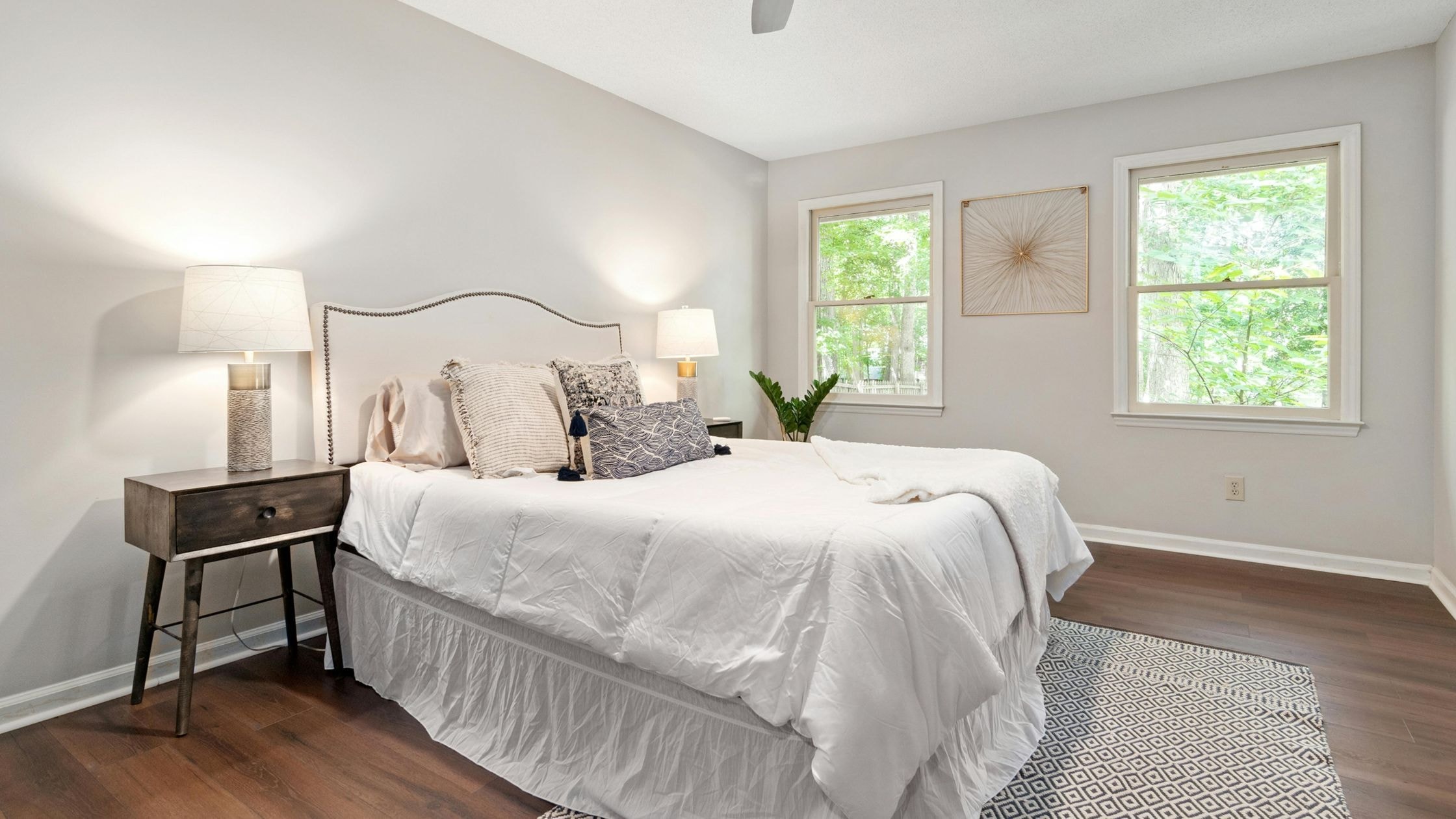
Ultimately, the decision between single-hung and double-hung windows depends on your specific priorities, budget, and home requirements. Single-hung windows excel in situations where cost is the primary concern, maintenance access from outside is feasible, and basic ventilation needs are sufficient. They’re an excellent choice for first-floor installations, garage windows, or any location where the simpler operation and lower price point align with your needs.
Double-hung windows shine in applications where maximum ventilation control, easy cleaning access, and premium functionality justify the additional investment. They’re particularly well-suited for upper-story installations, homes in areas with challenging exterior access, or rooms where superior airflow management contributes to comfort and energy efficiency.
Many homeowners find that a mixed approach works best—using double-hung windows in primary living spaces and second-story locations while opting for single-hung windows in less critical areas. This strategy balances functionality with budget considerations while ensuring each room has appropriate window performance. For more guidance on planning your window project from start to finish, The Ultimate Guide to Window Replacement offers comprehensive strategies for material selection, contractor evaluation, and budgeting.