
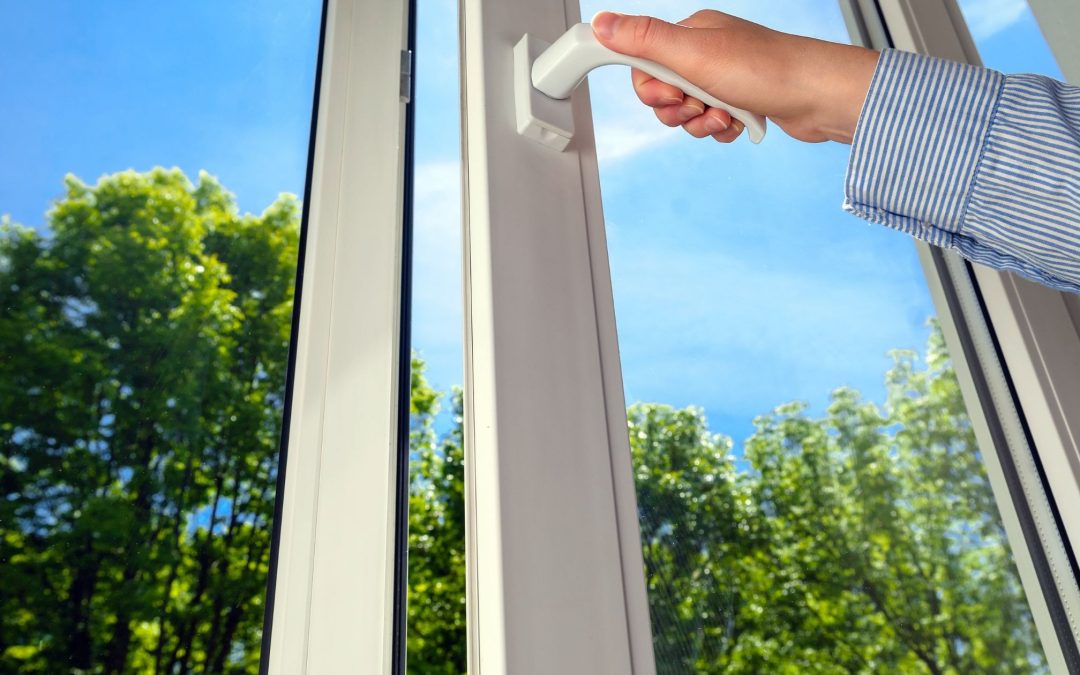
Vinyl windows pros and cons deserve careful consideration before investing in replacement windows. Vinyl windows offer exceptional energy efficiency, low maintenance requirements, and budget-friendly pricing, but they also come with limitations in color options and potential thermal expansion in extreme weather conditions. Understanding both sides helps homeowners make informed decisions about window materials.
Window replacement represents a significant investment for any property. The right window material affects energy costs, maintenance needs, and your home’s appearance for decades. Vinyl windows dominate residential window sales across Nevada, Arizona, Colorado, Idaho, Utah, and Wyoming because they deliver practical benefits most homeowners prioritize.
This guide examines vinyl window frames from multiple angles. You’ll discover how vinyl stacks up against other window materials, what makes certain vinyl replacement windows superior to others, and which factors matter most for your specific climate. Whether you’re replacing a few windows or planning a whole-house upgrade, this information helps you weigh vinyl windows good and bad points against your needs and budget.
Did you know? Modern vinyl windows can last a lifetime with minimal maintenance, while wood windows typically require repainting or refinishing every few years to maintain their appearance and structural integrity.
What Are Vinyl Windows?
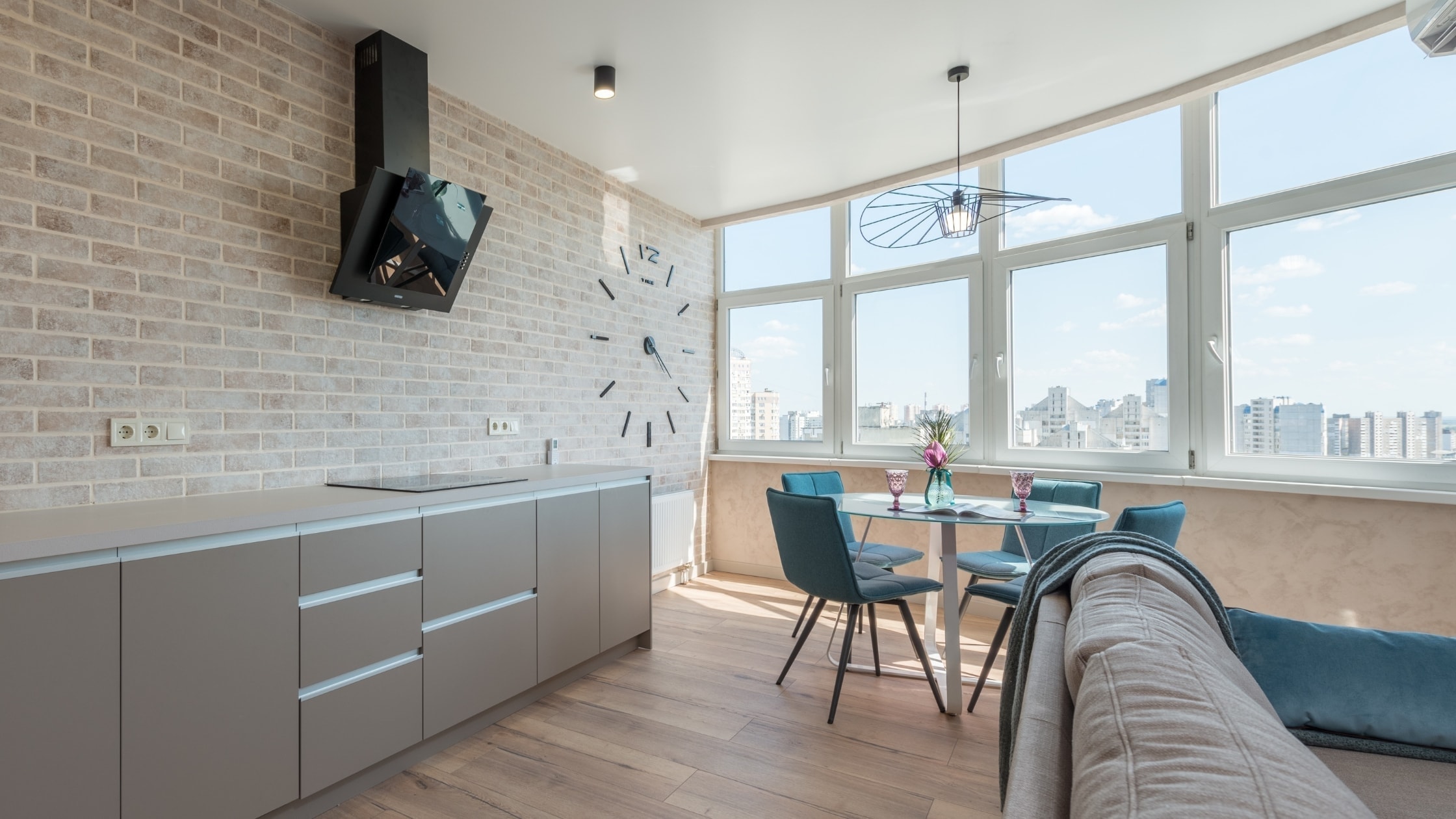
Vinyl windows consist of polyvinyl chloride (PVC), a durable synthetic material that resists moisture, rot, and insect damage. The manufacturing process involves extruding heated polyvinyl chloride through dies to create hollow frame profiles. These profiles form the window sash, frame, and other components that hold the insulated glass units in place.
Unlike wood or metal frames, vinyl frames don’t conduct heat readily. The material offers better insulation than aluminum windows because it creates a thermal barrier between indoor and outdoor temperatures. This superior insulation translates directly to lower energy bills throughout the year.
Not all vinyl windows deliver the same performance. Quality vinyl windows feature thicker frame walls, reinforced corners, and multiple chambers within the frame structure. These design elements enhance structural strength and thermal performance. Budget options may use thinner material that compromises durability and energy performance over time.
Advantages of Vinyl Windows

Vinyl windows excel in several areas that matter to most homeowners. The advantages of vinyl windows extend beyond initial cost savings to include long-term benefits that reduce maintenance time and energy costs.
Energy Efficiency That Reduces Cooling Costs
Energy efficient windows reduce heat transfer through advanced frame design and quality glazing. Vinyl windows typically include multi-chambered frames that trap air and slow thermal movement. When combined with low E glass coatings and insulated glass units, vinyl windows create an effective barrier against temperature extremes.
The energy efficiency gains become most apparent during peak heating and cooling seasons. According to the U.S. Department of Energy, energy efficient windows can reduce household energy bills by 7-15% annually. Homeowners in regions with extreme temperatures see even greater savings when upgrading from single-pane windows or outdated frame materials.
For a closer look at how the glass package affects insulation and comfort, Single-Pane vs. Double-Pane Windows: Why Upgrading Matters explains the benefits of adding a second pane and an insulating space between the glass layers.
Triple pane glass options take energy performance further by adding an extra layer of insulation. The additional pane reduces heat transfer and outside noise. While triple-pane configurations cost more initially, they deliver maximum energy efficiency in harsh climates.
Quick tip: Choose vinyl windows with low emissivity coatings to block up to 90% of harmful UV rays while maintaining natural light levels throughout your home.
Low Maintenance Requirements Save Time and Money
Low maintenance stands out as a primary advantage that influences most homeowners choosing vinyl. Vinyl windows never require painting, staining, or sealing. The color extends throughout the material, so scratches or dings remain less visible than on factory finishes applied to other materials.
Cleaning vinyl windows involves nothing more than soap, water, and occasional window cleaner for the glass. The frames resist moisture damage, mold growth, and insect infestation without chemical treatments. This simplicity translates to significant time savings over the window’s lifespan.
Unlike wood windows that swell, warp, or rot when exposed to moisture, vinyl maintains dimensional stability. The material won’t corrode like aluminum windows in coastal or humid environments. These characteristics make vinyl windows particularly practical for vacation properties or rental units where deferred maintenance creates bigger problems.
Cost-Effective Options Fit Most Budgets
Vinyl windows provide a budget-friendly option compared to wood, fiberglass, or composite materials. The manufacturing process costs less than alternatives, and those savings transfer to homeowners. Lower installation costs also contribute to overall affordability since vinyl windows weigh less than many other materials.
The cost-effective nature extends beyond purchase price. Lower energy bills accumulate over years, offsetting the initial investment. Minimal maintenance requirements mean you save money on painting, repairs, and professional services that wood or aluminum windows demand.
Quality vinyl windows deliver excellent value without premium pricing. Homeowners can upgrade to better insulation, enhanced hardware, or improved glass packages while staying within reasonable budgets. This flexibility allows you to prioritize features that matter most for your climate and aesthetic preferences.
Disadvantages of Vinyl Windows

Every window type involves compromises. The disadvantages of vinyl windows affect some homeowners more than others depending on priorities and climate conditions.
Limited Color Choices Restrict Design Options
Vinyl windows come in fewer color options than wood or aluminum frames. White, tan, and beige dominate the market because darker colors absorb more heat and can cause expansion issues. Black vinyl windows and other dark shades cost significantly more due to specialized formulations that resist thermal warping.
The color goes through the entire frame material rather than being applied as a surface coating. This characteristic prevents peeling or chipping but also means you cannot repaint vinyl windows to match changing exterior colors. Homeowners wanting specific architectural styles or historic accuracy may find vinyl windows limiting.
Curb appeal matters when considering resale value. Some buyers prefer the natural appearance of wood or the sleek profiles of aluminum. Vinyl windows lack the thin sightlines and custom finish options that other window materials offer for high-end homes.
Thermal Expansion Affects Performance in Extreme Weather Conditions
Vinyl expands and contracts more than wood or fiberglass when temperatures fluctuate. This movement can create gaps between the window sash and frame, reducing energy efficiency. Extreme temperatures accelerate this expansion, potentially causing operational issues over time.
The manufacturing process quality directly influences how well vinyl windows handle thermal stress. Thicker frame walls and properly sized chambers help vinyl windows maintain structural integrity through temperature swings. Low quality vinyl windows may warp, stick, or develop water leaks when subjected to temperature extremes common in mountain or desert regions.
Did you know? Premium vinyl windows use titanium dioxide in their formulation to reflect heat and minimize expansion, extending the window’s lifespan in challenging climates.
Structural Limitations for Large Window Openings
Vinyl frames lack the structural strength of aluminum or wood for very large window openings. The material requires thicker frame profiles to support heavy insulated glass units or triple pane glass configurations. These thicker frames reduce the visible glass area and can appear bulky compared to other materials.
How many windows you plan to replace affects whether this limitation matters. Standard residential window sizes work perfectly with vinyl construction. Floor-to-ceiling windows, picture windows spanning eight feet or more, or custom architectural designs may perform better with aluminum and vinyl windows hybrid systems or alternative frame materials.
How Do Vinyl Windows Compare to Other Window Materials?

Understanding other window materials helps clarify where vinyl excels and where alternatives might serve you better. Each frame material offers distinct characteristics that appeal to different priorities.
Vinyl vs. Wood Windows
Wood windows provide unmatched aesthetic warmth and authentic character for traditional architecture. Wood offers superior insulation naturally and supports custom paint or stain finishes. However, wood demands ongoing maintenance to prevent rot, warping, and insect damage.
Unlike wood, vinyl windows eliminate painting schedules and weather-related deterioration. Vinyl delivers comparable energy performance through engineered frame designs rather than natural material properties. The trade-off involves accepting more limited color options in exchange for dramatically reduced maintenance.
Cost differences between wood and vinyl windows become substantial when factoring long-term expenses. Wood windows cost 2-3 times more initially and require periodic refinishing. Vinyl windows typically need only basic cleaning throughout their service life.
Vinyl vs. Aluminum Windows
Aluminum windows dominated mid-century construction due to strength, slim profiles, and durability. Metal frames support large glass areas with minimal visual obstruction. However, aluminum conducts heat readily, creating energy efficiency challenges without thermal breaks.
Modern aluminum windows include thermal barriers to address heat transfer, but vinyl frames still provide better insulation. Aluminum windows excel in coastal environments where salt air might affect other materials, though quality vinyl formulations also resist corrosion.
Aluminum windows offer more color choices through powder-coat finishes and anodizing. The material maintains dimensional stability across temperature ranges better than vinyl. Homeowners prioritizing slim sightlines or specific architectural requirements often prefer aluminum despite higher costs.
Other Materials Worth Considering
Fiberglass windows combine strength, stability, and insulation but cost significantly more than vinyl. Composite materials blend wood fibers with polymers to deliver wood-like appearance with vinyl-like maintenance. These alternatives serve specific needs where vinyl windows might not meet structural or aesthetic requirements.
What Makes Energy Efficient Windows Perform Better?

Energy efficient windows depend on multiple components working together. Understanding these elements helps you evaluate different vinyl windows and make informed comparisons.
Glass packages contribute more to energy performance than frame material alone. Low E glass coatings reflect infrared light while allowing visible light to pass through. This technology keeps interiors cooler in summer and warmer in winter by controlling heat transfer.
Insulated glass units with argon or krypton gas between panes enhance insulation beyond air-filled spaces. The denser gas molecules slow heat movement, improving thermal performance. Multiple panes increase insulation but also add weight that frames must support.
The right window material for energy efficiency depends on your climate zone. Cold regions benefit from triple pane glass and vinyl frames with maximum chamber depths. Hot climates prioritize low E coatings and tinted glass to reduce cooling costs. According to the National Fenestration Rating Council, proper window selection based on climate can improve a home’s energy performance by up to 15%.
Quick tip: Check the NFRC label on any window you consider to compare U-factor (insulation), Solar Heat Gain Coefficient (cooling efficiency), and Visible Transmittance (natural light) ratings.
Which Vinyl Windows Offer the Best Quality?
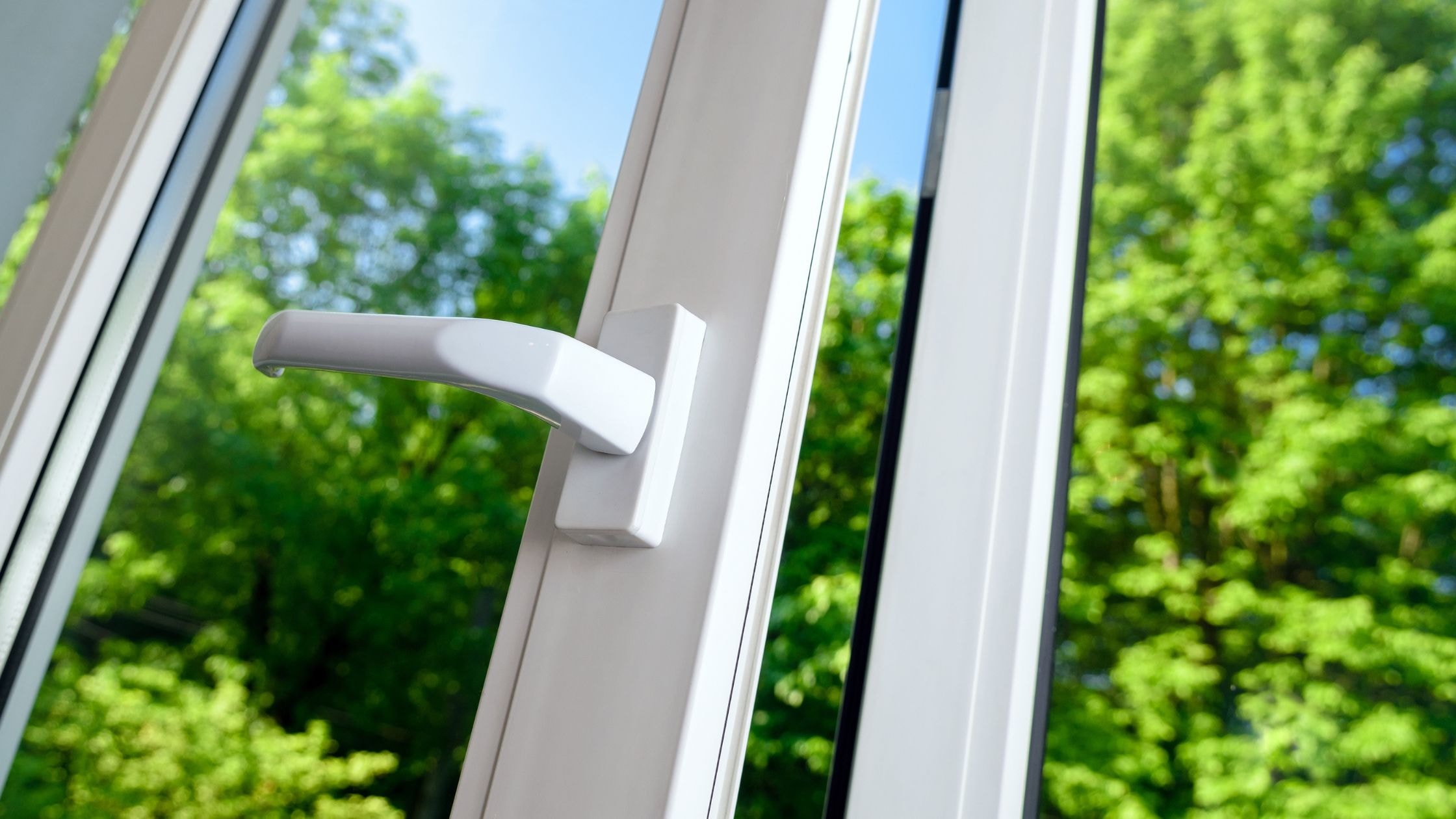
Quality vinyl windows share specific characteristics that separate superior products from budget options. Recognizing these features protects your investment and ensures satisfaction.
Frame Construction and Material Thickness
The thicker frame walls provide better structural integrity and thermal performance. Premium vinyl windows use 0.080-inch wall thickness or greater, while economy options may use 0.055-inch material. This difference affects durability, especially around hardware mounting points and corners.
Multi-chamber frame designs create dead air spaces that enhance insulation. More chambers generally mean better energy efficiency, though design matters as much as chamber count. Well-engineered three-chamber systems can outperform poorly designed five-chamber frames.
Reinforcement within the frame adds strength for larger window openings and improves security. Steel or aluminum reinforcement helps vinyl windows maintain shape and support heavier glass packages. Not all vinyl windows include reinforcement, particularly in budget lines.
Hardware Quality and Weather Seals
Superior hardware operates smoothly and maintains consistent performance through thousands of cycles. Quality vinyl windows use corrosion-resistant locks, hinges, and operators that withstand years of daily use. Cheap hardware fails prematurely and compromises security.
Weather seals prevent air infiltration and water leaks around the sash perimeter. Multiple seal contact points create redundant barriers against the elements. Compression seals typically outlast fin seals and maintain better performance as windows age.
Warranty Coverage Reflects Manufacturer Confidence
Comprehensive warranties indicate manufacturer confidence in their product. The best vinyl windows include lifetime warranties covering materials, glass, and hardware. Limited warranties or short coverage periods suggest lower manufacturing standards.
Read warranty terms carefully regarding transferability, prorated coverage, and exclusions. Some warranties become void if windows aren’t professionally installed or if you attempt repairs yourself. Understanding these terms prevents unpleasant surprises if issues develop.
What Do Most Homeowners Need to Know Before Buying?
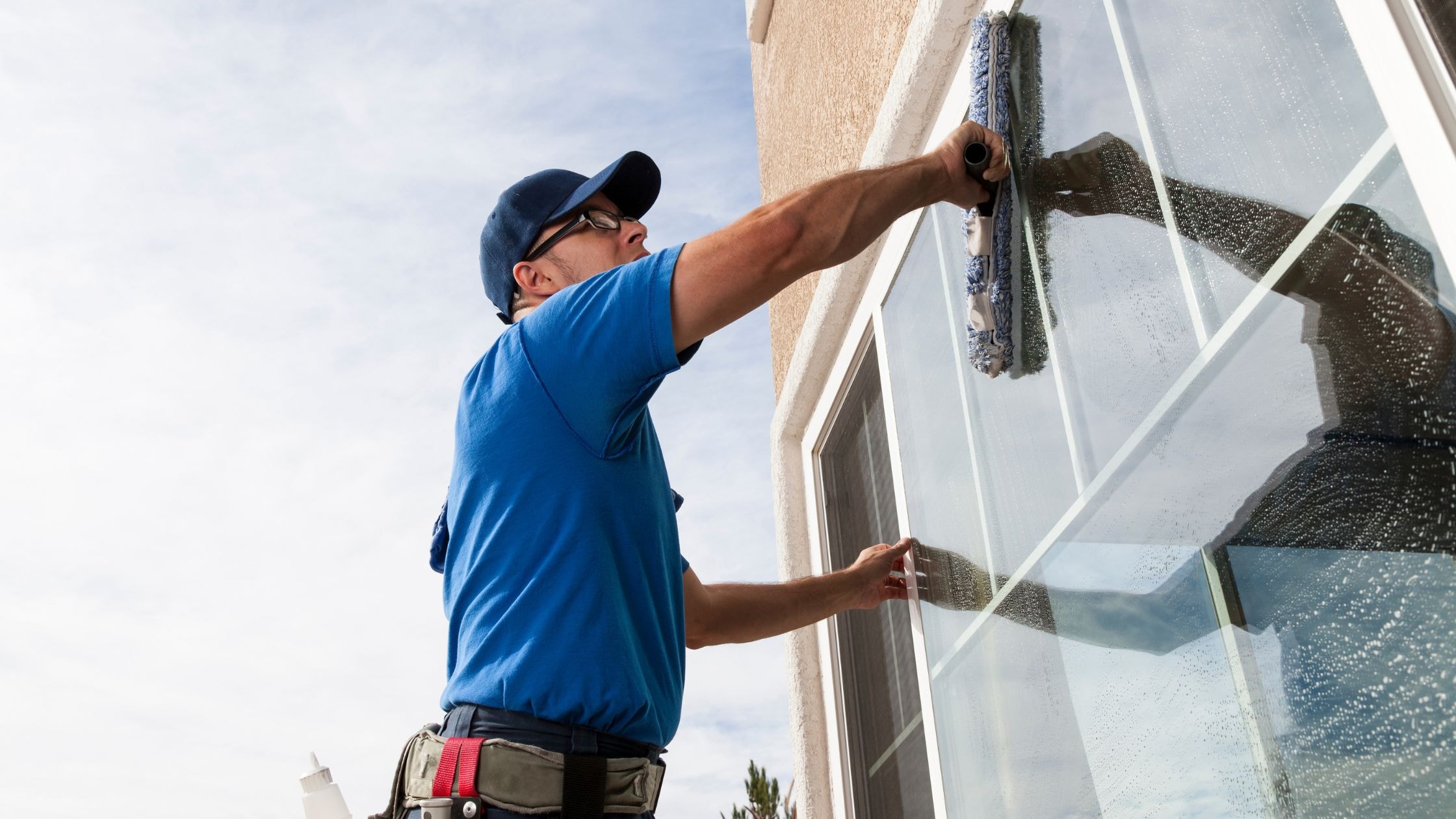
Several factors beyond specifications influence satisfaction with vinyl replacement windows. Most homeowners benefit from considering these practical aspects during the selection process.
Frame material is only one part of choosing the right window. Casement vs. Double-Hung Windows: Pros and Cons compares ventilation, energy efficiency, security, cleaning access, and operation to help homeowners select the best style for each room.
Professional Installation Matters More Than Many Realize
Even premium vinyl windows perform poorly when installed incorrectly. Proper installation ensures square frames, correct shimming, adequate insulation, and appropriate flashing. These details prevent air leakage, water intrusion, and operational problems.
Free estimate appointments provide opportunities to evaluate installer expertise. Ask about experience with your specific window type, licensing, insurance coverage, and installation warranty. Companies specializing in window replacement typically deliver better results than general contractors.
Climate Considerations Should Guide Your Choices
Temperature extremes, humidity levels, and sun exposure in your region influence which window features matter most. Desert climates demand different specifications than mountain environments or coastal areas. Most climates across Nevada, Arizona, Colorado, Idaho, Utah, and Wyoming experience temperature swings that benefit from quality vinyl windows with excellent thermal performance.
Coastal areas might prioritize corrosion resistance and impact ratings. High-altitude locations need windows that handle UV exposure and temperature extremes. Humid regions require enhanced moisture resistance and ventilation compatibility.
Replacement vs. New Construction Affects Options
Understanding the difference between replacement windows and new construction windows helps you choose appropriately. Replacement vs. new construction windows have different applications and benefits depending on your project scope.
Replacement windows fit within existing frames, preserving interior and exterior finishes. This approach costs less and completes faster than removing entire window units. New construction windows require complete frame removal but allow addressing underlying issues and achieving better energy performance.
Planning Your New Window Replacement Project
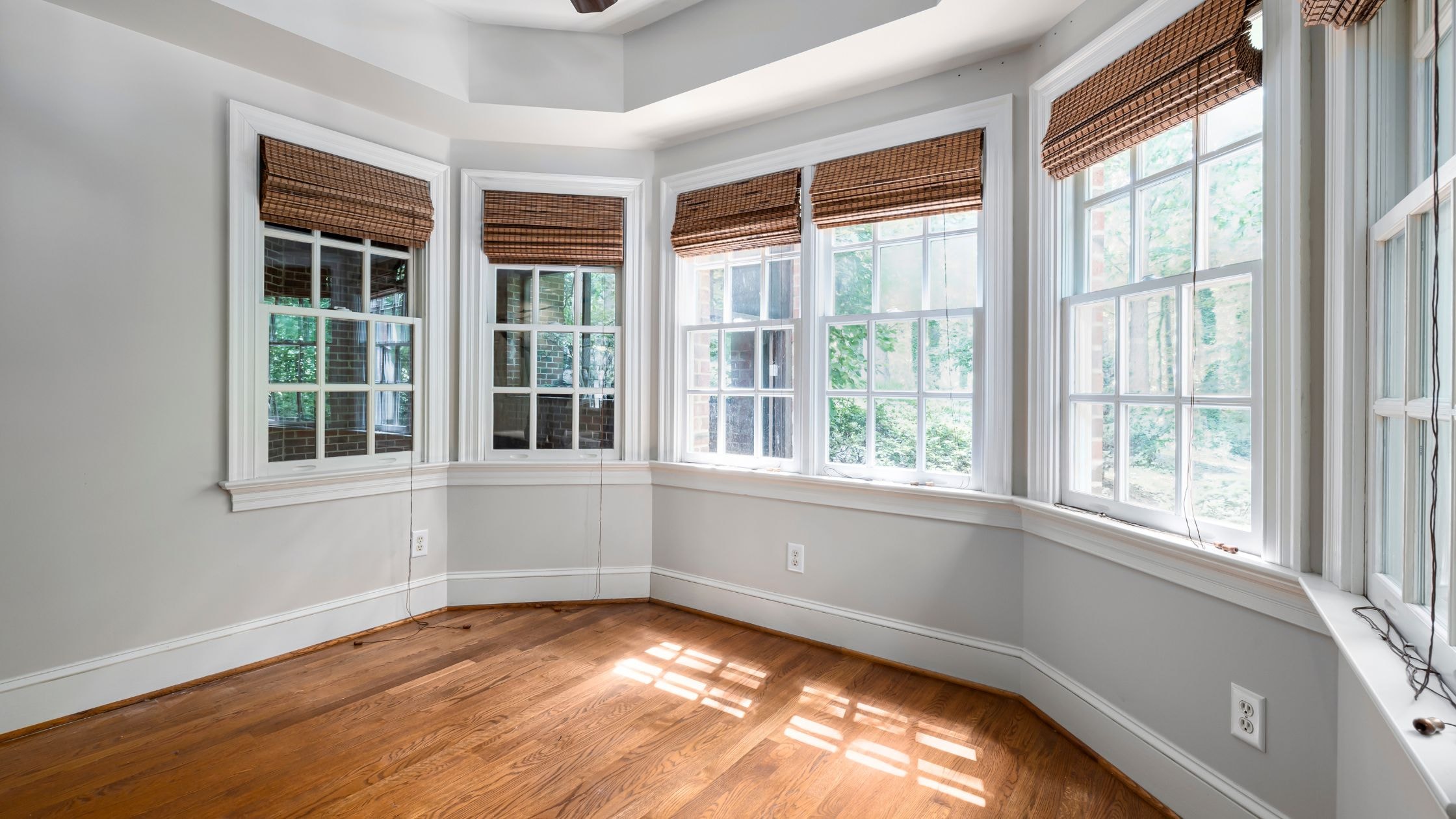
Creating a comprehensive plan before starting your new window replacement ensures better outcomes and prevents costly mistakes. Consider these key elements:
Prioritize windows in this order:
- Windows with visible damage or operational problems
- Rooms with highest energy costs or comfort issues
- Windows most visible from the street affecting curb appeal
- Remaining windows in less critical locations
Budget planning should account for more than window costs alone. Professional installation, trim work, interior touch-ups, and window treatments all contribute to total project expenses. Phasing replacement windows over multiple years helps manage costs while addressing priorities first.
Seasonal timing affects both installation convenience and contractor availability. Spring and fall typically offer moderate weather for installations. Summer and winter may require extra precautions but often come with promotional pricing from manufacturers seeking to maintain production schedules.
Energy rebates and tax credits can offset window replacement costs. Check with your utility company about energy efficient windows incentives. Federal tax credits may apply to windows meeting specific energy performance criteria. These programs change periodically, so verify current offerings before purchasing.
Frequently Asked Questions About Vinyl Windows
Can You Paint Vinyl Windows if You Want a Different Color?
Standard paint doesn’t adhere well to vinyl and creates peeling problems within a few years. Specialized vinyl-safe paints exist but void most manufacturer warranties. The material offers limited customization compared to wood, so choosing the right color initially matters more with vinyl windows.
Do Vinyl Windows Really Save Money on Energy Bills?
Yes, vinyl windows deliver measurable energy savings when replacing single-pane or damaged windows. Homeowners typically see 12-20% reductions in heating and cooling costs. Actual savings depend on existing window conditions, home insulation levels, and climate factors. The payback period usually ranges from 8-15 years.
What Causes Vinyl Windows to Fail Prematurely?
Poor installation accounts for most premature vinyl window failures. Incorrect measurements, inadequate weatherproofing, and improper shimming create problems even with quality products. Material defects, impact damage, and extreme weather exposure also contribute to shortened window lifespan. Regular inspection helps identify issues before they worsen.
Are Vinyl Windows Better Than Fiberglass or Wood?
“Better” depends on your priorities. Vinyl windows excel at providing energy efficiency and low maintenance at affordable prices. Wood offers superior aesthetics for traditional architecture but requires ongoing care. Fiberglass provides maximum strength and stability but costs significantly more. Evaluate what factors matter most for your situation.
How Much Do Quality Vinyl Windows Cost Compared to Other Options?
Quality vinyl windows typically cost 25-40% less than comparable wood windows and 30-50% less than fiberglass. Within the vinyl category, premium products cost roughly double compared to budget lines. The investment in quality vinyl pays off through better energy performance, longer lifespan, and fewer operational problems.
When Should You Replace Rather Than Repair Vinyl Windows?
Replace vinyl windows showing warping, cracking, or permanent cloudiness between glass panes. Fog buildup indicates seal failure that cannot be repaired cost-effectively. Single-pane windows should always be replaced rather than repaired for energy efficiency gains. Minor hardware problems or weather seal issues often justify repair over replacement.
Making Your Window Investment Count

Vinyl windows represent the most popular window type for residential applications because they balance performance, maintenance, and cost effectively. Understanding vinyl windows pros and cons helps you make confident decisions aligned with your home improvement goals.
The advantages of vinyl windows include excellent energy efficiency, minimal maintenance requirements, and budget-friendly pricing that makes whole-house replacement feasible. The disadvantages of vinyl windows involve color limitations, potential expansion in extreme temperatures, and structural constraints for very large openings. These trade-offs affect different homeowners differently based on individual priorities and circumstances.
Your decision should weigh multiple factors beyond frame material alone. Glass specifications, hardware quality, installation expertise, and warranty coverage all contribute to long-term satisfaction. Taking time to research options, compare proposals, and select reputable professionals protects your investment.
Ready to explore options for your home? The Ultimate Guide to Window Replacement provides detailed information about the replacement process, budgeting considerations, and what to expect during installation. Professional guidance helps you navigate choices and avoid common pitfalls that compromise results.
Vinyl windows continue evolving as manufacturers refine materials and expand capabilities. Today’s vinyl windows deliver performance that earlier generations couldn’t match. Whether you replace a few new windows or transform your entire home, choosing quality products and skilled installation ensures you’ll enjoy the benefits for decades.