

Choosing the right types of windows for your home is a significant decision that impacts aesthetics, comfort, and energy efficiency. With numerous options available in today’s market, identifying the best windows for your specific needs requires careful consideration of style, functionality, and budget. This comprehensive guide examines popular window types and their distinctive characteristics to help you confidently select the ideal windows for your home.
Why Window Selection Matters
Windows play a critical role in the overall function and appearance of your home. They offer natural light, ventilation, and insulation. Along with enhancing curb appeal, the right window style can save on heating and cooling costs through improved energy efficiency. A well-chosen window frame makes all the difference in bringing harmony, functionality, and personality to your home.
Now, let’s explore the most popular types of windows available to help transform your living space.
Double Hung Windows
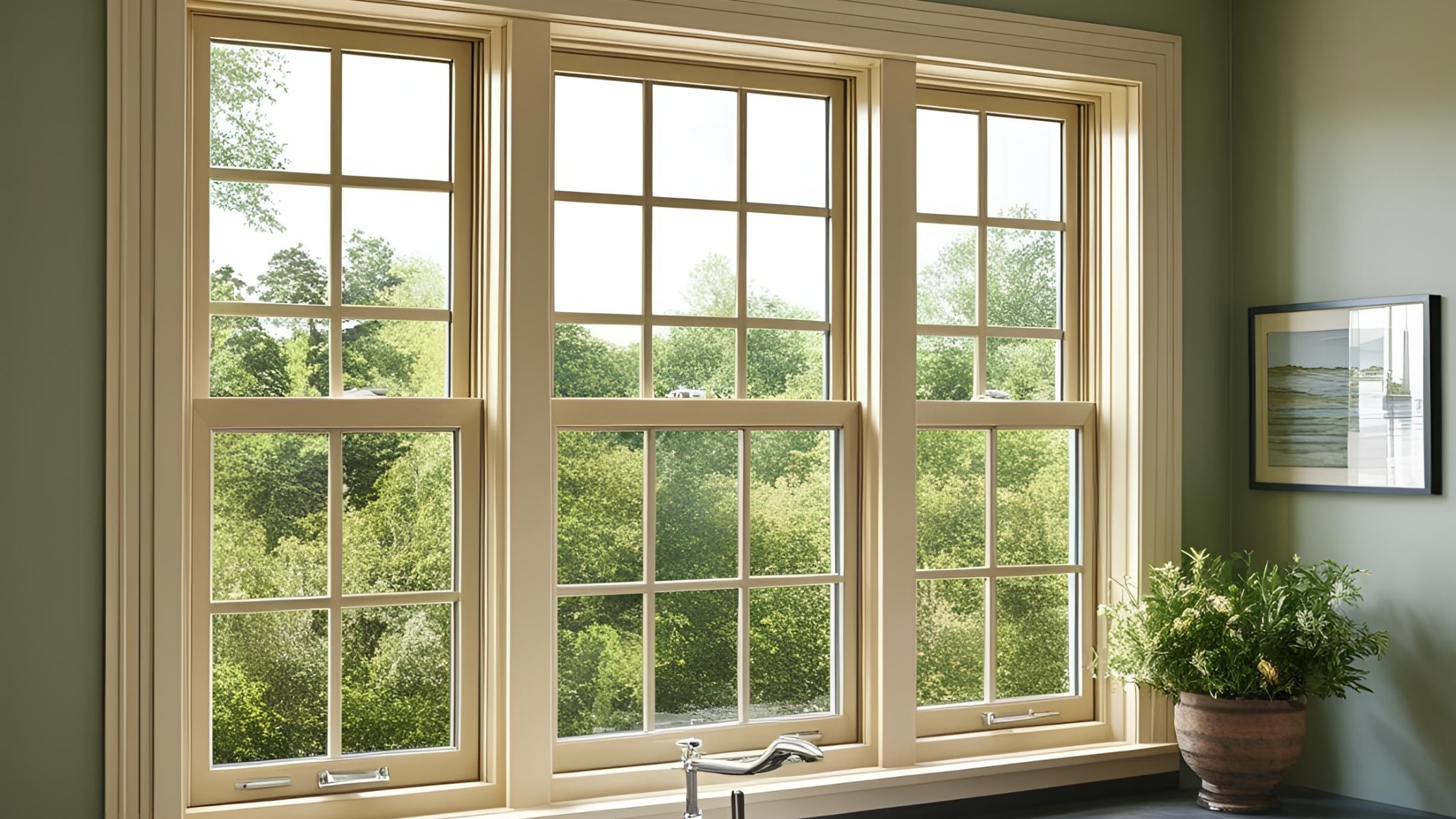
Double hung windows are one of the most popular and versatile window types found in homes today. They feature two operable sashes, meaning both the upper sash and the bottom sash can slide vertically within a single frame. This design not only maximizes ventilation but also makes cleaning simple, as many modern double hung windows come with tilt-in sashes for easy maintenance.
Benefits of Double Hung Windows
1. Enhanced Ventilation: With double hung windows, you can open both the top and bottom sashes to create airflow. Fresh air enters through the bottom while warm air exits through the top, providing better temperature control and improved air circulation throughout your home.
2. Easy Cleaning: Modern double hung windows are designed with convenience in mind. The tilt-in feature allows you to clean both the interior and exterior glass from inside your home. This makes them especially ideal for upper floors where exterior cleaning is typically more challenging.
3. Energy Efficiency: By precisely controlling airflow, double hung windows can improve your home’s insulation and energy efficiency. This helps regulate indoor temperatures, making your home more comfortable while reducing heating and cooling costs over time.
4. Versatile Design: Double hung windows are timeless and work well in a variety of spaces, including living rooms, master bedrooms, and even kitchens. Their clean, classic look complements both modern and traditional architectural styles, making them a versatile choice for any home.
Where to Use Double Hung Windows
Living Rooms: Maximize natural light and ventilation in common areas.
Master Bedrooms: Enhance comfort with better airflow and easy cleaning.
Kitchens: Perfect for spaces that need functional yet stylish windows.
Upper Floors: Simplify cleaning with their inward-tilting design.
Double hung windows remain a top choice for their practicality, timeless design, and ability to blend seamlessly with modern innovation. Whether you’re upgrading your current windows or designing a new home, these windows offer the perfect combination of style, functionality, and energy efficiency.
Quick tip: If you’re looking for a balance of timeless functionality and innovative features, modern double hung windows are a perfect choice. Many models now include features like low-E glass for better energy efficiency, customizable finishes, and enhanced locking mechanisms for improved security.
Single Hung Windows
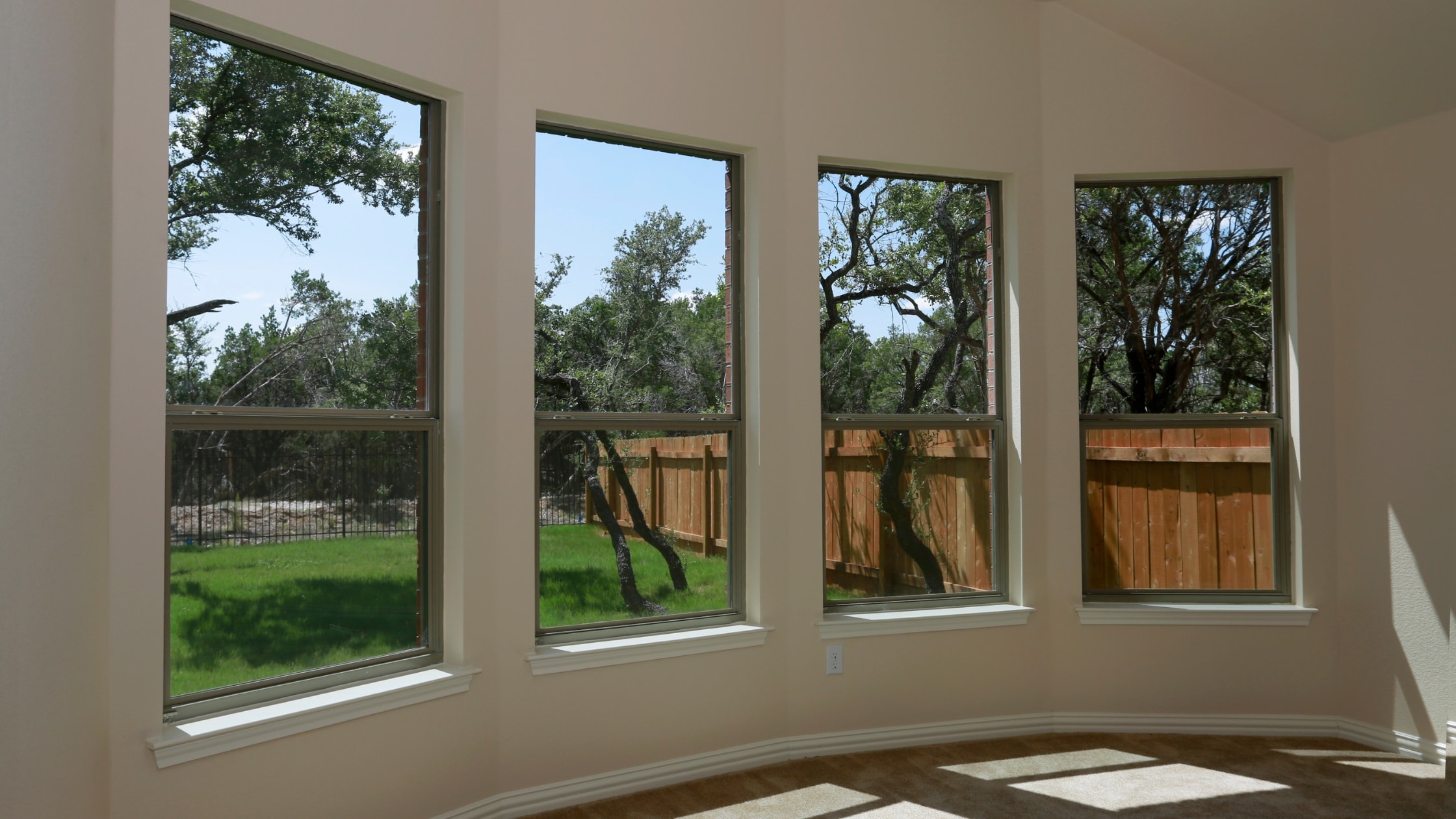
Single hung windows are a popular and practical choice for many homeowners. They are similar in appearance to double hung windows, but with one key difference: only the bottom sash is operable, while the upper sash remains fixed in place. This simpler design makes them an excellent choice for those looking for a cost-effective and space-saving window option.
Benefits of Single Hung Windows
Why choose single hung windows? Here are a few reasons why they might be the perfect fit for your home or building project:
Affordability: Single hung windows are a budget-friendly alternative to double hung windows. With fewer moving parts, they’re often less expensive to purchase and install, making them ideal for cost-conscious projects.
Space-Saving Design: Their streamlined mechanism works well in rooms where space is tight. Because only the bottom sash moves, they require less clearance than other types of windows, making them perfect for bathrooms, kitchens, or smaller rooms.
Energy Efficiency: Single hung windows help limit air leakage, thanks to their simpler construction. This can result in better insulation and lower energy bills, especially in climates where maintaining indoor temperature is critical.
Low Maintenance: With fewer moving parts than double hung windows, single hung windows are easier to maintain and clean. This makes them a durable and long-lasting choice for busy homeowners.
Where to Use Single Hung Windows
Single hung windows are versatile and work well in a variety of spaces:
Smaller Rooms or Spaces: Ideal for bathrooms, hallways, and other compact areas where ventilation needs are minimal.
Traditional and Modern Homes: Their classic design blends seamlessly with both traditional and modern architectural styles.
Energy-Conscious Homes: For homeowners prioritizing insulation, their reduced likelihood of air leaks makes them a smart option.
Single Hung vs. Double Hung Windows: Which Is Right for You?
If you’re debating between single hung windows and their double hung counterparts, consider your priorities. Single hung windows are great for cost savings, energy efficiency, and low-maintenance needs. However, if you need more ventilation or easier access for cleaning, double hung windows might be worth the extra investment.
Quick tip: Opt for single hung windows in compact areas like bathrooms or small offices to maximize functionality while keeping costs down.
Single hung windows offer a perfect balance of simplicity, affordability, and functionality, making them a go-to option for homeowners and builders alike.
Sliding Windows
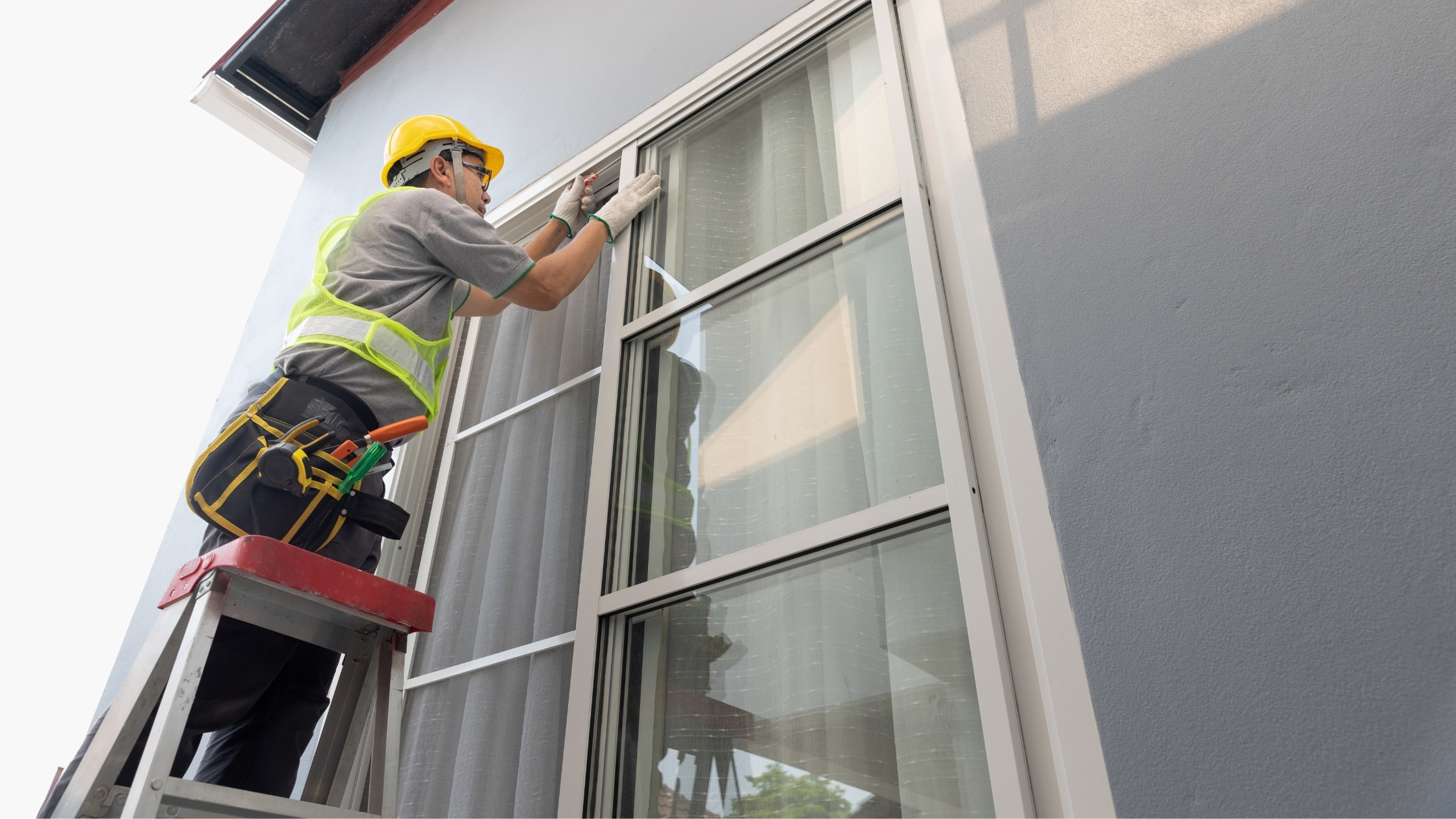
Sliding windows open horizontally, offering a sleek, contemporary design that fits seamlessly into both modern and traditional spaces. Unlike traditional windows that protrude outward or inward, sliding windows are space-savvy, making them ideal for tight or compact areas where every inch matters.
Why Choose Sliding Windows?
There are plenty of reasons why sliding windows are a popular choice for homeowners and designers alike:
Space Optimization: Perfect for compact areas like hallways, kitchens, bathrooms, or rooms facing adjacent walls where outward-opening windows may not be feasible.
Enhanced Ventilation: The wide opening provides excellent airflow and allows for more natural ventilation, keeping your space fresh and comfortable.
Abundant Natural Light: With large window panels, sliding windows let in plenty of natural light, creating a bright and inviting atmosphere in any room.
Low-Maintenance Design: Fewer moving parts make sliding windows easier to clean and maintain compared to other window types.
Where to Install Sliding Windows
Sliding windows are versatile and work well in numerous settings:
Kitchens: Ideal for over countertops or sinks, where space is limited and ease of operation is crucial.
Bathrooms: Provide both ventilation and privacy, making them practical and stylish.
Living Rooms: Wide sliding windows can double as a design feature, offering unobstructed views of the outdoors.
Offices or Studios: Maximize light and airflow, enhancing productivity in smaller workspaces.
Quick tip: When installing sliding windows, consider adding energy-efficient glass to improve insulation and reduce heating or cooling costs. Pair them with durable materials like aluminum or vinyl frames for long-lasting performance.
Sliding windows not only add functionality but also elevate the style of any room. Their combination of practicality, modern aesthetics, and energy efficiency makes them a smart choice for any home.
Awning Windows
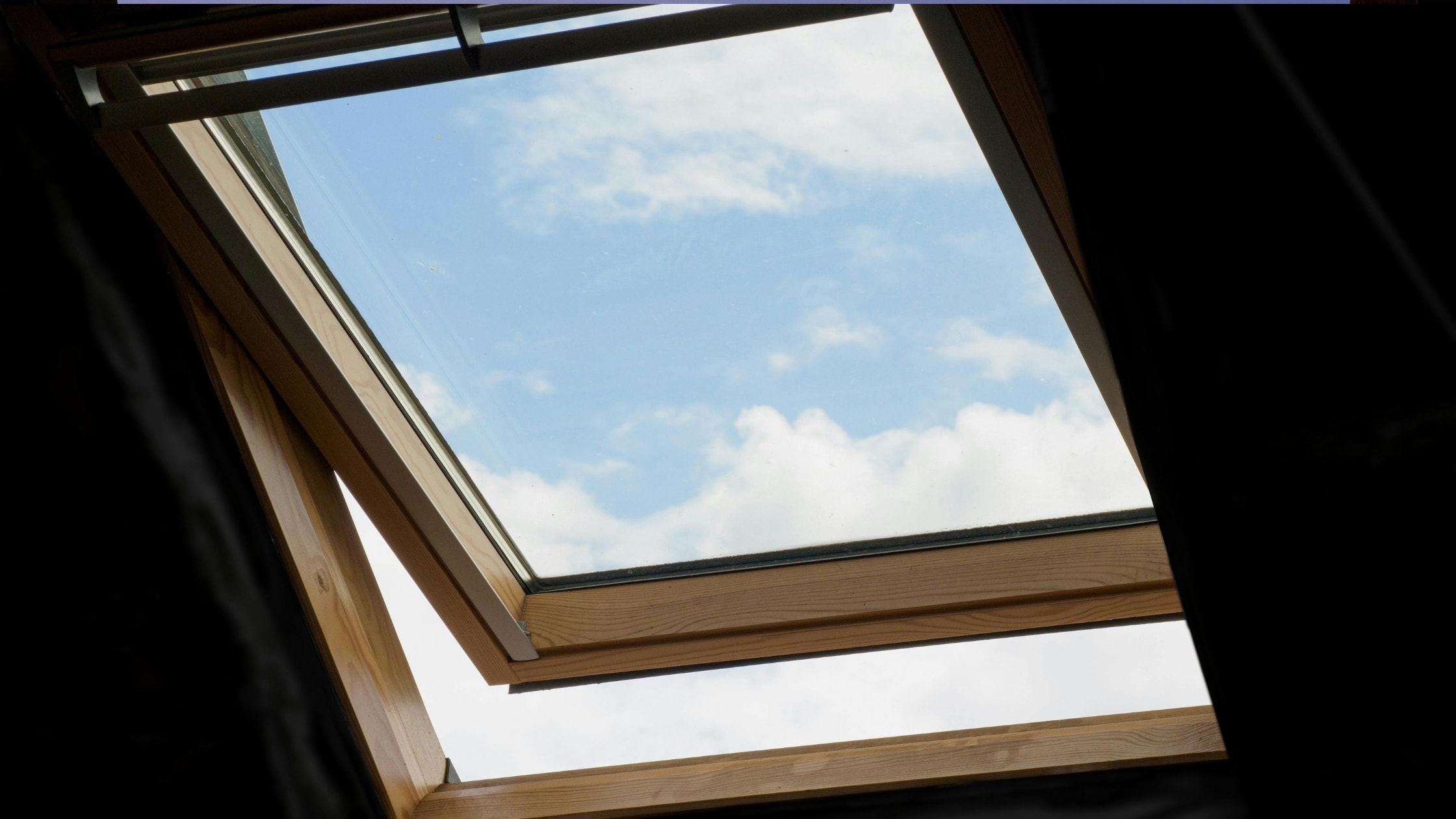
Awning windows open outward from the bottom, creating a unique shield-like effect that protects your home from rain while still allowing air to flow freely. This makes them an excellent choice for homeowners looking for a combination of functionality and style. These windows are often paired with fixed windows, picture windows, or transom windows to create striking architectural designs.
Why Choose Awning Windows?
Awning windows offer several benefits that make them a popular choice in both modern and traditional homes. Here’s why they stand out:
Perfect for wetter climates: Their outward-opening design acts as a protective barrier, keeping rain out while maintaining airflow, making them ideal for rainy or humid regions.
Ideal for upper floors and hard-to-reach spaces: Awning windows are easy to operate with a crank handle, making them suitable for high walls, kitchens, bathrooms, or other areas where ventilation is key but access may be limited.
Energy-efficient design: With their tight seal when closed, they help improve insulation, keeping your home warmer in winter and cooler in summer. Pair them with energy-efficient glass for even better performance.
Great for natural light: Their compact size makes them perfect for adding natural light to smaller or darker spaces, such as basements, attics, or bathrooms.
Stylish additions to specialty window arrangements: Awning windows work beautifully when placed below picture windows, next to casement windows, or as accents in a larger multi-window installation. They bring both style and versatility to your home’s design.
Where to Use Awning Windows in Your Home
Awning windows are highly versatile and can be used in a variety of spaces to enhance both function and aesthetics:
Bathrooms and kitchens: They provide ventilation while maintaining privacy and protecting against outdoor elements.
Bedrooms and living rooms: Use awning windows in combination with fixed glass windows for unobstructed views and better airflow.
Basements and smaller spaces: Their compact design makes them perfect for spaces with limited room.
Modern and traditional home designs: Whether your home has a sleek contemporary look or a classic style, awning windows add a touch of elegance and functionality.
Awning Windows: A Functional and Stylish Choice
Whether you’re looking to boost ventilation, protect against the elements, or add a modern touch to your home design, awning windows are a smart and stylish choice. Their versatile design works well in a variety of spaces and climates, offering a blend of practicality and visual appeal.
Quick tip: Awning windows open outward, making them perfect for maintaining airflow during light rain.
Looking for a breakdown of casement windows and awning windows? Check out Casement and Awning Windows: Stylish and Functional Choices.
Casement Windows
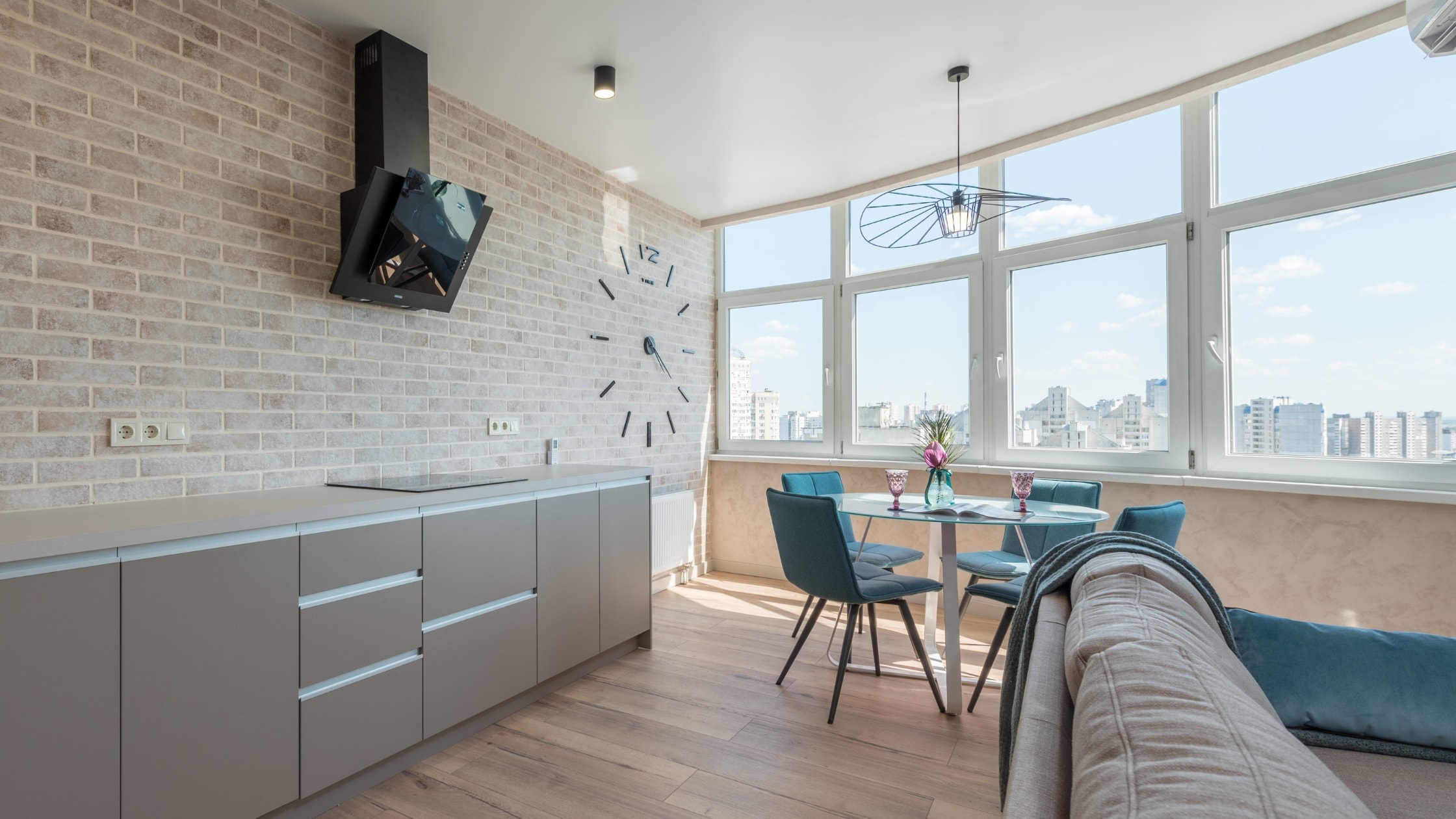
Casement windows are side-hinged windows that swing open outward, much like a door. Operated using a convenient crank handle system, they are designed to provide both functionality and aesthetic appeal. These windows are a popular choice for homeowners looking to enhance natural light, improve airflow, and boost the energy efficiency of their homes.
Quick tip: Keep in mind that casement windows swing open fully, providing maximum airflow for your home.
Key Benefits of Casement Windows
1. Energy Efficiency: One standout feature of casement windows is their tight seals when closed, making them highly energy efficient. This design helps to prevent air leaks, keeping your home warm in the winter and cool in the summer. As a result, they can contribute to lowering your energy bills while also reducing your carbon footprint.
2. Improved Ventilation: Since casement windows open outward, they allow maximum airflow into your space. Their wide opening design captures side breezes, making them ideal for areas where ventilation is a priority, such as kitchens, bathrooms, or living rooms. By enhancing air circulation, they help create a fresher, more comfortable indoor environment.
3. Natural Light Enhancement: Casement windows are excellent for maximizing natural light. Their large glass panes, unobstructed by bars or grids, allow sunlight to flood into your space, making rooms brighter and more inviting. This not only reduces the need for artificial lighting during the day but also helps improve the ambiance of your home.
4. Easy-to-Use Crank Handle System: The crank handle system makes operating casement windows simple and user-friendly. Whether you’re opening or closing them, the mechanism requires minimal effort, making these windows a practical choice for people of all ages.
For a deeper look at installation tips for these windows, explore The Ultimate Guide to Window Installation.
Where Are Casement Windows Best Used?
Casement windows are versatile and work well in various parts of the home:
Kitchens: Their excellent ventilation helps reduce moisture and cooking odors.
Living Rooms: Their ability to bring in ample natural light and fresh air creates a welcoming atmosphere.
Bathrooms: The combination of ventilation and privacy makes them a smart choice for this space.
Bay Windows

Bay windows are a timeless addition to any home, known for their distinctive design that protrudes outward from the exterior wall. This unique structure not only creates an elegant focal point but also adds additional interior space to a room, making it feel larger and more open. Typically, bay windows are comprised of three panels: a central fixed pane for clear, unobstructed views, flanked by two angled casement windows or double hung windows for ventilation and style.
Benefits of Bay Windows
Why choose bay windows? They offer a range of functional and aesthetic benefits that make them a popular choice for homeowners:
Boost Curb Appeal: Bay windows enhance the exterior of your home with their striking appearance, creating a focal point that adds character and elegance.
Create More Usable Space: The outward projection provides extra interior room, perfect for adding seating areas, cozy reading nooks, or stylish display shelves for plants and decor.
Maximize Natural Light: The wide, multi-panel design allows more sunlight to pour into your home, brightening up your living room, master bedroom, or any space they’re installed.
Versatile Design Options: Choose from various window combinations, materials, and finishes to match your home’s architectural style—whether traditional or modern.
Where to Use Bay Windows
Bay windows are not just functional; they’re versatile and can elevate the design of any space:
Living Rooms: Create a welcoming, sunlit area perfect for relaxing or entertaining guests.
Master Bedrooms: Add charm and a sense of luxury with a cozy bay window seat or a corner for decor.
Home Offices: Boost productivity with a bright, open atmosphere and breathtaking outdoor views.
Dining Areas: Use the extra space to design a charming breakfast nook or additional seating.
Why Bay Windows Stand Out
Bay windows are an excellent investment, offering both aesthetic upgrades and practical advantages. Whether you’re looking to improve your home’s exterior, increase natural light, or make better use of space, bay windows deliver on all fronts. Their combination of bold design, functionality, and versatility makes them a great choice for any home improvement project.
Quick tip: Complement your bay windows with cozy bench seating for a functional yet charming touch.
Bow Windows
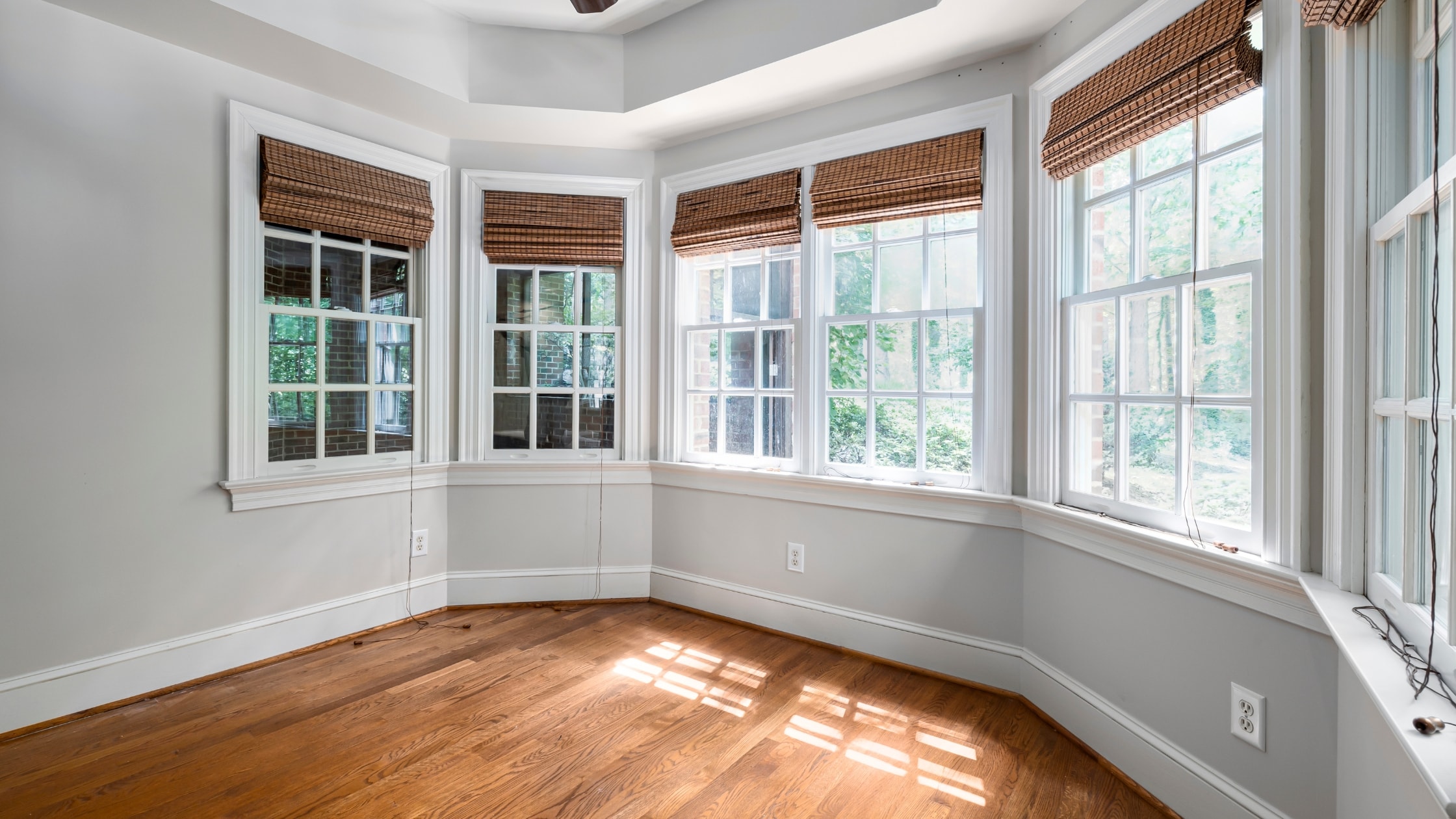
Similar to bay windows, bow windows feature four or more equal-sized panels that curve outward, creating a beautiful, rounded appearance. These windows are designed to maximize space while adding elegance and functionality to your home. With their unique curved structure, bow windows deliver a timeless aesthetic that enhances both interior and exterior designs.
Benefits of Bow Windows
Why choose bow windows? Here’s why they are a fantastic option for your home:
Visually stunning: Bow windows are perfect for homeowners who want to elevate their home’s curb appeal. Their curved, panoramic design makes them ideal for traditional architectures as well as more contemporary styles.
More natural light: By featuring multiple panels, bow windows allow more sunlight to brighten your living spaces, creating a warm and inviting atmosphere throughout the day.
Enhanced views: The curved design provides a wider, unobstructed view of the outdoors, making them an excellent choice for homes with scenic surroundings.
Energy efficiency: Modern bow windows are often available with energy-efficient glass options, helping to keep your home comfortable year-round while reducing utility costs.
Soft, rounded look: Unlike standard windows, bow windows add a soft, curved aesthetic that enhances the character and charm of your home.
Increased space: The outward curve creates additional interior space, which can be used for built-in seating, plants, or decorative displays.
Why Bow Windows are Perfect for Your Home
Bow windows are more than just functional—they’re a design feature that transforms your home. Whether you’re looking to add elegance, improve natural lighting, or simply enjoy better views, bow windows are a versatile solution. Their timeless design works seamlessly with modern, traditional, or transitional home styles, making them a popular choice for homeowners who want beauty and practicality in one.
Quick tip: Use bow windows in spaces where you want an expansive view with softer visual edges.
Picture Windows
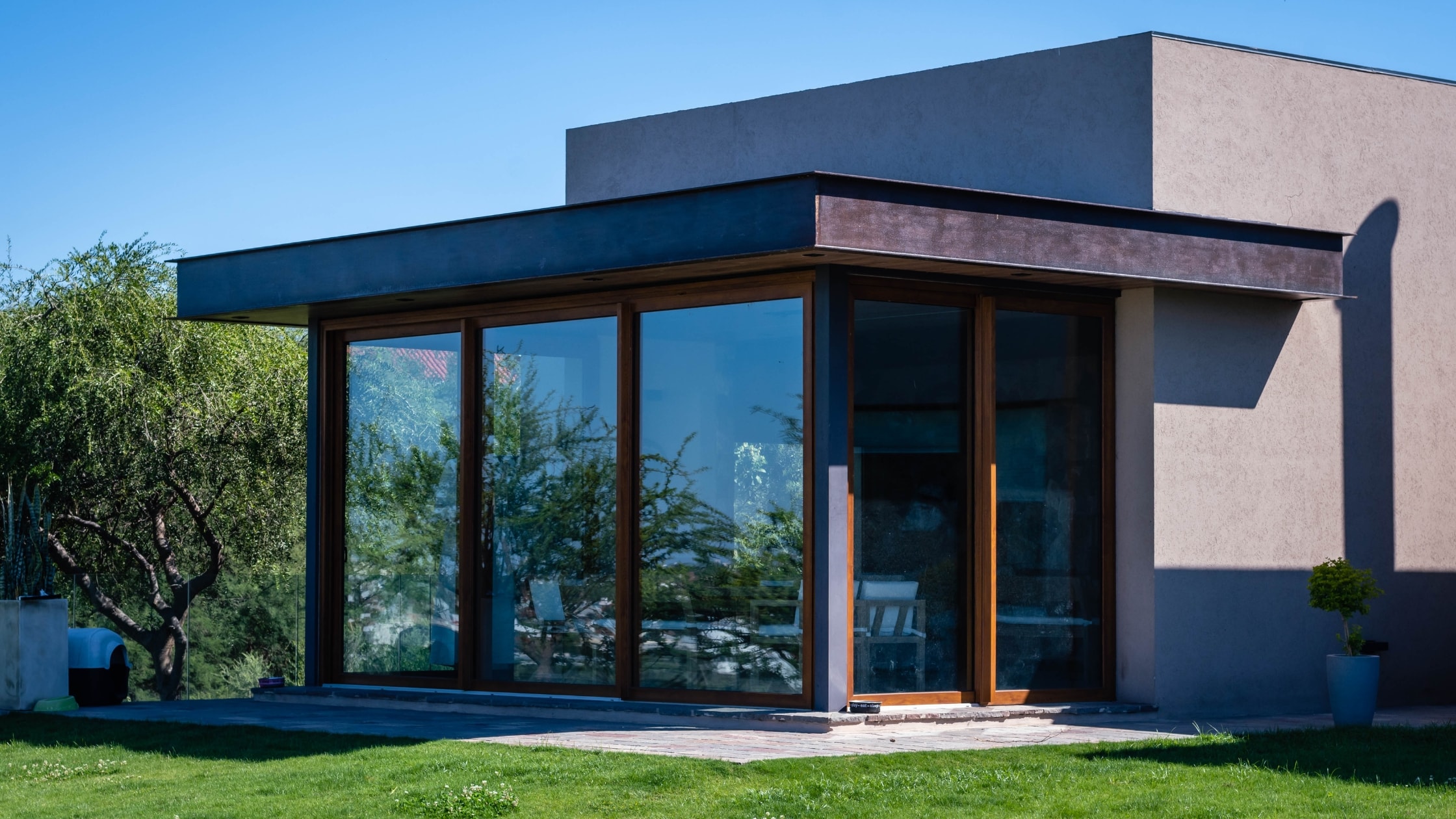
Picture windows are large, stationary windows with fixed glass panes. They are designed to frame stunning outdoor views while allowing plenty of natural light to flood into your home. Unlike other window types, they do not open, making them ideal for creating a sleek, unobstructed design.
Why Choose Picture Windows?
There are several reasons why picture windows might be the perfect addition to your home:
Showcase Scenic Landscapes: If your home overlooks a breathtaking view—whether it’s a lush garden, mountain range, or city skyline—picture windows provide a clear, uninterrupted frame to bring the outdoors in.
Pair with Transom Windows: For a unique and stylish look, combine picture windows with transom windows, which are smaller glass panels placed above or beside the main window. This combination enhances the overall design and adds more natural light to your space.
Energy Efficiency: Since picture windows do not open, they have a tight seal, reducing air leaks and improving insulation. This makes them highly energy-efficient by helping maintain indoor temperatures while lowering heating and cooling costs.
Durability and Low Maintenance: With no moving parts, picture windows are long-lasting and require minimal upkeep. Their fixed design also reduces the wear and tear that comes with opening and closing mechanisms.
Where to Use Picture Windows
Living Rooms: Maximize the light and create a centerpiece for family gatherings.
Bedrooms: Frame peaceful outdoor views for a relaxing atmosphere.
Staircases or Hallways: Brighten darker areas of the home with natural illumination.
Whether you want to highlight the beauty of your surroundings or make your interiors feel more open and airy, picture windows are a versatile and functional choice for modern homes.
Quick tip: Pair picture windows with smaller operable windows for both style and ventilation.
Other Specialty Window Types to Consider
When choosing windows for your home, there are plenty of options to suit both design and functional needs. Here are a few additional window types worth exploring:
Egress Windows
Egress windows are essential for safety and compliance in basements or any room used for sleeping. These windows are designed to provide an accessible emergency exit, meeting building code requirements. They also let in more natural light, making dark basement spaces feel brighter and more inviting. If you’re finishing a basement or creating a guest room, installing an egress window is a must.
Arched Windows
For those looking to add a touch of elegance and sophistication, arched windows are an excellent choice. Their rounded tops create a softer look compared to traditional rectangular windows, making them ideal for enhancing architectural details. Whether used as a standalone feature or paired with other window styles, arched windows bring timeless charm to any design.
Transom Windows
Installed above doors or larger windows, transom windows are perfect for adding a dash of elegance and extra natural light. They can be fixed or operable, and their placement helps create the illusion of taller ceilings. Transom windows are especially popular in classic or traditional home designs but can also complement modern aesthetics when customized with unique shapes or patterns.
Choosing the Best Windows for Your Home
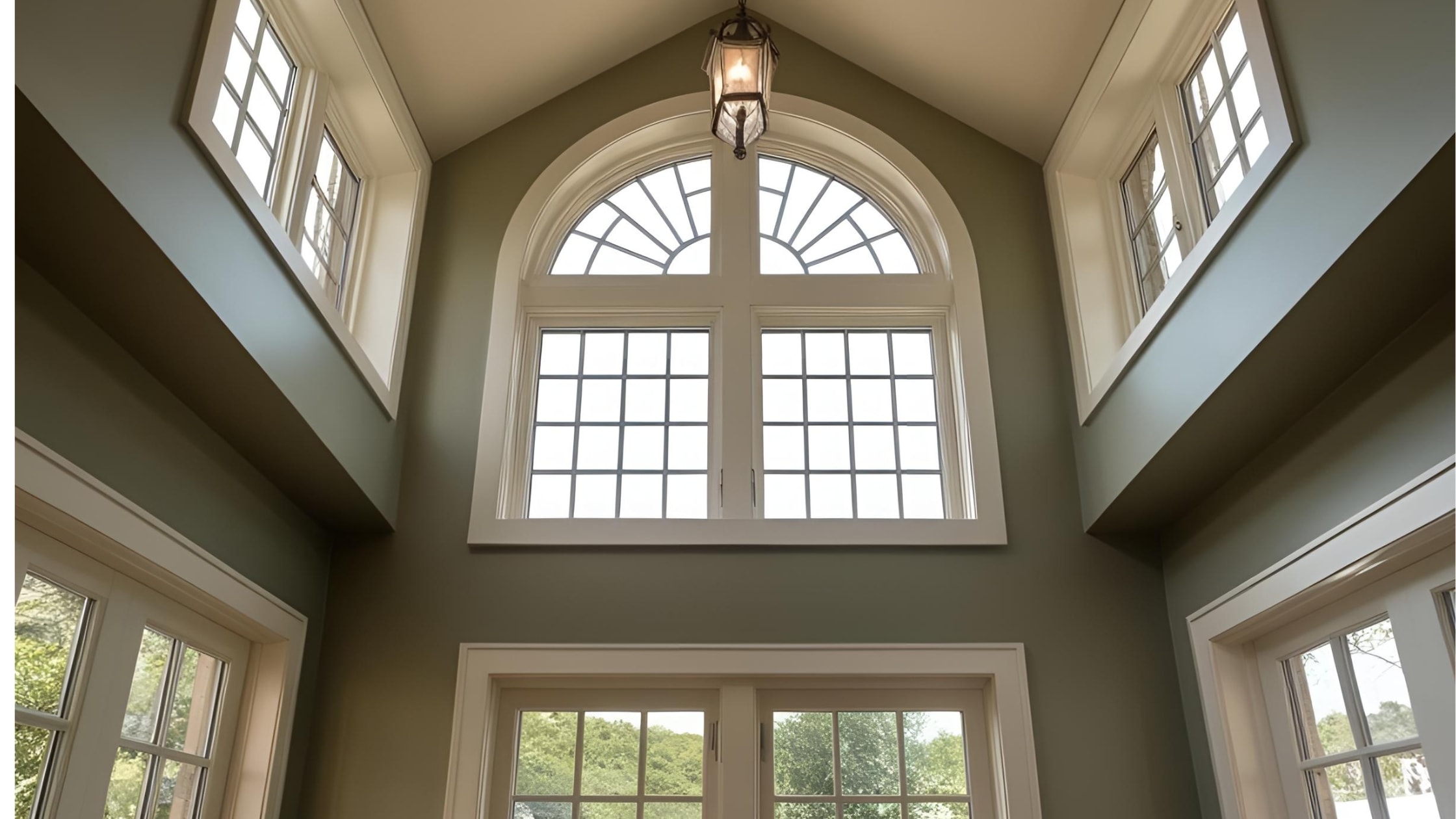
When selecting the best windows for your home, it’s essential to think beyond just looks. The right windows can improve your home’s functionality, energy efficiency, and overall comfort. Here are some key factors to consider:
Ventilation needs: Assess how much fresh air you want throughout your home and which rooms require better airflow. Windows like casement or double-hung styles are great for improving ventilation.
Overall aesthetic or curb appeal: Your windows contribute significantly to your home’s exterior look. Consider styles like bay windows or picture windows to enhance your property’s curb appeal and boost resale value.
Energy efficiency and heating and cooling costs: Energy-efficient windows, such as those with double or triple-pane glass, can help lower your heating and cooling bills significantly. Look for windows with an ENERGY STAR rating to ensure optimal performance.
Why Fiberglass Windows Are a Great Choice
For modern homes aiming to balance performance, durability, and design, fiberglass windows are a standout option. They are highly durable, resist warping or cracking over time, and provide excellent insulation. Their sleek design makes them perfect for contemporary aesthetics while still offering the strength needed for harsh weather conditions.
Is It Time for Replacement Windows?
If your existing windows are outdated, damaged, or no longer providing the functionality you need, investing in replacement windows is a smart move. Replacement windows not only enhance your home’s energy efficiency but also improve security and reduce noise pollution. Whether you choose vinyl, wood, or fiberglass windows, upgrading to new windows can add significant value to your property.
By keeping these factors and options in mind, you can confidently select the best windows for your home that meet both your practical needs and style preferences.
Conclusion
Windows aren’t just functional—they serve as a vital element of your home’s aesthetic and performance. They play a key role in reflecting your personal style, boosting your home’s curb appeal, and improving energy efficiency by helping regulate temperature and reducing energy costs.
Choosing the right windows can transform the look and feel of your home, making it more inviting while also contributing to its overall value. With so many window styles available, from timeless, classic designs to sleek, modern options, there’s a perfect match to suit any architectural style.
Whether you’re looking for something that provides maximum natural light, better ventilation, or enhanced insulation, windows are a versatile feature that can meet both functional and stylistic needs, ultimately elevating your living space.