
Windows protect your home from outside air, control temperature, and define your property’s appearance. Yet most homeowners rarely think about window lifespan until problems appear. Understanding how long do windows last helps you plan for replacement before minor issues escalate into costly damage or comfort problems.
The answer depends on several factors including material quality, installation precision, local climate, and maintenance habits. Some windows function reliably for decades while others fail within years. Recognizing the warning signs that indicate your windows need replacement allows you to address problems before they affect energy bills, home comfort, or structural integrity.
This guide examines typical window lifespans for different materials and identifies the clear indicators that signal time to replace your windows. You’ll learn which problems you can ignore temporarily and which demand immediate attention to prevent further damage to your home.
How Long Windows Last Based on Material Type
Window material determines longevity more than any other factor. Each material offers distinct advantages and typical service lives that help you understand replacement timing.
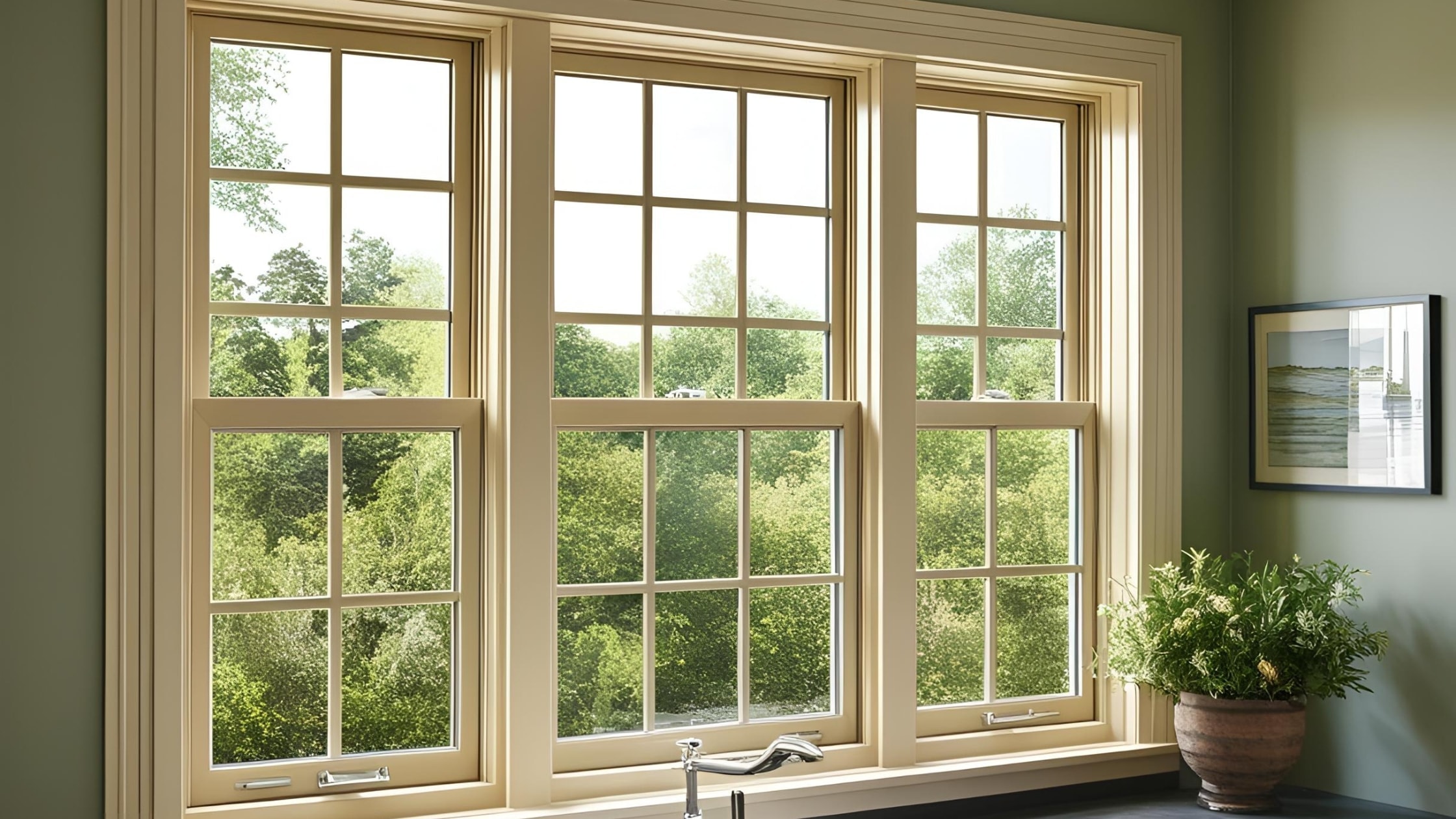
Vinyl windows dominate modern installations due to their balance of durability, performance, and value. Quality vinyl windows last a lifetime when properly installed and maintained. The material resists moisture damage, never needs painting, and maintains structural integrity through temperature changes. Poor quality vinyl products fail earlier due to weak construction or inadequate UV protection that causes brittleness.
Wood windows provide traditional aesthetics and excellent insulation properties. These windows last 15 to 30 years depending on maintenance quality and weather exposure. Wood requires regular painting or staining to prevent moisture infiltration that leads to rot. Harsh weather conditions accelerate deterioration in wood windows, particularly in extreme climates with high humidity or frequent freeze-thaw cycles.
Quick tip: Wood windows facing south or west deteriorate faster than those on north-facing walls due to increased exposure to harmful UV rays and temperature extremes.
Aluminum windows offer strength and slim profiles that maximize glass area. The material itself lasts indefinitely, but most windows show operational problems within 15 to 25 years. Aluminum conducts heat rapidly, which reduces energy efficiency compared to other materials. Corrosion in coastal environments shortens aluminum window lifespan unless frames feature protective coatings.
Fiberglass windows represent premium options with exceptional durability. These windows last 30 to 50 years or more due to fiberglass’s resistance to expansion, contraction, and degradation. The material maintains dimensional stability through extreme temperatures and never needs painting. Higher initial costs make fiberglass less common despite superior longevity.
According to the Department of Energy, proper window selection for your climate zone dramatically affects energy performance and longevity outcomes. Climate-appropriate windows last longer and perform better throughout their service life.
Understanding the Average Lifespan Expectations

The average lifespan for residential windows ranges from 15 to 30 years across all materials and quality levels. This wide range reflects differences in manufacturing quality, installation precision, climate exposure, and maintenance practices that affect how long windows actually perform.
High quality windows installed by certified professionals consistently reach or exceed expected lifespans. Proper installation ensures frames sit level, seals compress correctly, and operating mechanisms align precisely. These details determine whether windows last their full potential lifespan or fail prematurely due to installation defects.
Local climate significantly impacts window longevity. Extreme climates with harsh weather conditions stress windows through constant temperature changes and moisture exposure. Coastal regions present salt air that corrodes metal components. Desert environments subject windows to intense UV rays and temperature swings that degrade materials faster.
Regular maintenance extends window lifespan by addressing minor issues before they escalate. Cleaning frames regularly, lubricating hardware, and inspecting seals catches problems early. Neglected windows accumulate dirt, develop operational problems, and allow water seepage that damages surrounding structures.
For comprehensive information about window selection and replacement, explore The Ultimate Guide to Window Replacement. This resource explains materials, features, and considerations that help you choose windows suited to your specific needs and climate.
Visible Damage That Signals Replacement Needs
Physical damage to window components indicates structural problems that compromise performance and security. These visible signs demand immediate attention to prevent further damage to your home.
Cracked or broken glass represents obvious replacement triggers. Even small cracks allow air leaks that waste energy and admit moisture. Broken glass eliminates security and weather protection entirely. Any cracked glass requires prompt replacement to restore window function and protect your home.
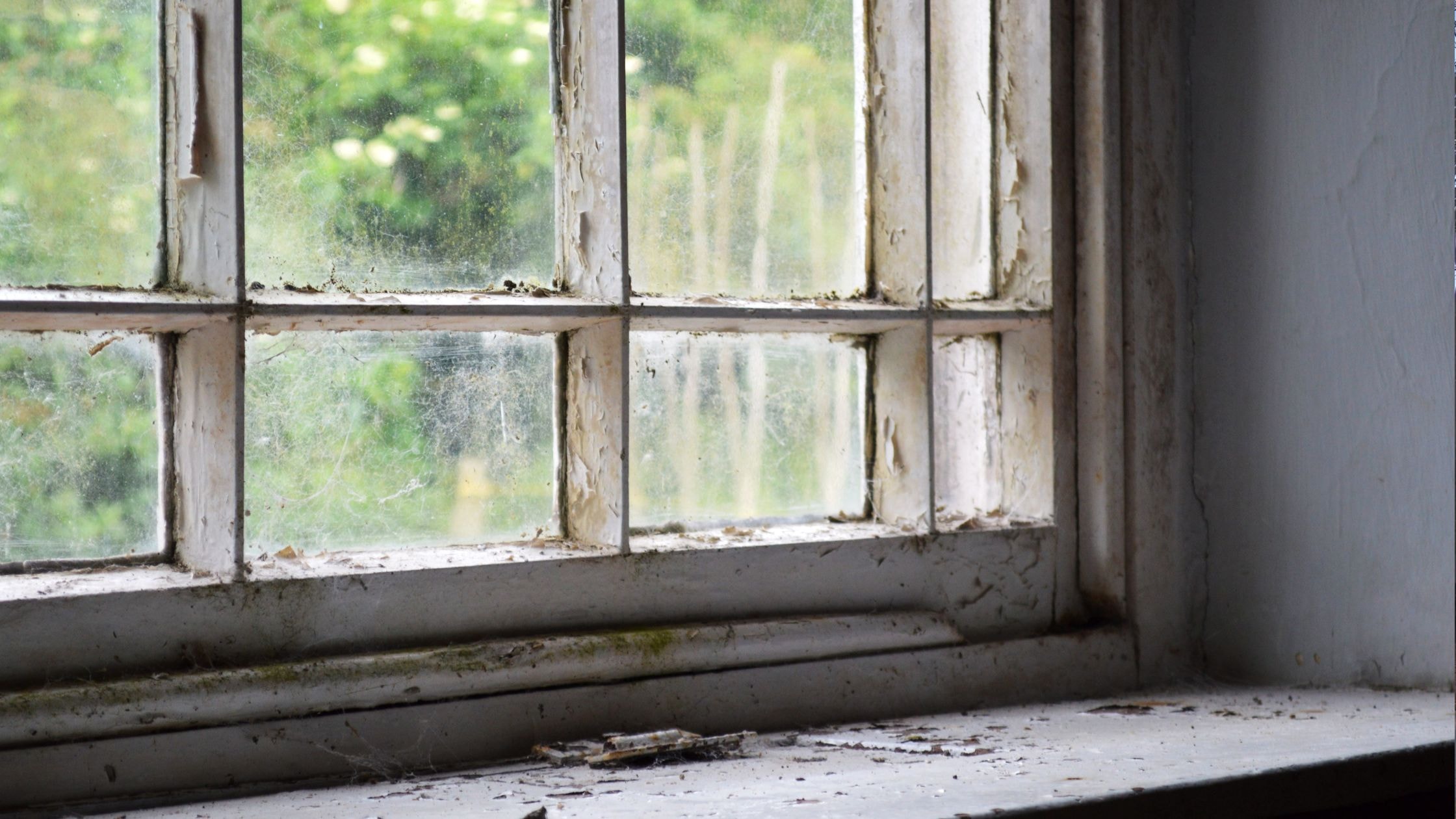
Window frames showing rot, warping, or soft spots signal material failure. Wood frames develop rot when water penetrates protective finishes and saturates the material. Vinyl frames crack or warp under stress from temperature extremes or poor manufacturing. Visibly damaged frames cannot maintain proper seals or support glass weight safely.
Did you know? Soft spots in wood window frames indicate advanced rot that likely extends beyond visible damage, often requiring new windows rather than repair.
Peeling paint or visible rust exposes frame materials to accelerated deterioration. Paint protects wood from moisture while rust indicates corrosion in metal components. Both conditions allow further damage that shortens window lifespan and creates increasingly expensive repair needs.
Damaged window sash or operating mechanisms prevent proper function. Bent tracks, broken balances, or stripped gears make windows difficult or impossible to operate. These problems compromise ventilation, emergency egress, and daily convenience while signaling broader deterioration.
Energy Efficiency Problems That Increase Costs
Energy efficiency issues waste money on heating and cooling while reducing home comfort. Several warning signs indicate windows no longer provide adequate insulation against temperature transfer.
Drafty windows allow outside air to infiltrate your home despite closed and locked positions. Hold a lit candle near closed drafty window edges on windy days. Flickering flames reveal air leaks through failed weatherstripping or warped frames. These gaps force cooling systems to work harder while allowing temperature controlled air to escape.
Rising energy bills without increased usage often trace to failing windows. Single pane windows lack the insulation capacity for modern energy standards. Even double-pane units lose effectiveness when seals fail and allow moisture or gas to escape between panes. Compare energy bills year over year to identify increasing costs that suggest window problems.
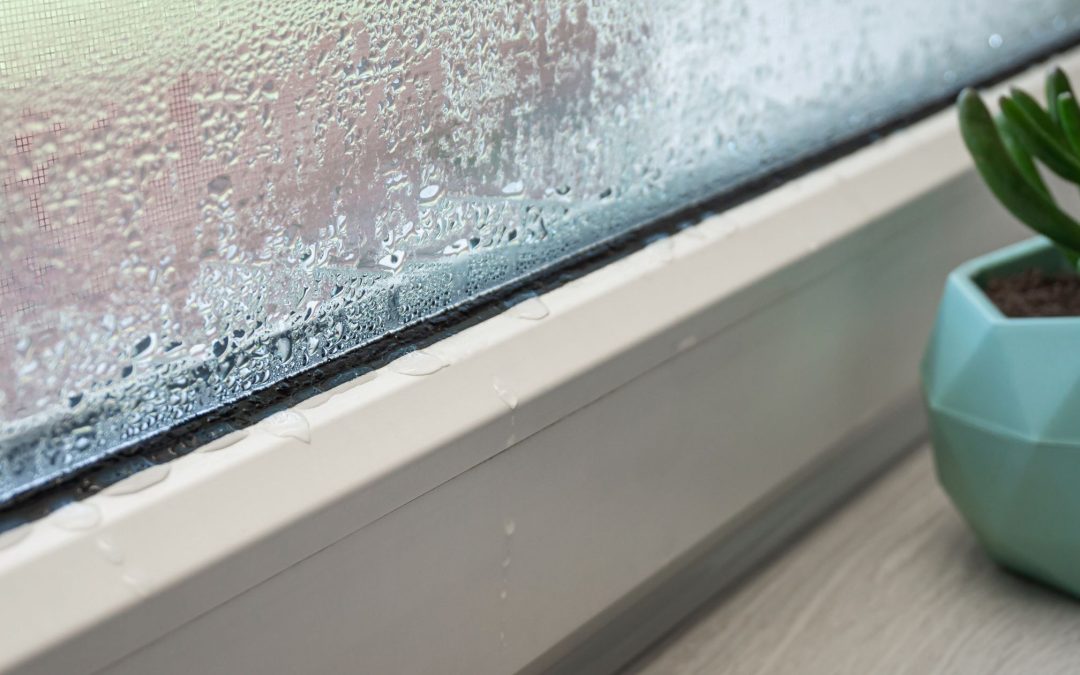
Condensation between glass panes signals seal failure that eliminates the insulating air or gas space. This moisture cannot be removed without replacing the window unit or glass assembly. Failed seals allow outside air to contact interior glass directly, which reduces insulation value and creates permanent cloudiness.
Temperature differences near windows indicate poor insulation. Touch interior glass during winter or summer extremes. Cold glass in winter or hot glass in summer means heat transfers freely through failed window assemblies. Modern windows with proper seals and low emissivity coatings maintain glass temperatures closer to room temperature.
Ice buildup on interior window surfaces during winter demonstrates extreme insulation failure. This condensation freezes when interior glass drops to freezing temperatures, which only occurs with severely inadequate windows. Ice damage can extend to surrounding walls and trim if left unaddressed.
Understanding glass technology improvements helps clarify replacement benefits. Single-Pane vs. Double-Pane Windows: Why Upgrading Matters explains how modern glass assemblies dramatically outperform old windows while reducing energy bills.
Operational Difficulties That Indicate Failure
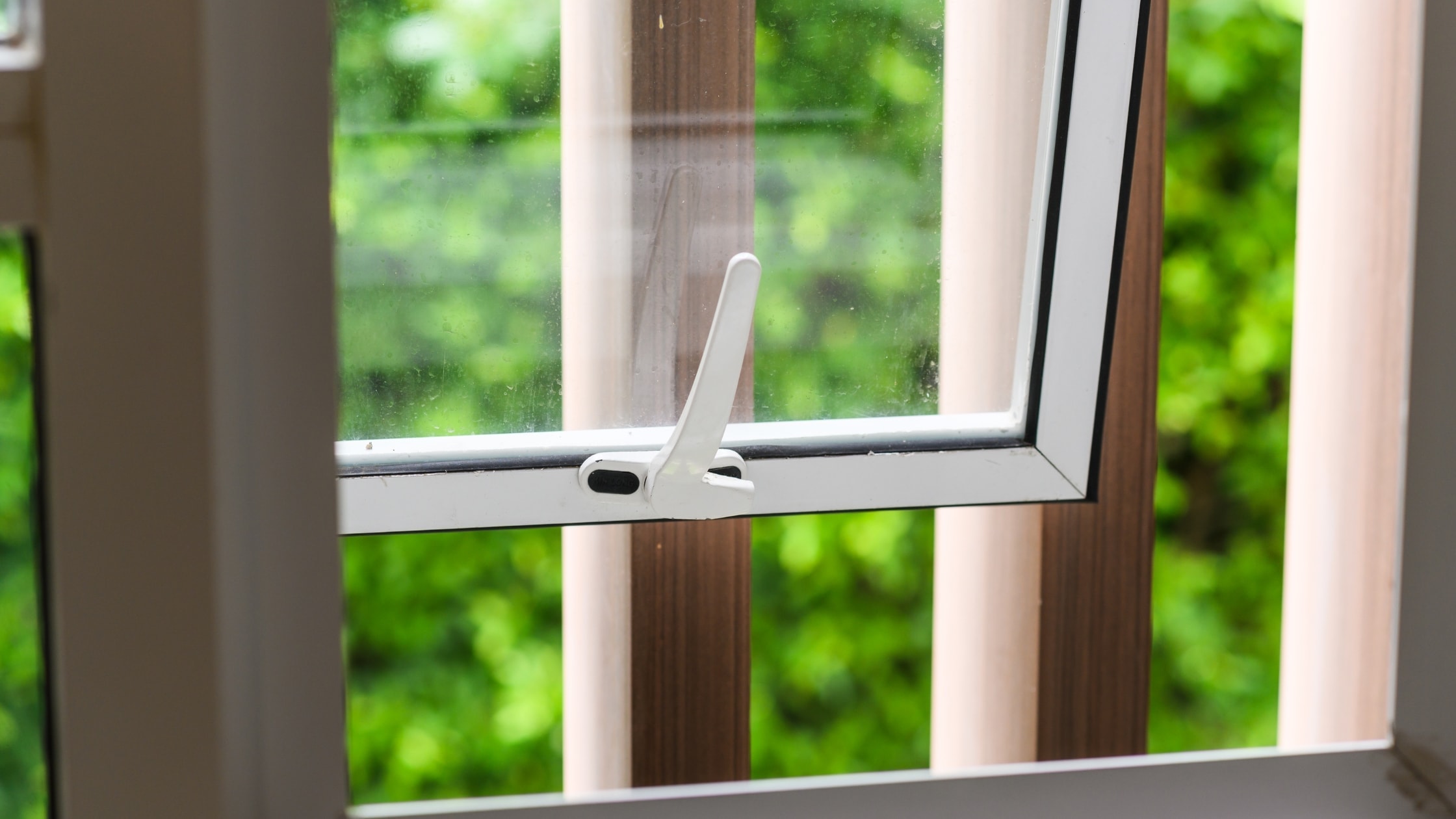
Windows should open, close, and lock smoothly throughout their service life. Operational problems suggest material failure, hardware deterioration, or frame distortion that prevents proper function.
Difficulty operating windows during opening or closing indicates problems with frames, balances, or tracks. Sticking windows require excessive force that stresses components and creates safety concerns. Windows that refuse to stay in open position signal balance mechanism failure common in older double-hung designs.
Broken locks or damaged hardware compromise home security. Non-functioning locks allow potential intrusion while preventing proper window closure that maintains weathertight seals. Hardware replacement provides temporary solutions, but repeated failures indicate frames no longer support proper hardware installation.
Windows that won’t close completely create persistent air leaks regardless of weatherstripping condition. Frame warping or foundation settlement causes misalignment that prevents proper sealing. These gaps admit drafts, moisture, and outside noise while eliminating energy efficient benefits.
Quick tip: Test window locks by closing and locking each window, then applying gentle outward pressure to verify secure engagement that prevents unwanted opening.
Difficulty opening windows during emergencies presents serious safety concerns. Building codes require bedroom windows to function as emergency exits. Windows that stick, bind, or require tools to open violate safety standards and endanger household members during fire or other emergencies.
Curb Appeal Improvements Through Replacing Windows
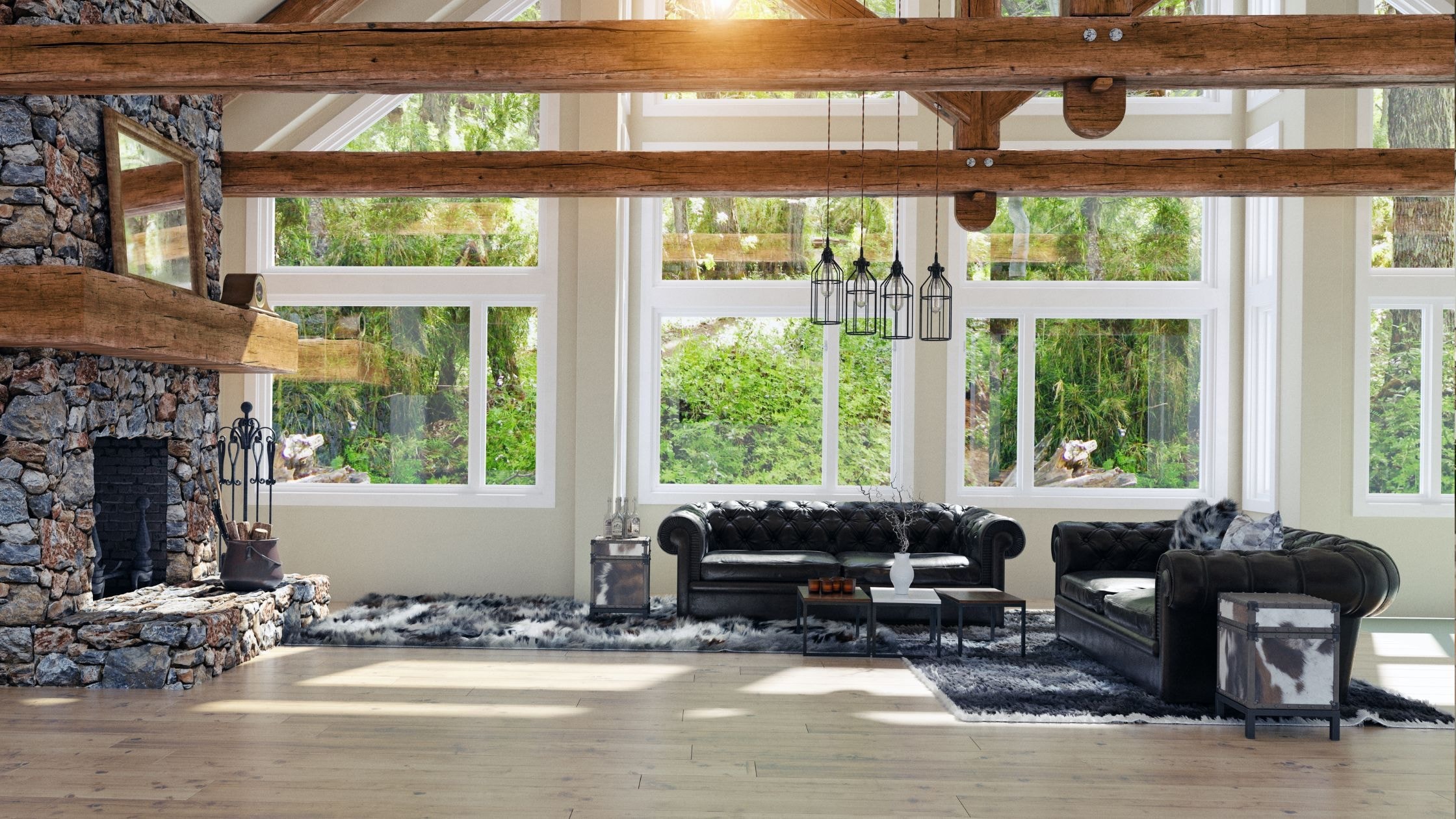
Visual appearance affects property value and neighborhood perception. Windows comprise significant portions of exterior surfaces that determine first impressions and overall aesthetic quality.
Faded, damaged, or mismatched windows create negative impressions that suggest neglect. Peeling paint, broken glass, or visible deterioration signals maintenance problems that concern buyers and neighbors. These visual defects reduce curb appeal and property value regardless of interior condition.
Modern windows with clean lines, consistent styling, and proper proportions enhance architectural character. Replacement projects offer opportunities to update styles, add decorative elements, or improve visual harmony across exterior elevations. These improvements strengthen curb appeal and support higher property valuations.
Consistent replacing windows throughout visible elevations creates polished appearances. Replacing only some windows often creates mismatched looks unless done strategically. Consider phasing projects by completing entire elevations rather than scattered individual replacements that create inconsistent appearances.
Condensation and Moisture Problems
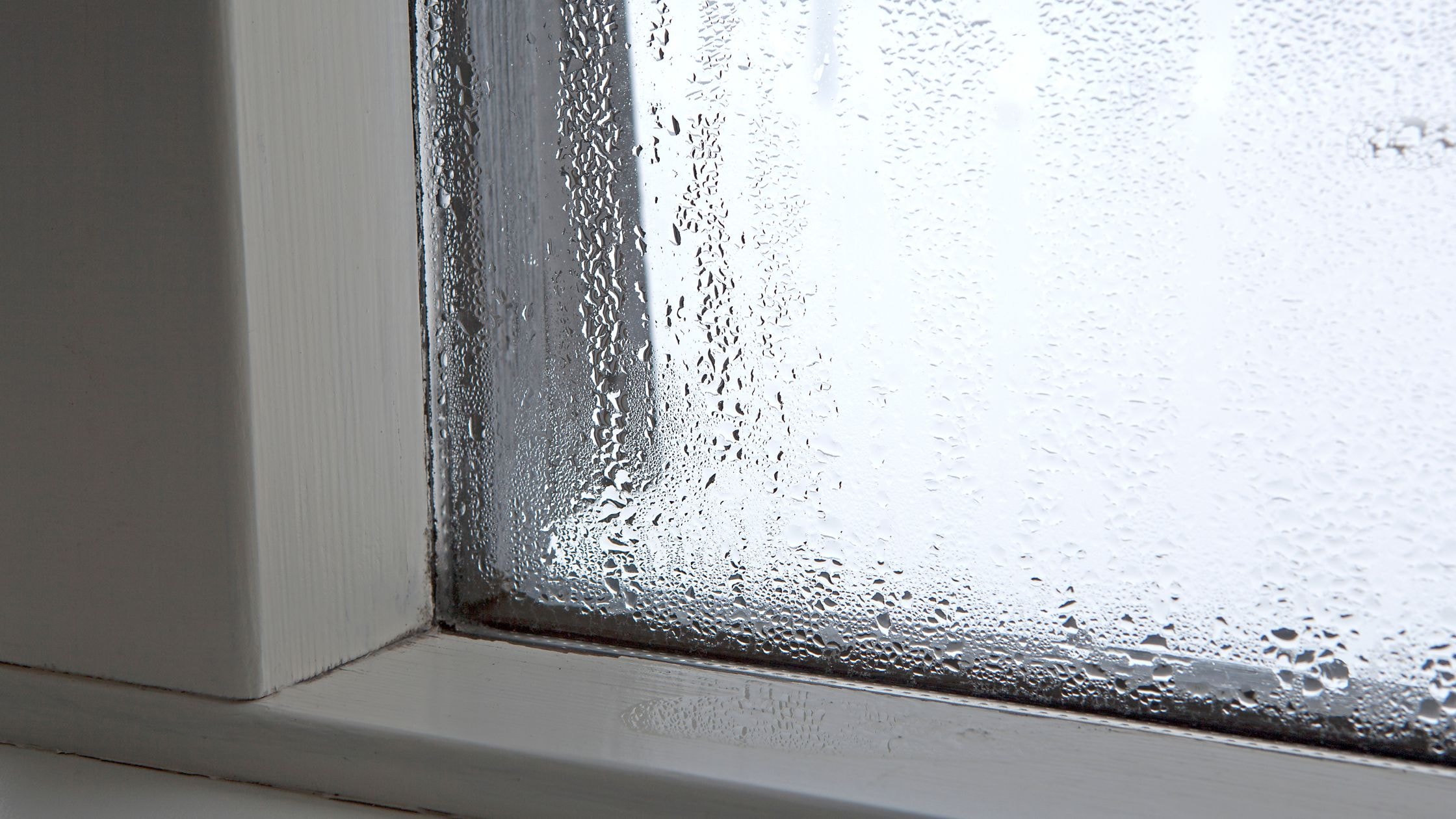
Moisture issues indicate failed seals, inadequate insulation, or ventilation problems that damage windows and surrounding structures. Different condensation patterns signal distinct problems requiring specific responses.
Interior condensation on glass surfaces during winter suggests excessive indoor humidity rather than window failure. This condensation typically occurs on all windows and clears when humidity drops. Improve ventilation or reduce moisture sources before assuming windows need replacement.
Notice condensation between glass panes signals seal failure that requires new windows. This moisture becomes trapped in the sealed space and cannot be removed through cleaning or ventilation. The cloudiness reduces visibility and indicates lost insulation value from escaped gas fills.
Water seepage around window frames damages walls, trim, and structural components. Investigate the source immediately to prevent costly repairs beyond new windows. Failed caulking, damaged flashing, or improper installation allows water infiltration that rots framing and promotes mold growth.
When to Replace Your Old Windows Strategically
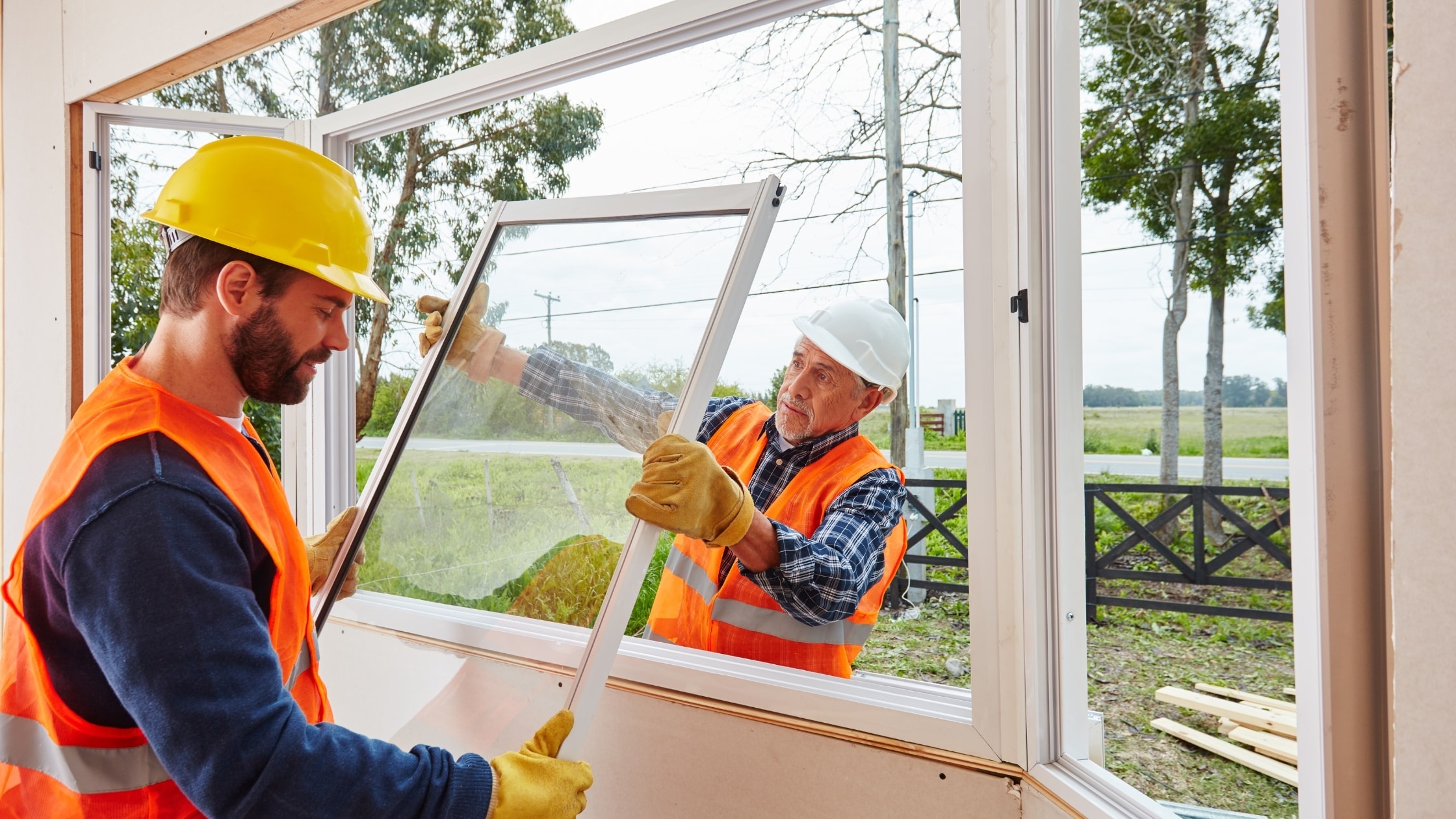
Timing window replacement projects strategically maximizes value and minimizes disruption. Several factors influence optimal replacement timing beyond simple condition assessment.
Proactive replacement before total failure prevents emergency situations requiring rushed decisions. Planning projects during favorable weather allows careful contractor selection and product research. Emergency replacements limit options and often cost more due to urgent timelines.
Phased replacement strategies spread costs while addressing the most problematic windows first. Replace windows showing visible damage, energy efficiency problems, or operational difficulties during initial phases. Complete remaining windows during subsequent projects as budget allows.
Coordinate window replacement with other exterior projects for efficiency and cost savings. Combining windows with siding, roofing, or painting projects reduces setup costs and creates consistent appearances. Discuss multi-project coordination with contractors during planning phases.
Energy efficient improvements from new windows reduce monthly costs while enhancing comfort. Understanding these benefits helps justify replacement investments and guides feature selection.
Modern windows with low emissivity coatings reflect heat while allowing light transmission. These invisible metallic layers reduce heat loss in winter and block solar heat gain in summer. The result creates more comfortable spaces near windows while lowering heating and cooling demands.
Multiple glass panes with insulating gas fills dramatically outperform single pane windows. The sealed space between panes creates thermal barriers that slow heat transfer. Argon or krypton gas fills insulate better than air-filled spaces for maximum efficiency.
Improved energy efficiency from replacement windows reduces environmental impact while lowering energy bills. Less energy consumption for heating and cooling decreases carbon emissions and resource use. These benefits compound over the window’s lifespan for meaningful environmental contributions.
Additional Benefits: Reduce Noise and Dampen Sound

Sound control improvements represent valuable but often overlooked benefits of window replacement. Modern window designs significantly reduce noise compared to old windows with loose seals and single pane glass.
Multiple glass panes dampen sound transmission between exterior and interior environments. The insulating space between panes interrupts sound waves that would otherwise pass directly through single pane windows. Laminated glass options provide enhanced sound control for homes near highways or airports.
Proper seals eliminate gaps that admit noise along with air infiltration. Tight-fitting modern windows block sound pathways that compromise comfort in noisy neighborhoods. These improvements prove particularly valuable in urban settings or near busy roads.
Replace Your Windows for Improved Comfort and Efficiency
Understanding how long windows last helps you plan replacement timing before problems escalate. Material quality, installation precision, climate exposure, and regular maintenance all influence actual window lifespan. Recognizing warning signs like drafty conditions, operational difficulties, visible damage, and energy efficiency problems allows proactive replacement that prevents further damage to your home.
Modern windows deliver dramatic improvements over old windows in energy efficiency, comfort, and appearance. New windows reduce energy bills through improved insulation, enhanced seals, and advanced glass technology. These upgrades create more comfortable living spaces while supporting home value and curb appeal.
The decision to replace your windows represents a significant investment in your home’s performance and your family’s comfort. Quality replacement windows provide decades of reliable service when selected appropriately for your climate and installed by experienced professionals. Don’t wait until windows fail completely to begin planning your replacement project.