
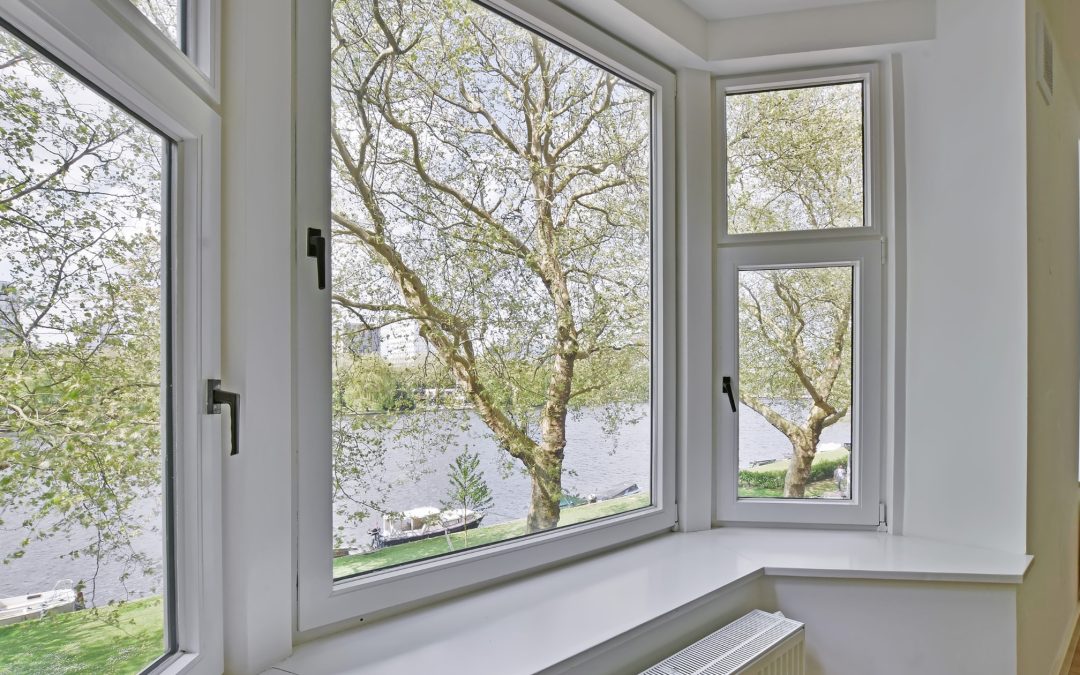
Casement windows vs double-hung windows present distinct advantages depending on your home’s needs and your priorities. Casement windows open outward on hinges and provide excellent ventilation and unobstructed views, while double-hung windows feature two movable sashes and offer versatile airflow control with easy cleaning access. Both window styles deliver quality performance when properly installed, making the choice largely dependent on your specific needs and home design.
Understanding the differences between casement and double hung windows helps homeowners make informed decisions during window replacement projects. Each window style brings unique benefits to different situations. Casement windows excel in hard-to-reach areas like above kitchen sinks, while double hung windows work beautifully in traditional homes where their classic appearance complements architectural details.
NTY Windows serves homeowners throughout Nevada, Arizona, Colorado, Idaho, Utah, and Wyoming with expert guidance on window selection and professional installation. The company helps customers evaluate casement windows and double hung windows based on room functionality, climate considerations, and aesthetic preferences. This comparison explores how each window type performs across key factors including ventilation, energy efficiency, maintenance, security, and style.
Choosing the right window style affects your home’s comfort, appearance, and energy costs for years to come. This guide examines the pros and cons of both options to help you decide which window type best serves your needs.
How Do Double Hung Windows Work?

Understanding the Double Hung Design
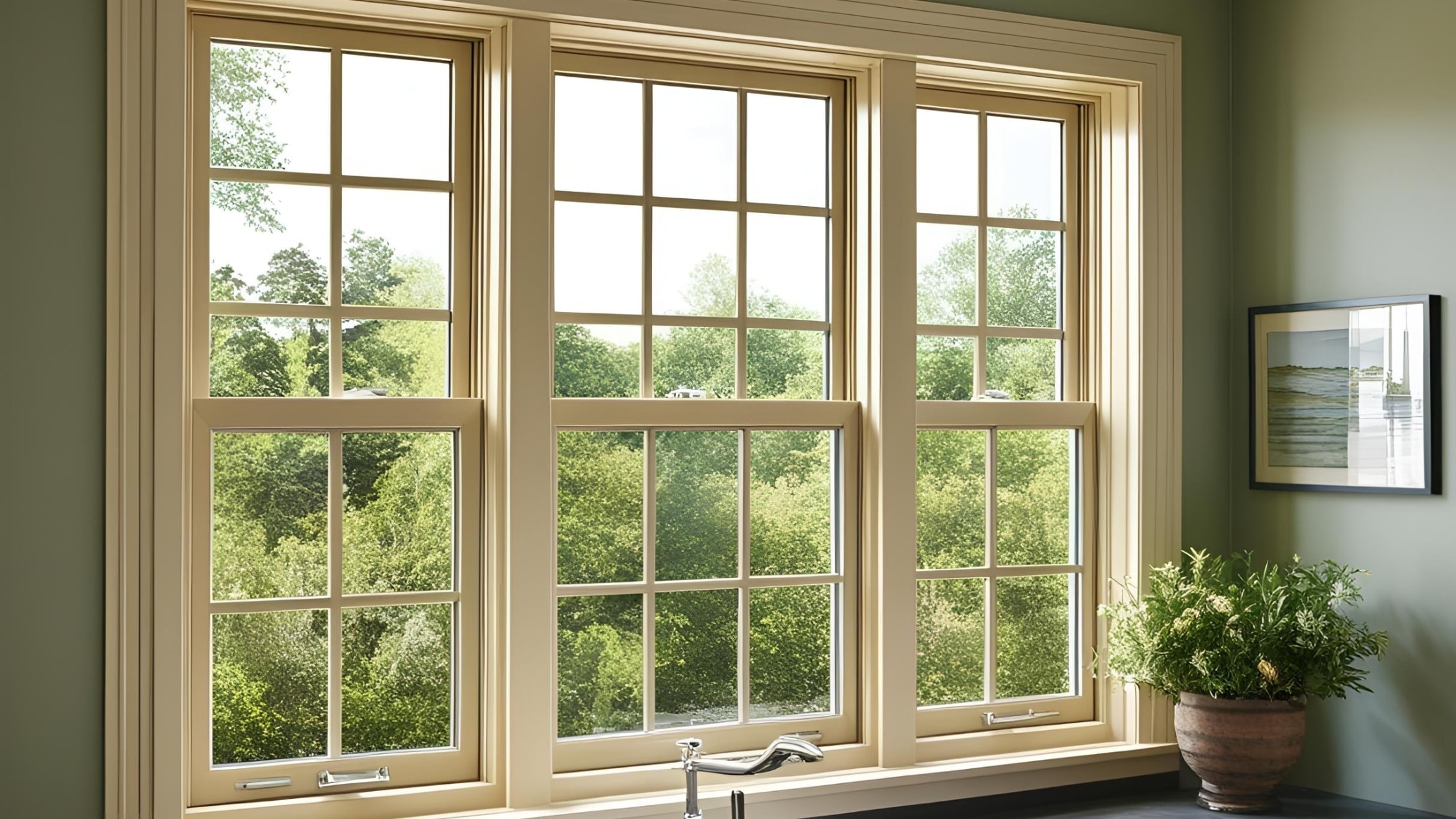
Double hung windows feature two sashes that slide vertically within the window frame, allowing both the upper sash and lower sash to open independently. This design provides flexible ventilation options since you can open the top, bottom, or both sashes simultaneously. The meeting rail where the two sashes connect includes weatherstripping and locking mechanisms that create secure closures when windows remain shut.
Modern double hung windows tilt inward for easy cleaning, allowing homeowners to wash exterior glass surfaces from inside their homes. This convenience makes double hung windows popular for second-story installations where exterior access proves difficult or dangerous. The tilt mechanism releases with simple latches, making window maintenance straightforward for most homeowners.
According to the Window & Door Manufacturers Association, double hung windows represent one of the most popular window types in North American residential construction due to their versatility and familiar operation. Their widespread use means replacement parts and repair services remain readily available, supporting long-term durability.
Operating Double Hung Windows
Double hung windows operate through balance systems that support window sash weight and enable smooth vertical movement. Traditional rope-and-pulley systems have given way to modern spring balances or block-and-tackle mechanisms that require less maintenance and provide more reliable operation. These systems keep windows in any open position without slipping or requiring props.
The ability to control which sash opens gives homeowners precise ventilation control. Opening the top sash releases warm air that naturally rises, while opening the lower sash draws in cool air from outside. This dual-opening capability creates effective air circulation without generating drafts that directly blow on room occupants.
Quick tip: Open both the top and bottom sashes slightly to create a chimney effect that promotes natural air circulation without strong drafts—warm air exits through the top while fresh air enters through the bottom.
How Do Casement Windows Work?

Understanding Casement Window Operation
Casement windows attach to their frames with hinges on one side and open outward like doors using a crank handle mechanism. This design allows casement windows to open fully, typically at 90-degree angles, providing maximum ventilation and unobstructed views when opened. The crank mechanism offers precise control over opening width, making it easy to adjust airflow to desired levels.
The hinged design means casement windows have no middle meeting rail obstructing glass area, creating larger unbroken viewing areas compared to double hung windows of similar dimensions. This expanded glass surface allows more natural light into rooms and provides better views of outdoor spaces. Casement styles work particularly well in contemporary home designs where clean lines and minimal visual interruption matter.
Sealing and Security Features
When closed, casement windows press against their frames, creating a tight seal on all four sides. This compression closure provides excellent weatherproofing and air sealing compared to sliding window types. The crank mechanism locks windows firmly against their frames, making forced entry more difficult than with windows that slide in tracks.
Casement windows lock at multiple points around the frame perimeter rather than at a single meeting rail like double hung windows. This multi-point locking provides better security and more consistent weatherproofing around the entire window perimeter. The windows cannot be opened from outside when locked, offering peace of mind for ground-level installations.
Casement Windows vs Double Hung: Which Is More Energy Efficient?

Comparing Energy Efficiency Performance
Energy efficiency differs between casement and double hung windows primarily due to their sealing mechanisms. Casement windows typically provide more energy efficient performance because they compress against weatherstripping on all four sides when closed. This creates minimal air leaks and better insulation values. Double hung windows seal at the meeting rail and around the sliding sashes, which can develop small gaps over time as weatherstripping wears.
The energy efficiency gap has narrowed with modern manufacturing techniques and materials. Quality double hung windows with proper weatherstripping and tight-fitting sashes perform well in energy tests and provide good insulation. The difference in actual energy savings between well-made casement and double hung windows may be modest in real-world conditions, especially when windows include low-E coatings and quality glass packages.
Did you know? Casement windows can create more energy efficient installations because their compression sealing naturally tightens as wind pressure increases—the harder the wind blows, the tighter the seal becomes.
Features That Impact Energy Efficiency
Both window styles benefit from modern energy-saving technologies:
- Low-E (low emissivity) glass coatings that reflect heat while allowing light transmission
- Multiple panes with insulating gas fills between glass layers
- Improved weatherstripping materials that maintain flexibility across temperature ranges
- Advanced frame materials with thermal breaks that resist heat transfer
- Quality installation that properly seals window frames to wall openings
NTY Windows helps homeowners select energy efficient windows appropriate for their climate zones. Windows designed for Nevada’s hot summers differ from those optimized for Colorado’s cold winters, with glass coatings and gas fills tailored to regional needs.
Which Window Style Offers Better Ventilation?
Casement Window Ventilation Advantages
Casement windows provide superior ventilation because they open fully rather than partially. A casement window can direct breezes into rooms by adjusting the opening angle, essentially acting as a scoop that catches and redirects outdoor air. This makes casement windows excellent choices for capturing cross-breezes in homes where prevailing winds blow from specific directions.
The ability to open casement windows completely also means they provide maximum emergency egress when used in bedrooms. Building codes require bedroom windows to meet minimum opening sizes for emergency escape, and casement windows easily satisfy these requirements when properly sized.
Double Hung Window Ventilation Control
Double hung windows offer more precise ventilation control through their dual-sash operation. Homeowners can create gentle air circulation by opening top and bottom sashes different amounts, fine-tuning airflow to comfort preferences. This control proves valuable in bedrooms where strong breezes disturb sleep or in rooms where papers and lightweight items need protection from wind.
The vertical opening of double hung windows means they don’t project into outdoor spaces like decks, patios, or walkways. This makes double hung windows better choices for locations where open casement windows might obstruct exterior areas or create safety hazards for people passing by.
Casement and Double Hung Windows: Maintenance Differences
Cleaning and Maintenance Requirements
Double hung windows with tilt features simplify exterior glass cleaning from inside the house. The sashes tilt inward, providing full access to outside glass surfaces without ladders or special equipment. This easy cleaning capability makes double hung windows practical for upper-story applications where exterior access requires scaffolding or professional services.
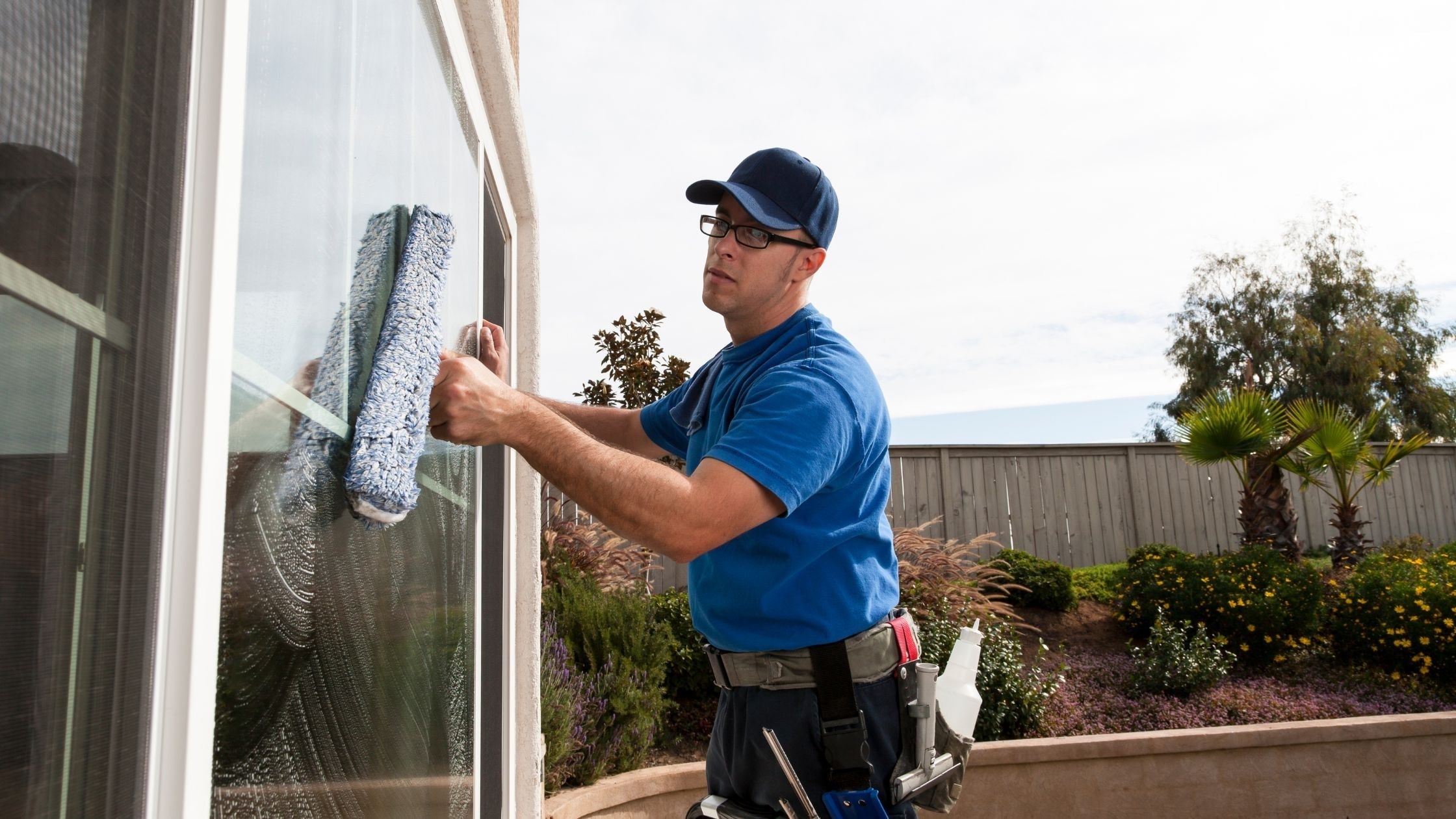
Casement windows require reaching outside to clean exterior glass unless you can access them from ground level. While the fully opened position provides good access to glass when cleaning from outside, second-story casement windows present cleaning challenges. Some homeowners hire professional window cleaning services for upper-level casement windows.
Long-Term Durability and Repairs
Casement windows have fewer moving parts than double hung windows, potentially requiring less maintenance over their lifespan. The crank mechanism represents the primary mechanical component needing occasional attention. Quality crank operators last many years with minimal maintenance, though they can be replaced if they fail.
Double hung windows include more complex balance systems and moving parts that may require maintenance or replacement. Modern balance systems prove reliable, but weatherstripping along sliding surfaces can wear faster than compression seals on casement windows. Both window types benefit from periodic cleaning and lubrication of moving parts to maintain smooth operation.
Quick tip: Apply silicone-based lubricant to window tracks, hinges, and moving parts annually to prevent sticking and extend mechanical life—avoid oil-based products that attract dust and debris.
Casement vs Double Hung: Which Provides Better Security?
Security Comparison
Casement windows offer better security due to their hook-style locks that embed into the window frame when closed. These locks engage on all four sides, making casement windows difficult to force open from outside. The mechanical advantage of the hook design requires substantial force to defeat, deterring break-in attempts.
Double hung windows lock at the meeting rail where upper and lower sashes meet. While modern locks provide good security, they secure windows at fewer points than casement designs. Some double hung windows include additional locks at the side jambs for enhanced security, improving resistance to forced entry.
Safety Considerations
Both window types can incorporate safety features including tempered or laminated glass, child safety locks that prevent full opening, and screens that remain in place when windows open. Casement windows opening outward pose minor safety concerns in high-traffic exterior areas where open windows might contact people. Double hung windows opening vertically don’t project into spaces, eliminating this concern.
What Window Style Works Best for Different Rooms?
Choosing Windows for Specific Locations
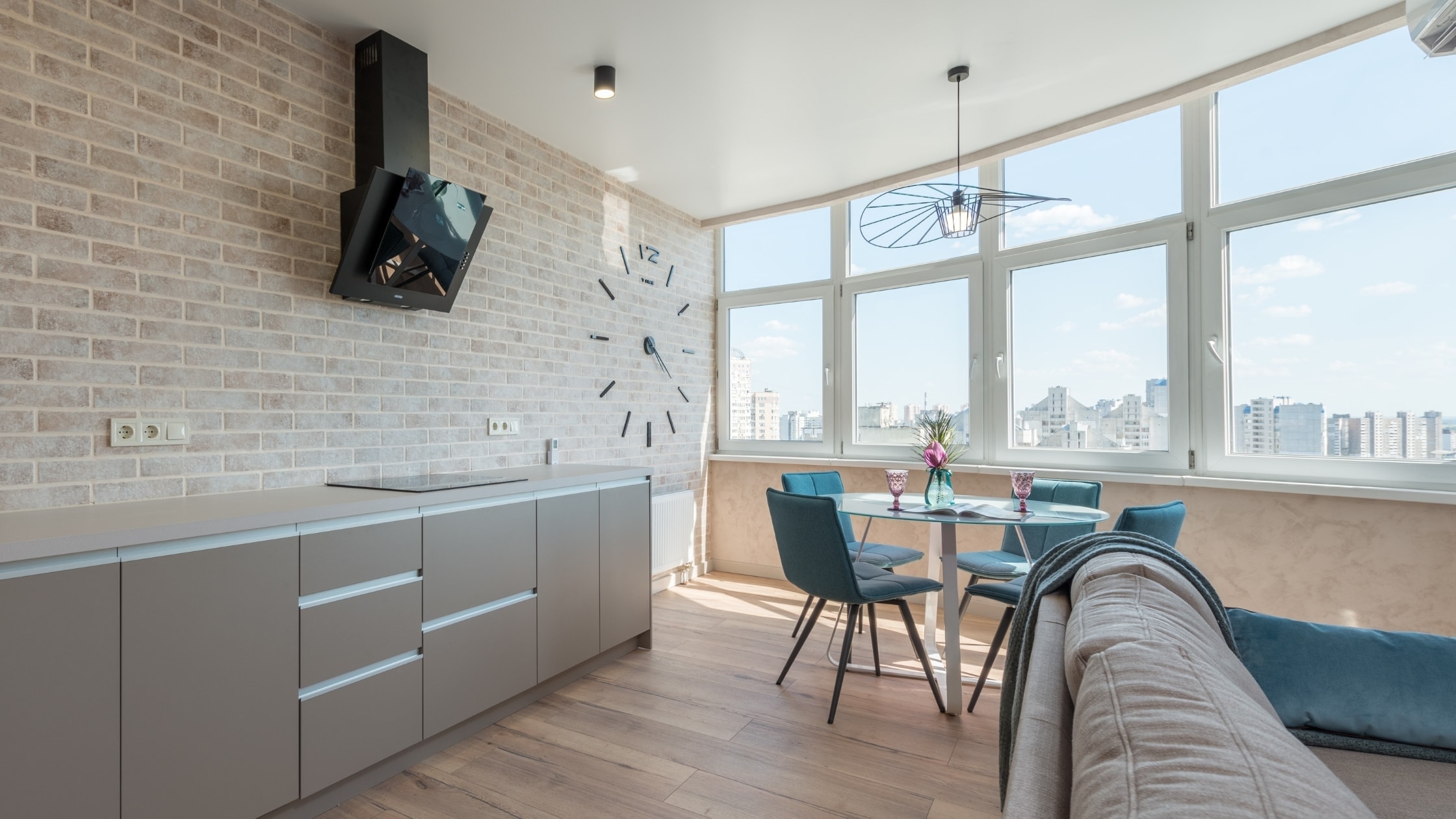
Kitchen windows above sinks benefit from casement designs that open with easy-to-reach crank handles. The outward opening clears counter space and fixtures, while the full opening provides excellent ventilation for cooking odors. Many homeowners prefer casement windows in kitchens for these practical advantages.
Bedrooms work well with either style depending on preferences. Double hung windows suit traditional homes and provide gentle ventilation control, while casement windows offer better security and energy efficiency. Bathroom windows often use casement styles for privacy and ventilation, though frosted or obscured glass works with either window type.
Living rooms and dining rooms accommodate both window types based on architectural style and desired aesthetics. Traditional homes typically feature double hung windows that complement their classic appearance, while contemporary homes often incorporate casement windows with clean lines and minimal visual interruption.
Architectural Style Considerations
Double hung windows suit traditional homes including Colonial, Federal, and Victorian styles where they maintain historical accuracy. Their divided light patterns and proportional designs honor architectural heritage while incorporating modern performance features. These windows integrate seamlessly into neighborhoods with period architecture.
Casement windows complement modern and contemporary home designs with their simple operation and unobstructed glass areas. They also work well in Craftsman and Prairie-style homes where their clean functionality aligns with architectural principles. Selecting windows that match your home’s style maintains cohesive exterior appearance and protects property values.
Frequently Asked Questions About Casement vs Double Hung Windows
Which is better, casement or double hung windows?
Neither window style is universally better—the right choice depends on your specific needs and priorities. Casement windows provide superior ventilation, better energy efficiency, and enhanced security, making them excellent for modern homes and hard-to-reach locations. Double hung windows offer easier cleaning, more precise airflow control, and better suit traditional architecture. Consider your home’s style, room functions, and personal preferences when deciding between these window types.
Are casement windows more expensive than double hung windows?
Casement and double hung windows typically fall in similar price ranges when comparing quality levels and features. Actual costs depend on size, materials, glass options, and hardware selections rather than window style alone. Both window types are available across price ranges from budget-friendly to premium options. NTY Windows provides transparent pricing for both casement and double hung windows during consultations, helping homeowners understand costs for their specific projects.
Can you replace double hung windows with casement windows?
Yes, you can replace double hung windows with casement windows, though the project may require some frame modifications depending on existing opening sizes and configurations. Casement windows typically need slightly different rough openings than double hung windows due to their hinged operation. Professional installers evaluate existing openings and determine necessary modifications during initial assessments. For comprehensive guidance on window replacement processes, review the ultimate guide to window replacement.
Do casement windows seal better than double hung windows?
Casement windows generally create tighter seals because they compress against weatherstripping on all four sides when closed. This compression sealing minimizes air leaks and enhances energy efficiency. Double hung windows seal at the meeting rail and around sliding sashes, which can develop small gaps over time. However, quality double hung windows with proper installation and maintenance provide good sealing performance that meets most homeowners’ needs for comfort and energy efficiency.
Which window type is easier to open and close?
Double hung windows require vertical sliding motion that some people find easier than operating casement crank handles, particularly for individuals with limited hand strength. However, modern casement windows use smooth-operating crank mechanisms requiring minimal effort. The best choice depends on personal preferences and physical capabilities. Both window types can incorporate easy-operation features for improved accessibility and convenience.
Should I choose casement or double hung windows for second-story rooms?
Double hung windows with tilt-in sashes offer significant advantages for second-story installations due to easy cleaning access from inside. Casement windows on upper floors require exterior cleaning access, which may necessitate ladders or professional services. However, if security and energy efficiency are priorities, casement windows may justify the cleaning inconvenience. Consider maintenance accessibility alongside other factors when selecting windows for upper-level rooms.
What are single hung windows and how do they compare?
Single hung windows feature only one movable sash (typically the lower sash) while the upper sash remains stationary. They cost less than double hung windows but provide less ventilation flexibility and cannot tilt both sashes for cleaning. Single hung window styles work for budget-conscious projects or historic renovations matching original windows. For detailed comparison of single versus double-hung options, see the article on single vs. double-hung windows that explores these differences comprehensively.
Making the Right Window Choice for Your Home
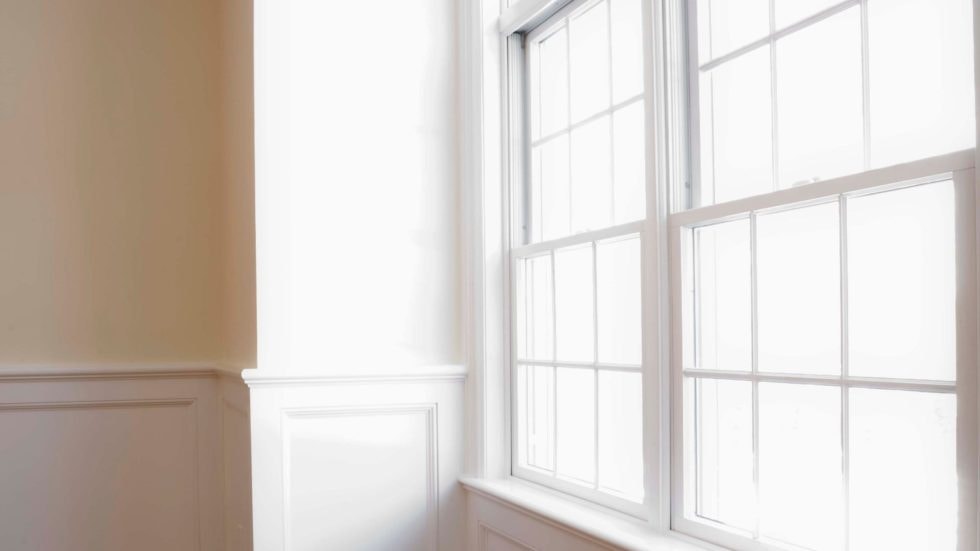
Selecting between casement windows and double hung windows requires evaluating multiple factors including architectural style, room function, climate conditions, and personal preferences. Both window types deliver quality performance when manufactured well and installed properly. Understanding their distinct characteristics helps homeowners choose windows that serve their needs effectively while complementing their home’s design.
Consider your priorities when making window decisions. Homeowners who value maximum ventilation, superior energy efficiency, and modern aesthetics often prefer casement windows. Those who prioritize easy maintenance, traditional styling, and precise airflow control typically choose double hung windows. Many homes benefit from using both window styles in different locations based on room-specific requirements.
NTY Windows helps homeowners throughout Nevada, Arizona, Colorado, Idaho, Utah, and Wyoming evaluate replacement windows based on their unique situations. The company offers both casement and double hung window options in various materials, colors, and configurations to match any home style and performance requirement. Professional installation ensures windows perform as designed, delivering expected benefits for energy savings, comfort, and durability.
Ready to explore which window style works best for your home? Contact NTY Windows for a consultation to discuss your needs, examine window options, and receive expert recommendations. The team provides transparent information to help you make confident window replacement decisions that enhance your home’s comfort, efficiency, and value for years.