

Choosing between replacement vs new construction windows is one of the most important decisions homeowners and builders face during window projects. While both options serve the same fundamental purpose of bringing natural light and ventilation into your home, they differ significantly in design, installation methods, cost, and ideal applications. Understanding the distinction between replacement vs new construction windows helps ensure you select the right window type for your specific situation, whether you’re renovating an existing home or building from the ground up.
Understanding Replacement Windows
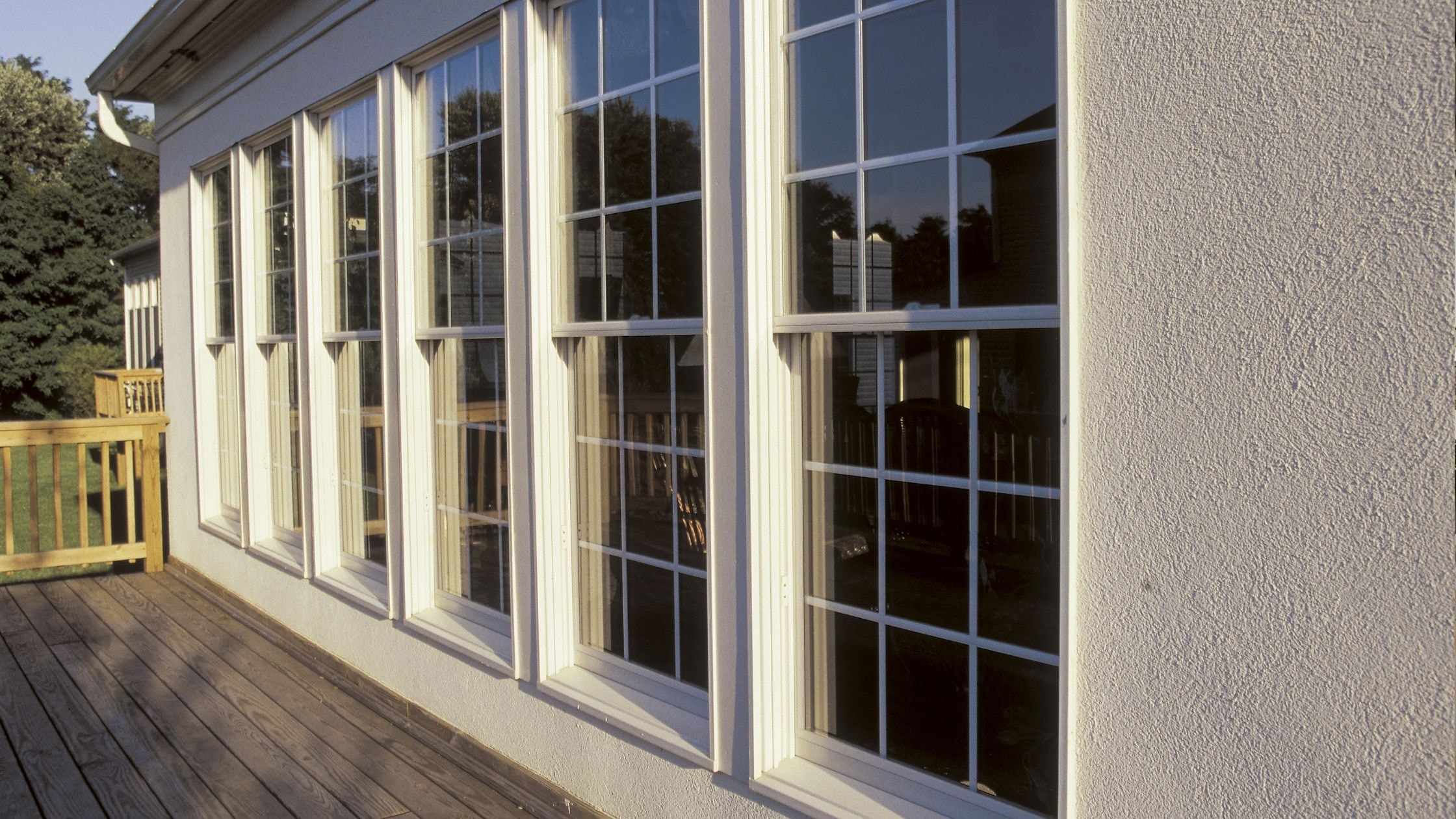
Replacement windows are specifically designed to fit within existing window openings without disturbing the surrounding walls, siding, or interior trim. These windows work within the constraints of your current window frames, making them the go-to solution for homeowners looking to upgrade leaky windows, aging existing windows, or inefficient units without undertaking major renovations.
Quick tip: Most replacement window installations take just a few hours per window, allowing you to upgrade your entire home room by room without major disruption to your daily life.
The beauty of replacement windows lies in their efficiency. When you choose replacement windows, installers remove only the old window sashes and hardware while leaving the original frame intact. Pocket replacement windows, also called insert replacement windows, slide directly into existing window frames without requiring frame removal. This approach minimizes disruption to your home’s exterior and interior finishes. You won’t need to repaint walls, replace siding, or repair stucco after installing replacement windows—a significant advantage for occupied homes.
However, insert replacement windows do have one notable trade-off. Because pocket replacement windows are designed to fit inside existing window frames, these windows typically have slightly smaller glass areas compared to the original windows. The new frame must fit within the old opening, which means you’ll lose a small amount of visible glass space. For most homeowners, this minor reduction is a worthwhile compromise given the convenience and cost savings of avoiding full frame replacement windows.
Modern replacement windows come in various styles to match any home aesthetic. Whether you need double-hung, casement, or sliding configurations, manufacturers offer replacement options that blend seamlessly with your home’s architecture while delivering contemporary energy efficiency features. Installing replacement windows is straightforward when you work with experienced professionals who understand how to properly fit units into existing openings while maintaining the structural integrity of your home. If your existing windows are in good shape structurally but just need updating, replacement windows make perfect sense.
Understanding New Construction Windows

New construction windows, sometimes called full frame replacement windows, include a complete frame with attached nailing fins that allow installers to secure the window directly to the wall studs during construction or major renovations. These windows represent the standard choice for new home builds and situations where you’re working with exposed wall framing.
Did you know? The nailing fins on new construction windows aren’t just for attachment—they create an integrated flashing system that provides superior protection against water infiltration when properly installed.
The defining feature of new construction windows is their comprehensive installation method. Because full frame replacement windows involve removing the entire window unit—including the frame, sash, and trim—down to the rough opening, installers can secure new construction windows directly to your home’s structural framing. This process requires siding removal and trim removal to access the wall studs, along with careful attention to exterior materials during reinstallation. This approach ensures optimal structural integrity and creates opportunities to address hidden issues like water damage, inadequate insulation, or rot in the surrounding window frames.
When you install new construction windows during a building project or complete renovation, you’re essentially starting with a clean slate. The nailing fins on new construction windows provide a weather-tight seal when properly installed with appropriate flashing and weather-resistant barriers. This installation method is considered the gold standard for window installation because it maximizes energy efficiency and longevity.
Both construction and replacement windows may look identical from the street, but construction and replacement windows differ substantially in their installation requirements and structural components. Understanding construction and replacement windows helps you communicate effectively with contractors and make informed decisions about your window project.
Key Differences in Installation Methods
The installation process represents the most significant distinction between these two window types. With replacement windows, the existing window frame serves as the foundation for the new unit. Installers measure the interior dimensions of the existing window frame precisely, then custom-order replacement windows to fit those specifications. On installation day, they remove the old sashes, clean and prepare the frame, and complete the insert window installation by securing the new replacement window unit into the existing opening. The entire process typically takes just a few hours per window installation, with minimal mess and disruption. You won’t need to touch interior trim or exterior finishes.
New construction windows demand a more extensive installation method. The process begins with complete removal of the entire window, including the frame and surrounding trim. Installers then inspect and prepare the rough opening, ensuring the framing is square, level, and structurally sound. They apply weather-resistant barriers and flashing materials before positioning the new window and securing it through the nailing fins directly into the wall studs. After securing the window, they seal all gaps, add insulation around the perimeter, and then replace or install new interior trim and exterior finishes.
This comprehensive approach to installing new construction windows provides opportunities to upgrade insulation, address moisture issues, and ensure your windows meet current building codes. However, it also requires more labor, materials, and time, which translates to higher costs.
When to Choose Replacement Windows
Replacement windows shine in several common scenarios. If you live in an established home with existing windows that function poorly due to age, drafts, or outdated single-pane glass, replacement windows offer an excellent solution. The installation process causes minimal disruption—no need to move furniture far from walls, and your home remains weather-tight throughout the project.
Did you know? Replacement windows can reduce outside noise by up to 50% compared to old single-pane units, creating a quieter, more peaceful home environment.
Homeowners appreciate replacement windows when the existing window frames are in good condition but the sashes have deteriorated. Why tear out perfectly sound window frames when you can simply update the operating components? This approach conserves materials, reduces waste, and saves money while still delivering modern energy efficient features like improved energy efficiency, easier operation, and enhanced curb appeal.
Budget considerations often favor replacement windows as well. Because the installation is less invasive and time-consuming, labor costs remain lower than full frame window replacement projects. You’ll also avoid expenses related to repairing siding, repainting, or replacing interior trim that would be necessary with full frame window replacement.
For homeowners planning to stay in their homes long-term, insert replacement windows provide an excellent return on investment. You’ll immediately notice improved comfort, lower energy bills, easier window operation, and energy efficient features that reduce heating and cooling costs. The Ultimate Guide to Window Replacement offers detailed strategies for planning and budgeting your replacement window project.
When New Construction Windows Make Sense

New construction windows become the logical choice in several specific situations. Obviously, if you’re building a new home during the construction phase, new construction windows are your only practical option. Both new construction windows and the nailing fins installation method align perfectly with the construction sequence, allowing builders to integrate windows seamlessly with the home’s weather barrier system. The window is nailed directly to the wall studs through pre-drilled holes in the nailing fins, creating a secure attachment to the block frame structure.
Major renovations also call for new construction windows. When you’re undertaking room additions, removing walls, or doing extensive remodeling that exposes wall framing and studs, installing new construction windows makes perfect sense. You’ve already committed to the disruption and expense of major construction, so why not start fresh with windows that offer maximum performance and longevity? The process involves securing the unit to the sill and door frame opening.
Situations involving significant window frame damage—such as rot, structural issues, or poor original installation—demand full frame window replacement. In these cases, trying to work within a compromised existing frame would be false economy. Removing everything down to the studs allows you to address underlying problems, ensure proper installation, and protect your investment in new windows.
Historic renovations sometimes require new construction windows to maintain authentic proportions. Because replacement windows reduce the visible glass area, preserving the original aesthetic of historic homes may necessitate complete window replacement that maintains the original opening size and sight lines.
Comparing Energy Efficiency
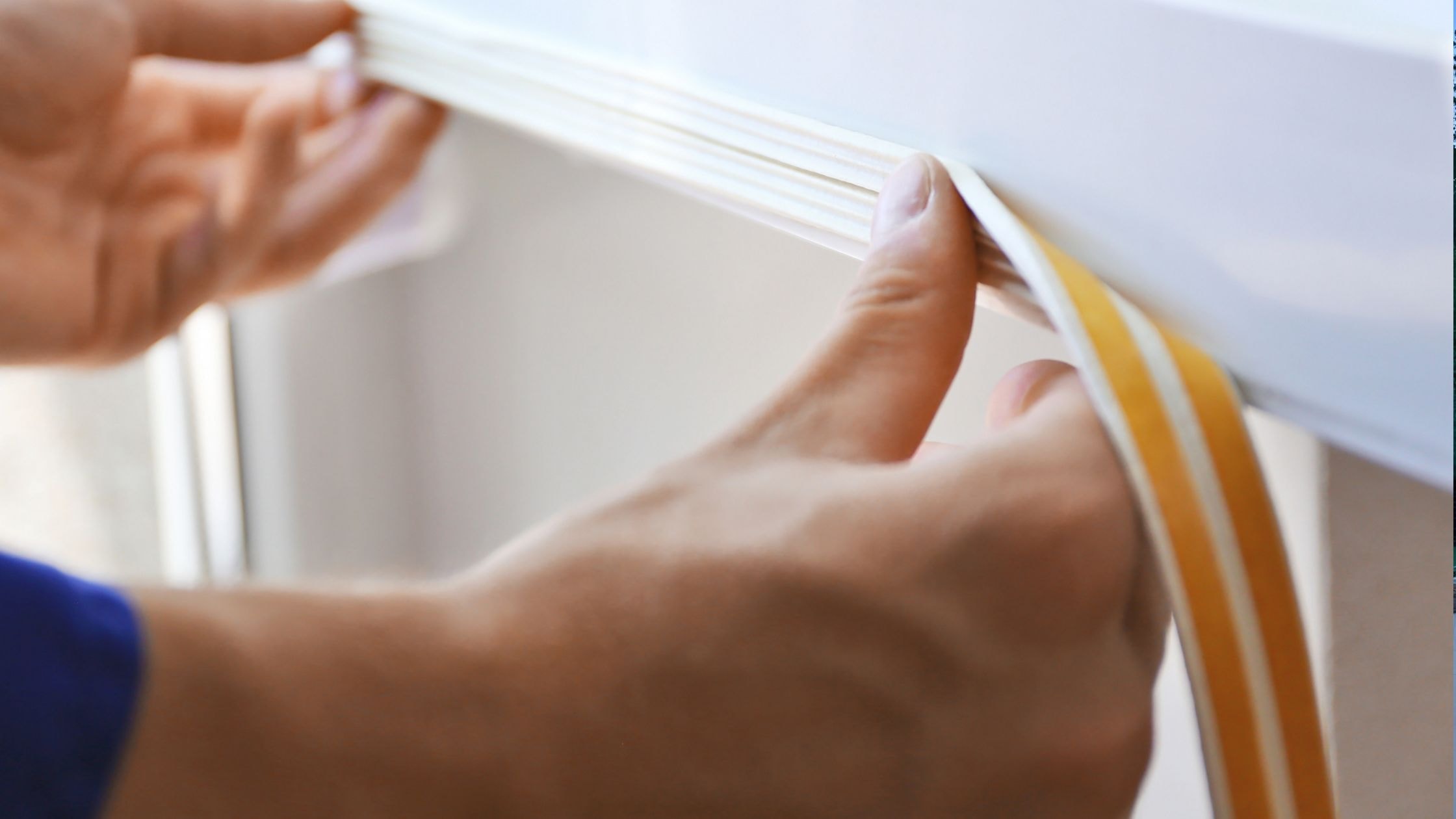
Both replacement windows and new construction windows can deliver excellent energy efficiency when properly selected and installed. Modern window technologies—including low-E glass coatings, argon or krypton gas fills, and advanced frame materials—are available in both window types. Even semi effective older windows in good condition can be upgraded to perform better, though windows in poor condition should be replaced. Your choice of frame material also impacts performance, and understanding the pros and cons of vinyl windows can help you make the best decision for your specific needs and climate.
However, new construction windows have a slight advantage in achieving optimal energy efficiency. Because full frame window installation involves complete control over the entire window system, including the connection to the wall structure, installers can maximize insulation around the window perimeter and ensure perfect sealing. The nailing fins provide an integrated flashing system that, when properly placed and installed, creates a superior barrier against air and water infiltration. This matters especially in older climates where extreme temperatures—from east to west facing exposures—put extra demands on window performance.
That said, quality replacement windows or retrofit windows installed by skilled professionals can approach the same energy efficiency levels. The key lies in proper sizing, professional installation, and attention to air sealing around the perimeter. Many homeowners achieve substantial energy savings with replacement windows, particularly when replacing old, single-pane, or poorly performing units. While older windows may have limited insulation capabilities, modern replacements dramatically improve performance.
If energy efficiency is your primary concern, focus less on whether you choose replacement or new construction windows and more on selecting products with excellent ENERGY STAR ratings for your climate zone. The Department of Energy provides comprehensive guidance on selecting and installing energy-efficient windows regardless of type.
Cost Considerations and Return on Investment
Budget realities influence most window decisions, and the cost difference between replacement windows and new construction windows can be substantial. Replacement windows typically cost 30-50% less than new construction windows when you factor in both materials and labor. This makes insert window installation a popular choice for homeowners working within a budget.
The price difference stems from several factors. Replacement windows require less labor since installers don’t need to remove and replace trim, patch stucco or siding, or repaint. Material costs remain lower because you’re not purchasing new trim, exterior cladding materials, or as much flashing and weather barrier products. For homeowners replacing multiple existing windows throughout a house, these savings add up quickly. Full frame window replacement, on the other hand, involves significantly higher costs due to the extensive labor and materials required.
New construction windows involve higher upfront costs but may deliver better long-term value in specific situations. When you’re addressing structural issues with existing windows, improving insulation, or ensuring your windows will last decades without problems, the extra investment in full frame window replacement often proves worthwhile. This is especially true when existing windows show signs of frame deterioration that can’t be addressed through simple replacement.
Return on investment calculations should consider more than just initial expenses. Energy savings, improved comfort, reduced maintenance, and potential increases in home resale value all factor into the equation. Quality windows—whether replacement or new construction—typically recoup a significant portion of their cost when you sell your home, with national averages suggesting you’ll recover 70-75% of your full frame window replacement investment costs.
Frequently Asked Questions
What’s the main difference between new construction and replacement windows?
The primary difference lies in the installation method. Replacement windows fit into your existing window frames, leaving the original frame structure intact. New construction windows include a complete frame with nailing fins and are installed directly into the wall studs after removing the entire existing window unit. Replacement windows work best for updating existing homes, while new construction windows are ideal for new builds or major renovations.
Can you install new construction windows in an existing home?
Yes, you can install new construction windows in an existing home, but it requires removing the entire existing window frame down to the rough opening. This process is more invasive and expensive than installing replacement windows because it involves disturbing siding, trim, and potentially interior walls. However, installing new construction windows in this manner makes sense when existing frames are damaged or when you’re undertaking major renovations.
Are replacement windows less energy efficient than new construction windows?
Not necessarily. Both window types can achieve excellent energy efficiency when properly selected and installed. New construction windows may have a slight advantage because their installation method allows for optimal insulation and sealing around the entire frame. However, quality replacement windows installed by professionals can deliver comparable energy performance, especially when replacing old or inefficient units.
How long does professional installation take for replacement windows versus new construction windows?
Replacement windows typically install much faster—often just 1-2 hours per window—because installers only replace the sash and operating components while leaving the existing frame. New construction windows require 3-4 hours or more per window because the process involves removing the entire unit, preparing the opening, installing weather barriers and flashing, securing the new window, and replacing all trim.
Do replacement windows reduce the size of my window frames?
Yes, replacement windows typically result in slightly smaller glass areas because the new window frame must fit inside the existing frame. However, this reduction is usually minimal—often just 1-2 inches total—and most homeowners find the trade-off worthwhile given the convenience and cost savings of avoiding major renovations.
Making Your Window Installation Decision
The choice between replacement windows and new construction windows ultimately depends on your specific circumstances. Evaluate your project scope, budget, home condition, and long-term plans carefully before deciding. Understanding both construction windows and new installation methods helps you make an informed choice.
Choose replacement windows if your existing frames are sound, you want to minimize disruption and costs, and you’re primarily concerned with updating appearance and improving energy efficiency. This option works beautifully for most existing home scenarios where windows need updating but major structural work isn’t required. You can often damage save money while still achieving excellent results.
Select new construction windows when building new, undertaking major renovations, dealing with damaged frames, or wanting the absolute best installation for long-term performance. While more expensive and disruptive, this approach provides peace of mind that your windows are installed correctly and will perform optimally for decades.
Regardless of which option you choose, working with experienced professionals ensures quality results. Research local contractors, obtain multiple quotes, verify licensing and insurance, and ask for references. Many contractors offer a no obligation quote to help you understand your options. Quality installation matters as much as quality products when it comes to window performance and longevity.
Whether you ultimately select replacement windows or new construction windows, your investment in better windows will pay dividends in improved comfort, reduced energy costs, easier maintenance, and enhanced home value. Take time to understand your options, consult with qualified professionals, and choose windows that align with both your immediate needs and long-term homeownership goals.