

Single pane vs double pane windows represent vastly different approaches to home comfort and energy efficiency. Double pane windows feature two glass layers separated by an insulating gap, delivering superior insulation, noise reduction, and energy savings compared to single pane windows that consist of just one layer of glass. Upgrading from single pane to double pane typically reduces energy bills by 20-30% while improving indoor comfort year-round.
Window glass technology has evolved dramatically over recent decades. Single pane windows dominated construction through the mid-20th century when energy costs remained low and insulation standards didn’t exist. Today, double pane counterparts have become the standard for new construction and replacement projects across Nevada, Arizona, Colorado, Idaho, Utah, and Wyoming.
The key differences between these window types affect more than just energy bills. Double pane options reduce outside noise, prevent condensation, protect furnishings from UV rays, and help HVAC systems work more efficiently. Understanding what separates single pane from double pane windows helps homeowners make smart upgrade decisions.
What Are Single Pane Windows?
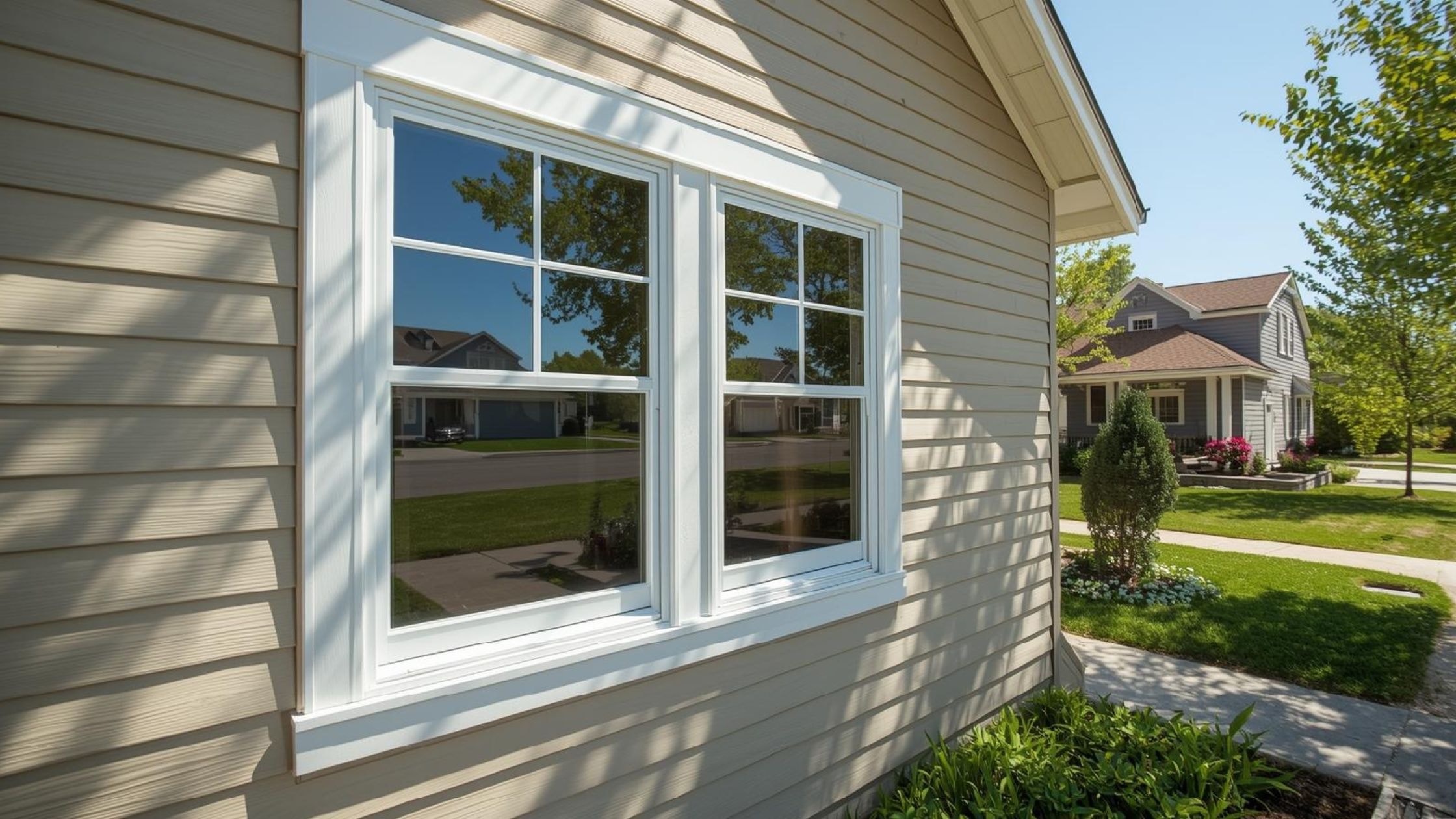
Single pane windows consist of a single sheet of glass set within a window frame. This basic design offers minimal insulation against temperature transfer or sound waves. One pane of glass provides only a thin barrier between outdoor air and indoor spaces.
These older windows served homes adequately when heating and cooling costs remained negligible. However, single pane counterparts to modern windows create significant energy waste in today’s climate-conscious world. The single layer allows heat to escape rapidly during winter and permits heat transfer into homes during summer months.
Most single pane windows lack the low E coatings and insulating gas found in modern designs. This absence of technology means poor insulation performance regardless of frame quality. Many homeowners discover that existing windows with single pane construction cost them significantly more in monthly energy bills than replacement would.
How Do Double Pane Windows Work?
Double pane windows feature two panes of glass separated by an insulating gap, typically filled with argon gas or krypton gas. This construction creates a thermal barrier that dramatically reduces heat transfer between indoor and outdoor environments. The gas layer between two sheets of glass insulates far better than air alone.
The insulating gap measures between 1/2 inch and 3/4 inch in most double pane glass configurations. This spacing optimizes thermal performance while maintaining structural integrity. Too narrow and the insulation suffers; too wide and convection currents form between the glass layers, reducing efficiency.
Double pane windows typically include low E coatings on one or both glass surfaces. These microscopic metallic layers reflect infrared heat while allowing visible light to pass through. The coating helps keep homes warmer in winter by reflecting interior heat back inside, and cooler in summer by reflecting exterior heat away.
Did you know? The insulating gas in double pane windows remains effective for 15-20 years before gradual leakage reduces thermal performance, though quality seals can extend this considerably.
Single Pane vs Double Pane: Key Differences That Matter
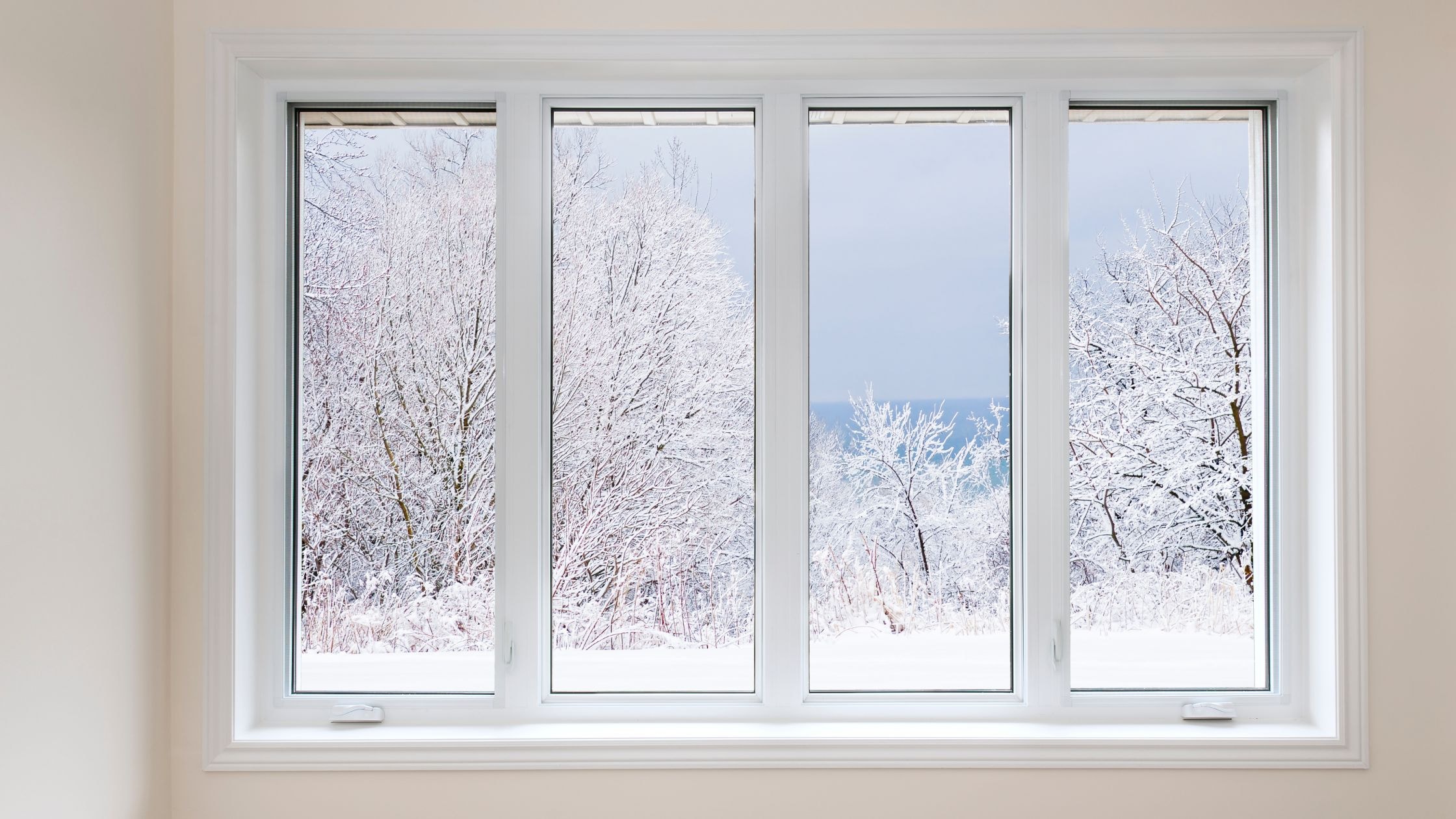
Understanding the practical differences between single or double pane construction helps explain why upgrading makes financial sense. These distinctions affect daily comfort, long-term costs, and home value.
Energy Efficiency and Utility Bills
Energy efficiency represents the most significant advantage of double pane over single pane windows. Two glass layers with insulating gas between them create better insulation than one layer of glass can achieve. According to the U.S. Department of Energy, upgrading to energy efficient windows can reduce household energy costs by up to 25% annually.
Single pane windows allow rapid heat exchange that forces HVAC systems to work continuously. The extra layer in double pane construction maintains comfortable indoor temperature with less heating and cooling. This efficiency translates to lower cooling costs in summer and reduced heating expenses during winter.
The upfront cost of double pane windows pays back through energy savings over time. Most homeowners recover their investment within 8-12 years through reduced utility bills. Homes in extreme weather regions see even faster payback periods.
Noise Reduction Makes Homes More Peaceful
Noise reduction improves dramatically with double pane windows compared to single pane options. The two panes of glass with a gas layer between them absorb sound waves more effectively than a single sheet can. This added insulation dampens traffic noise, neighbor sounds, and outdoor activity.
The insulating gap disrupts sound transmission by creating a buffer zone. Sound waves lose energy as they travel through the first pane, cross the gas-filled space, and hit the second pane. This multi-barrier approach reduces noise penetration by 20-60% depending on glass thickness and gas type.
Homes near busy streets, airports, or commercial areas benefit most from the noise reduction double pane windows provide. Many homeowners report better sleep quality and reduced stress after upgrading from single pane counterparts. The acoustic benefits alone justify the investment for properties in noisy locations.
Quick tip: Laminated glass in one or both panes enhances noise reduction even further while adding security benefits and UV protection.
Condensation Problems and Moisture Control
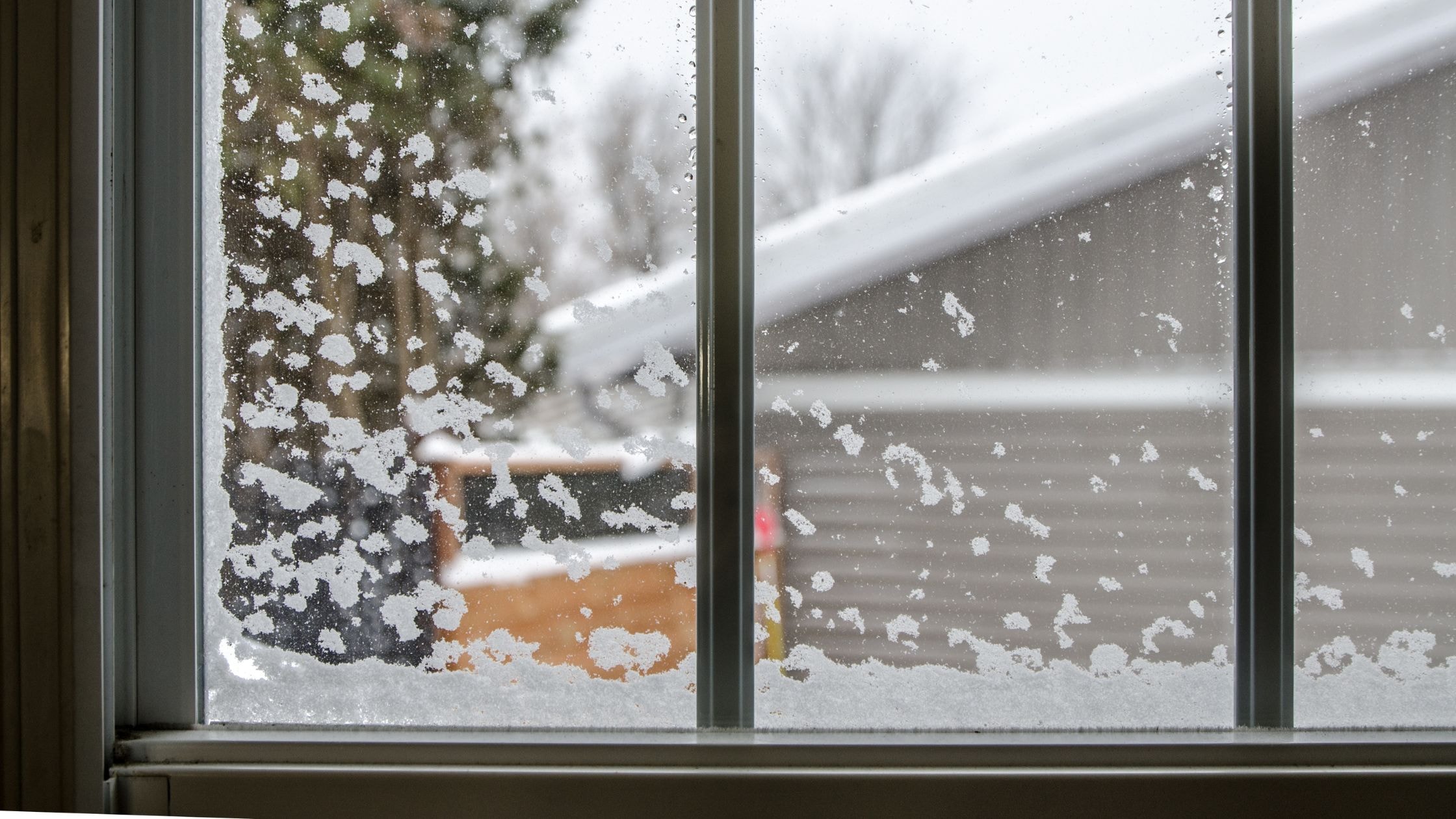
Single pane windows develop condensation readily during cold weather because the indoor glass surface temperature drops near the dew point. This moisture causes window frame damage, mold growth, and aesthetic issues. The single layer provides no thermal buffer against exterior cold.
Double pane windows with double layers of glass rarely develop condensation problems. The inner pane maintains temperature closer to indoor air temperature, staying above the dew point even in frigid conditions. This prevents moisture buildup that damages window frames and surrounding walls.
Condensation between panes signals seal failure in double pane glass units. Once the hermetic seal breaks, moisture enters the insulating gap and creates permanent fogging. This condition requires glass replacement, though it typically takes 15-20 years to develop in quality windows.
UV Protection Preserves Your Belongings
UV rays penetrate single pane glass freely, fading furniture, flooring, and artwork exposed to direct sunlight. This damage accumulates over years and represents hidden costs of poor window performance. One pane offers essentially no UV filtering without special coatings.
Double pane windows with low E coatings block up to 99% of harmful UV rays while maintaining natural light levels. The coating reflects ultraviolet wavelengths that cause fading while allowing visible light through. This protection extends the life of carpets, wood floors, upholstery, and decorative items.
The added layer in double glazed windows provides some UV protection even without coatings. Two layers of glass absorb more UV than single pane designs. However, low E coatings deliver the maximum protection most homeowners want.
What About Triple Pane Windows?

Triple pane windows take insulation further by adding a third pane and second insulating gas layer. Three panes of glass separated by two gas-filled spaces provide maximum thermal performance. These windows excel in extreme weather regions where heating and cooling costs run highest.
The additional pane increases weight significantly, requiring stronger window frames and hardware. This construction makes triple pane windows more expensive than double pane options. However, homes in harsh climates may justify the added insulation through greater energy savings.
Triple pane windows deliver superior noise reduction compared to double pane designs. The extra layer absorbs more sound waves, making these windows ideal for homes near highways, airports, or industrial areas. The acoustic benefits often outweigh energy considerations for noise-sensitive locations.
Did you know? Triple pane windows provide diminishing returns in moderate climates where double pane performance already meets most energy needs efficiently.
When Should You Upgrade Your Existing Windows?

Several factors indicate when upgrading from single pane to double pane makes sense financially and practically. Recognizing these signs helps homeowners time their investment appropriately.
Consider upgrading when you notice:
- Drafts around window frames even when closed
- Condensation forming on interior glass surfaces
- Difficulty maintaining comfortable indoor temperature
- High energy bills despite efficient HVAC systems
- Exterior noise disrupting indoor activities
- Fading furniture or flooring near windows
Age alone justifies replacement consideration. Window lifespan varies by type and quality, but single pane windows beyond 30 years old rarely perform acceptably by modern standards. Even if they still open and close, the energy waste and comfort loss argue for replacement.
Storm window additions can improve single pane performance temporarily. However, this approach costs money without delivering the full benefits of proper double pane construction. True double pane windows provide better insulation, easier operation, and improved aesthetics compared to storm window solutions.
How to Choose the Right Double Pane Windows
Selecting quality double pane windows requires understanding several specifications beyond just having two layers of glass. These factors determine long-term performance and satisfaction.
Glass Package Options
Standard double pane windows use clear glass with argon gas fill. This configuration suits most climates and applications effectively. Low E coatings add energy efficiency at minimal cost increase, making them standard in quality windows.
Tinted or reflective glass reduces solar heat gain in hot climates while maintaining the insulating gap benefits. These options help reduce cooling costs in desert regions like Nevada and Arizona. The tinting blocks heat while still allowing natural light.
Laminated glass adds safety and security by sandwiching a plastic interlayer between glass sheets. This construction holds glass fragments together if broken, deterring intruders and protecting occupants. Laminated glass also enhances noise reduction significantly.
Frame Material Affects Overall Performance
Window frame choices include vinyl, wood, aluminum, and fiberglass. Each material offers different benefits for supporting double pane glass. Frame selection should match climate conditions and maintenance preferences.
Vinyl frames provide excellent insulation and require minimal maintenance. Wood frames offer traditional aesthetics but need regular care. Aluminum frames create slim profiles but conduct heat unless thermally broken. Fiberglass combines strength with insulation but costs more.
The frame material contributes to overall window performance almost as much as the glass package. Poor frames compromise even the best double pane glass. Quality construction matters throughout the window assembly.
Energy Star Ratings Guide Selection
Energy Star certification identifies windows meeting specific performance standards for different climate zones. These ratings consider U-factor (insulation), Solar Heat Gain Coefficient (cooling efficiency), and Visible Transmittance (light passage).
Windows certified for northern climates prioritize insulation with low U-factors. Southern climate ratings emphasize Solar Heat Gain Coefficient to reduce cooling costs. Matching windows to your specific region optimizes energy savings and comfort.
According to Energy Star guidelines, properly rated windows can save 12% on national energy bills compared to non-certified products. This certification provides reliable third-party verification of window performance claims.
Planning Your Window Replacement Investment
Upgrading to double pane windows represents a significant investment that delivers lasting value. Strategic planning ensures maximum return and satisfaction.
Prioritize High-Impact Replacements First
Replace the worst-performing windows first if budget limits prevent whole-house upgrades. Focus on rooms where you spend the most time or spaces with the highest energy waste. Bedrooms, living rooms, and south-facing windows typically deliver the best immediate improvement.
Follow this priority sequence:
- Windows with visible damage or operational problems
- Rooms with uncomfortable temperatures or high energy use
- Spaces affected by exterior noise issues
- Remaining windows in less critical areas
Phasing replacement over multiple years makes the investment manageable while providing incremental comfort and efficiency gains. Many homeowners start with one floor or one side of the house annually.
Consider Professional Installation
Quality installation matters as much as window quality itself. Proper measurements, flashing, insulation, and sealing determine real-world performance. Even premium double pane windows underperform when installed incorrectly.
Professional installers understand local building codes and weatherization requirements. They carry insurance protecting homeowners from installation damages or injuries. The modest installation cost prevents costly problems from improper DIY attempts.
The Ultimate Guide to Window Replacement covers installation considerations, timing, and preparation steps in detail. Understanding the complete process helps homeowners make informed decisions and avoid surprises.
Frequently Asked Questions About Single and Double Pane Windows
Can You Replace Single Pane with Double Pane Windows?
Yes, replacing single pane windows with double pane windows works in nearly all situations. Modern replacement windows fit existing openings without major structural changes. Installers measure carefully and custom-order windows to match your specific dimensions, making the upgrade straightforward.
How Much Energy Do Double Pane Windows Save?
Double pane windows typically reduce energy bills by 20-30% compared to single pane windows. Actual savings depend on climate, existing insulation, HVAC efficiency, and window quality. Homes in extreme weather see larger savings, while moderate climates show smaller but still significant reductions in utility bills.
Do Double Pane Windows Really Reduce Noise?
Double pane windows reduce noise by 20-60% compared to single pane designs. The two glass layers with an insulating gas layer between them disrupt sound wave transmission effectively. Homes near busy streets or airports notice dramatic improvements in interior quiet after upgrading from single pane options.
What Causes Foggy Double Pane Windows?
Fog between panes indicates seal failure allowing moisture into the insulating gap. This condition cannot be repaired effectively and requires glass replacement. Quality double pane windows maintain seal integrity for 15-20 years or longer, making foggy windows uncommon in newer installations.
Are Triple Pane Windows Worth the Extra Cost?
Triple pane windows justify their premium cost in extreme climates with harsh winters or significant noise issues. For most homeowners in moderate climates, double pane windows provide excellent efficiency and comfort at better value. The additional pane offers diminishing returns unless specific conditions warrant maximum insulation.
How Long Do Double Pane Windows Last?
Quality double pane windows last 20-30 years with proper maintenance. The insulating gas remains effective for 15-20 years before gradual leakage reduces performance. Frame materials and glass packages affect overall window type longevity, with vinyl and fiberglass frames typically outlasting wood or aluminum.
Making Your Single or Double Pane Upgrade Decision

The huge difference between single pane and double pane windows becomes clear once you understand how added insulation, noise reduction, and energy efficiency affect daily comfort and long-term costs. Single pane glass simply cannot compete with the performance two panes of glass deliver through their insulating gap and advanced coatings.
Most homeowners upgrading from single pane windows notice immediate improvements in comfort, reduced energy bills, and quieter interiors. These benefits accumulate over years, making new windows one of the most valuable home improvements available. The investment pays back through lower utility bills while enhancing property value and livability.
At first glance, the upfront cost may seem expensive compared to repairing existing windows. However, the energy savings, comfort gains, and increased home value make double pane windows a smart financial decision. Modern technology delivers performance single pane counterparts cannot match regardless of repairs or improvements.
Whether you replace one window or upgrade your entire home, choosing quality double pane windows with proper installation ensures satisfaction for decades. The difference between single pane vs double pane windows extends far beyond simple construction to encompass comfort, efficiency, and value that single or double pane selection creates in your daily life.