
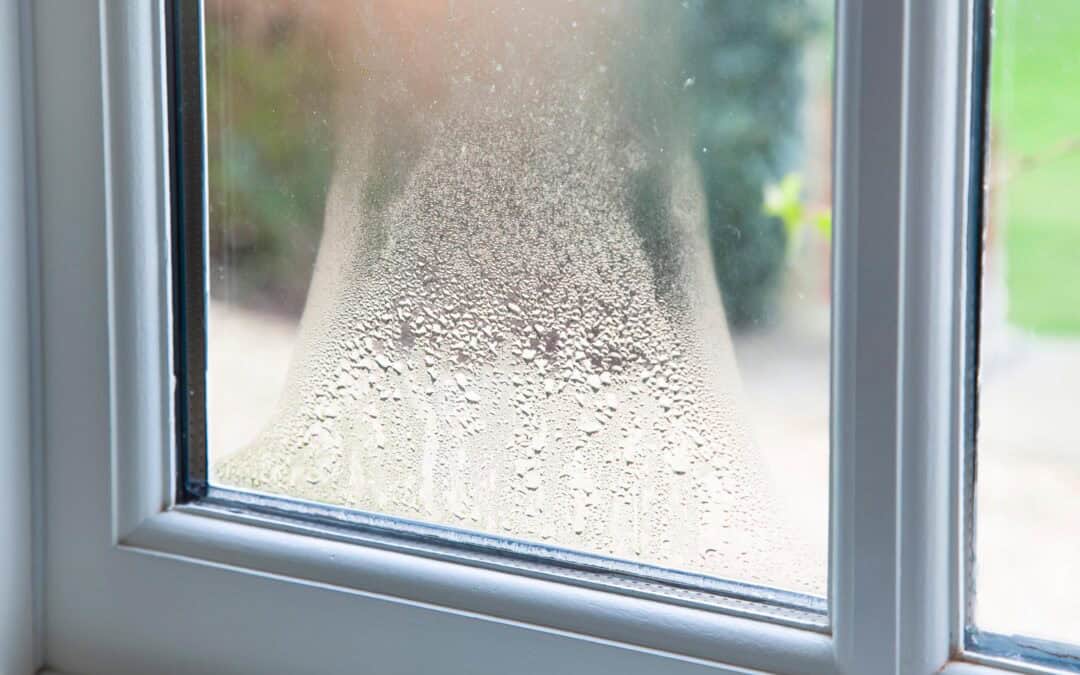
Foggy windows are not all the same problem. Sometimes the fog is surface condensation. Other times it is moisture trapped between panes, which usually means the insulated glass has failed. The first job is finding where the fog lives.
Why Windows Fog: Common Causes of Foggy Windows
Windows fog when warm air, especially moist air, hits cold glass and drops moisture on the surface. Indoor humidity, temperature swings, weather conditions, cooking, bathing, and many factors can all push moisture onto glass. EPA guidance on how to control moisture reinforces that condensation is usually a moisture-source problem first, not always a window-defect problem.
A little fog on a winter morning is common. Windows foggy between panes is different. If you can wipe the fog away, you are dealing with surface air and humidity. If it stays buried in the glass, cleaning will not touch it.
Window Condensation vs. Fog Between Panes
Surface condensation is a household moisture problem. Fog between panes is usually a glass-unit problem.
If the glass inside the home is wet, start with ventilation and humidity levels. NTY’s guide to condensation on inside of windows explains how indoor humidity, cold glass, and airflow problems can create wipeable moisture before you assume the insulated glass unit has failed. If the haze sits between window panes, the window glass has a different problem.
Surface Window Condensation You Can Wipe Away
Wipeable condensation may show up on the interior glass or exterior surface. More humid air inside the home meets cold glass. That can leave excess moisture on the glass panes without meaning the unit has failed.
When Cleaning or Humidity Control Will Not Help
Condensation between panes of glass is not a cleaning problem. More moisture has already entered the sealed space. Lowering humidity may help other windows, but it will not dry out foggy windows between panes.
How Double Pane Windows and Insulated Glass Units Fail

Double pane windows are built as insulated glass units: two panes sealed around the edge with a space between them. Many units use inert gas to slow thermal energy transfer, plus desiccant material to absorb moisture.
That setup works until the seal quits. A double pane window does not have to shatter to fail. Age, sun, heat, movement, and normal expansion can stress the two seals and the outer seal.
What Seal Failure Lets Into the Space Between Panes
Seal failure lets air and moisture enter the space that was supposed to stay dry. The desiccant material can absorb moisture for a limited life expectancy, then the fog becomes visible. Lost inert gas and trapped water also reduce insulated window performance.
What a Broken Window Seal Means for Performance
A broken seal is usually not an emergency, but a broken window seal is still a performance defect. The seal is part of the window’s insulating ability. Once it fails, energy efficiency and comfort start moving the wrong way.
Repeated fog, rooms that are harder to heat or cool, and higher energy bills are practical warning signs. Direct sunlight, warm weather, and age can make failed seals show up faster. Our guide to a broken window seal explains why trapped haze, mineral streaks, and moisture between panes are different from ordinary surface condensation.
Energy Efficiency and Warning Signs
One fogged pane is a defect. Multiple symptoms are a pattern. If the fog comes with drafts, sticky operation, or uneven room temperature, inspect the whole opening before approving a glass-only fix. ENERGY STAR’s window performance ratings are a useful reminder that U-factor measures insulation, so seal and glass performance affect more than visibility.
Replace Only the Glass or the Whole Window?
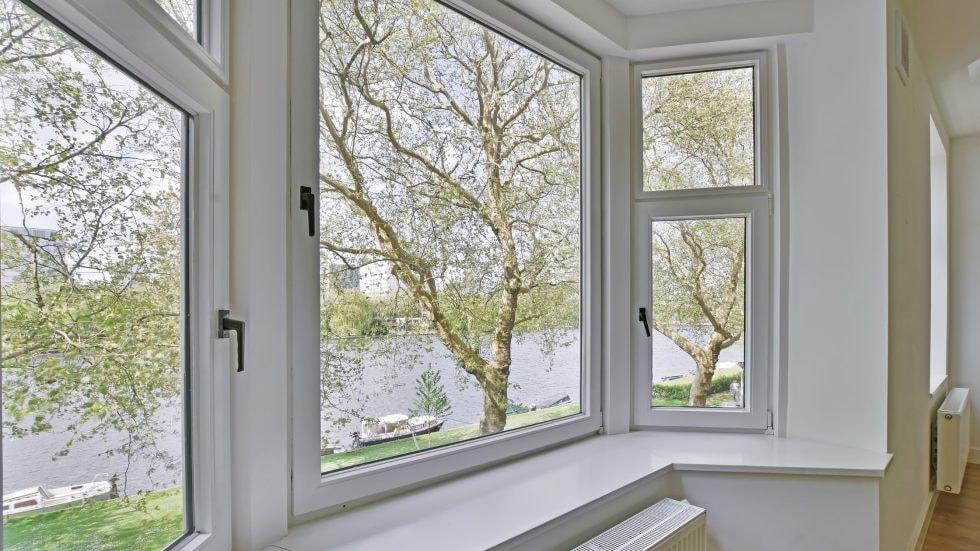
This is where homeowners waste money by trying to be “reasonable.” Replacing only the glass sounds cheaper, and sometimes it is the right move. But putting fresh glass into a tired, leaking, crooked frame is paying twice.
Can You Fix Fogged Windows Without Window Replacement?
Yes, but only if the fix matches the cause. Cleaning and humidity control help surface fogged windows. They do not repair a failed window seal.
Real options are simple: clean the glass, lower humidity, replace the insulated glass unit, replace a sash, or choose window replacement. Replacing only the glass can make sense when the existing frame is square, solid, and operating well.
Check the warranty before paying out of pocket. The window manufacturer may still cover the glass unit or offer a better parts path than a generic replacement.
Quote-Prep Checklist Before You Call a Contractor
Have the window age, number affected, frame condition, drafts, operation problems, warranty status, and manufacturer ready. Take photos showing whether fog is on the surface or between panes. Ask whether IGU-only or glass-only replacement is available. Keep doors and unrelated openings out of the quote unless they share the same leak.
Is an Anti Fog Solution or Drill Holes a Real Fix?
An anti fog solution is for surface fog. It is not a fix for failed seals, trapped moisture, or fog buried between panes.
Drill holes and defogging can make glass look better for a while, but they do not rebuild the seal or restore the window’s insulating ability. This is usually the wrong call when the homeowner expects a performance repair.
Glass-only replacement is strongest when the existing frame is solid, the sash operates smoothly, and only one or two insulated glass units have failed. Whole window replacement makes more sense when the frame is soft, warped, leaking air, or fighting you every time it opens.
Glass Only vs. Whole Window vs. New Windows Decision Matrix
Situation | Better path |
|---|---|
One failed unit, solid frame, smooth operation | Replace only the glass or IGU |
Fog plus drafts, sticking sash, or frame damage | Whole window replacement |
Several older windows with repeated failures | New windows or phased replacement |
Warranty still active | Start with the manufacturer claim |
Selling soon and curb appeal is the issue | Compare glass repair with total window replacement |
The entire window is the system: frame, sash, glass, hardware, seal lines, and installation. Full window replacement is not automatically smarter than glass replacement. It becomes smarter when the surrounding window is already telling you it is done. Our guide on common window problems helps you compare foggy glass with drafts, operation issues, seal trouble, and other symptoms before choosing a repair path.
When New Windows Make More Sense
New windows make sense when older windows have multiple failed seals, poor operation, damaged frames, or comfort problems that keep returning after small repairs. Foggy glass alone may not justify full window replacement. Foggy glass plus drafts, higher energy bills, and tired frames often does.
Have the contractor inspect age, frame condition, seal failure signs, and whether replacement glass or full window replacement is smarter. Get the diagnosis first.