
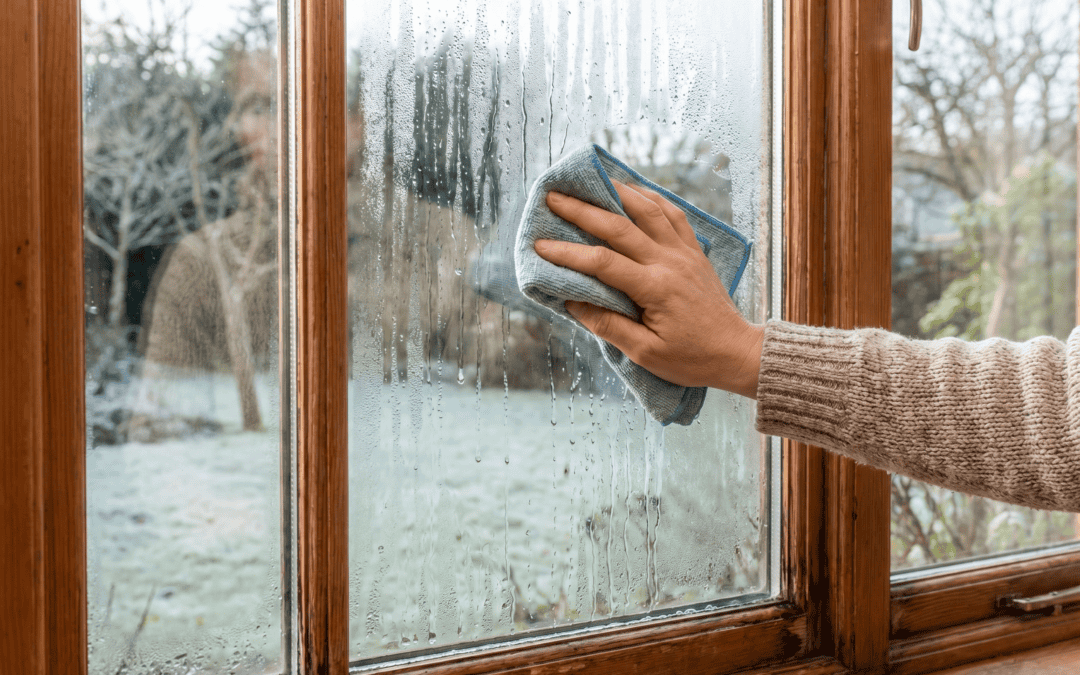
Condensation on inside of windows usually means indoor moisture is hitting cold glass. That does not automatically mean the window is leaking, defective, or ready for replacement.
Sometimes the issue is too much indoor humidity. Other times, the glass is getting too cold because the window is aging, drafty, poorly sealed, or no longer performing the way it should.
Start by finding where the water is. The fix depends on whether the wet surface is inside, outside, or between panes.
What Condensation on Inside of Windows Means
Condensation inside windows is room-side moisture on the glass. You can touch it, wipe it, and see it in the morning.
Light interior window condensation now and then is normal. Heavy window condensation daily is different. Once water pools on the sill, stains trim, or feeds mold, it becomes one of the common window problems worth diagnosing because the cause may be indoor humidity, weak airflow, aging seals, or window performance.
Is Interior Window Condensation Normal?
Yes, in small amounts. A little condensation after a cold night, a long shower, or a busy cooking day does not prove the unit has failed. Pay attention when you notice condensation often.
Why Warm Air and Cold Glass Create Window Condensation
Warm air can carry more moisture than cold air. When humid air touches a cool surface, moisture can turn into visible water.
Window glass is often the coolest surface in the room. Even a good window can have an interior glass surface several degrees cooler than the air around it, so a large temperature difference can leave droplets.
How Relative Humidity and Dew Point Work
Relative humidity is the amount of moisture in the air compared with how much that air can hold at a given temperature. The dew point is where water vapor becomes liquid.
Lower humidity levels and warmer glass reduce the chance of condensation.
Why Condensation on Windows Gets Worse in Colder Weather
Outside temperatures pull heat away from the window. During the heating season, warm indoor air meets colder glass more often, so condensation on windows in the winter months becomes common.
Morning water is typical because window coverings stay closed, air circulation drops, and humid air has hours to settle against cool glass.
Inside, Outside, or Between Window Panes: How to Tell the Difference
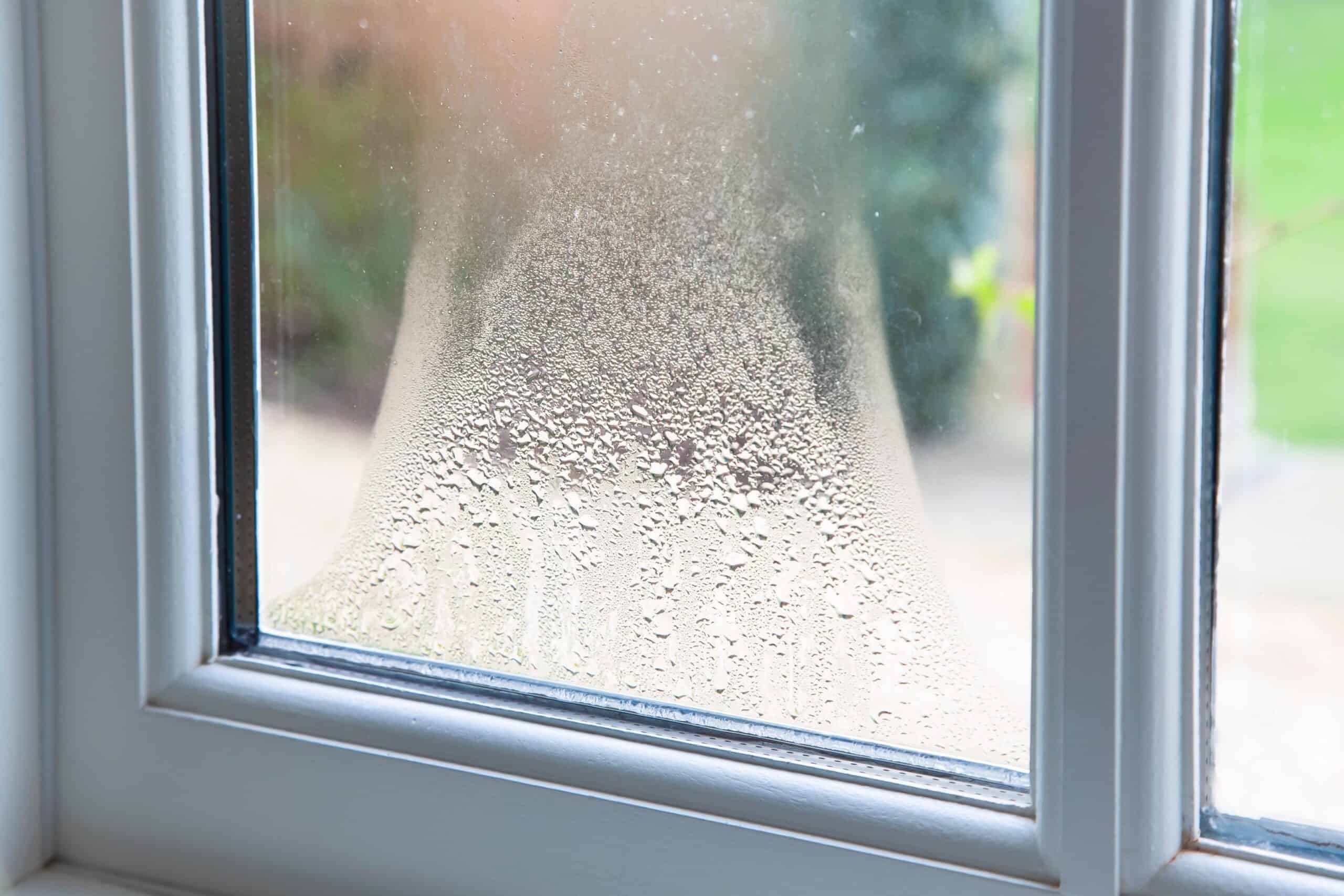
Find the wet surface. Moisture on the inside glass points toward indoor humidity, weak air movement, cold glass, or a mix of the three.
Moisture on the outside glass is usually exterior condensation tied to weather, temperature swings, and efficient glass staying cooler outside during warmer months. If fog or droplets sit between glass panes and cannot be wiped away, you may be dealing with failed insulated glass, which is different from room-side moisture and often shows up as foggy windows.
Quick Touch Test for Window Condensation
Use this checklist:
• Wipe the inside surface. If the moisture disappears, it is interior condensation.
• Check the outside surface. If the moisture is outside, the window is not leaking into the home.
• Look through the glass at an angle. If fog or droplets sit between multiple panes, you cannot clean it off.
When Condensation Between Window Panes Means Seal Failure
Condensation between window panes usually means moisture has entered the insulated glass space, which should stay sealed.
Once that seal fails, wiping will not fix it. A professional can tell whether glass replacement, sash replacement, warranty service, or full replacement makes sense.
Common Indoor Moisture Sources That Raise Humidity Levels
Most homes create more moisture than owners realize. Showers, cooking, laundry, and weak ventilation can push humidity levels up.
Moist air moves, so the room where condensation shows up is not always the room creating the moisture. A home that is not properly ventilated can carry moisture to windows elsewhere.
Everyday Sources of Excess Moisture
Long showers, boiling water, indoor drying, busy kitchens without exhaust fans, gas appliances, indoor plants, unseasoned firewood, and damp areas can add moisture.
Excess moisture does not need to be dramatic; a few stacked habits can keep humid air high enough for condensation problems.
Why Newer Homes Can Have More Moisture at First
New construction often carries moisture from building materials such as framing, drywall, paint, and concrete.
During the first heating season, new windows can show interior condensation without being defective. The house may simply be drying out while humidity and ventilation settle.
How to Prevent Condensation on Windows in Winter
Start with humidity and airflow, not replacement. The job is to prevent condensation by reducing moisture, warming cold surfaces where possible, and preventing still air pockets near the window.
Use exhaust fans during showers and cooking, then let them run after steam clears. Keep interior doors open when practical. Make sure furniture is not blocking supply vents or returns, and keep enough space around windows for air to circulate. A closed room with a cool window is exactly where humid air likes to stall.
For a deeper checklist, see how to stop condensation on windows in winter, especially if you need to compare humidity control, airflow changes, window coverings, and signs that the glass or frame may be contributing. Use the steps below as the field test before you price glass or full replacement.
Improve Air Circulation and Ventilation
A ceiling fan on low can help circulating air reach the glass. It will not solve excessive moisture by itself, but it can break up the damp layer that sits against cool glass.
Bathrooms and kitchens need working exhaust fans. If steam hangs around after normal use, the room is telling you ventilation is weak. Run the fan long enough to remove moisture in the air, not just for odors.
Small habits help too. Open interior doors, avoid blocking registers with furniture, and give the window area room to breathe. Better air circulation makes a big difference because the glass is less likely to sit in a pocket of moist air.
A basic hygrometer can help you spot the pattern. Check the room’s humidity before and after running fans, opening doors, or letting damp rooms dry out. If the number drops and the condensation improves, indoor moisture is likely part of the problem.
Do not seal off the dampest room all day and expect the glass to stay dry. Fresh movement matters more than a one-time blast of air.
Keep Window Coverings Open When Glass Is Cold
Heavy window treatments can make window condensation worse. Closed blinds, thick curtains, and tight window coverings trap humid air against cool glass.
Keep window coverings open part of the day, especially in colder weather. That lets warm room air reach the glass and helps prevent moisture from sitting there overnight.
Start with the rooms where you notice condensation the most. A shade that stays closed all day can leave the glass several degrees cooler than the rest of the room, so opening it during daylight is a low-cost test.
Watch Basements, Crawl Space, and Vapor Barrier Conditions
A damp crawl space or basement can feed moisture into the rest of the home. If the area smells musty, has standing water, or lacks a proper vapor barrier, windows upstairs may show the symptom before you find the source.
Look for signs below the living space, not just on the glass. Exposed soil, wet insulation, foundation seepage, unsealed vents, or outside air leaks can all keep moisture moving into the home. The Department of Energy’s moisture control guidance explains that water vapor can move through a house through air leaks, material diffusion, and heat transfer, which is why hidden damp areas can affect rooms above them.
Do not chase perfection. Some condensation can appear during sharp cold snaps. The practical goal is to reduce repeated wetting, keep the sill dry, and make sure the pattern improves once hidden moisture sources are addressed.
When Excessive Condensation Can Damage Frames, Paint, or Cause Mold
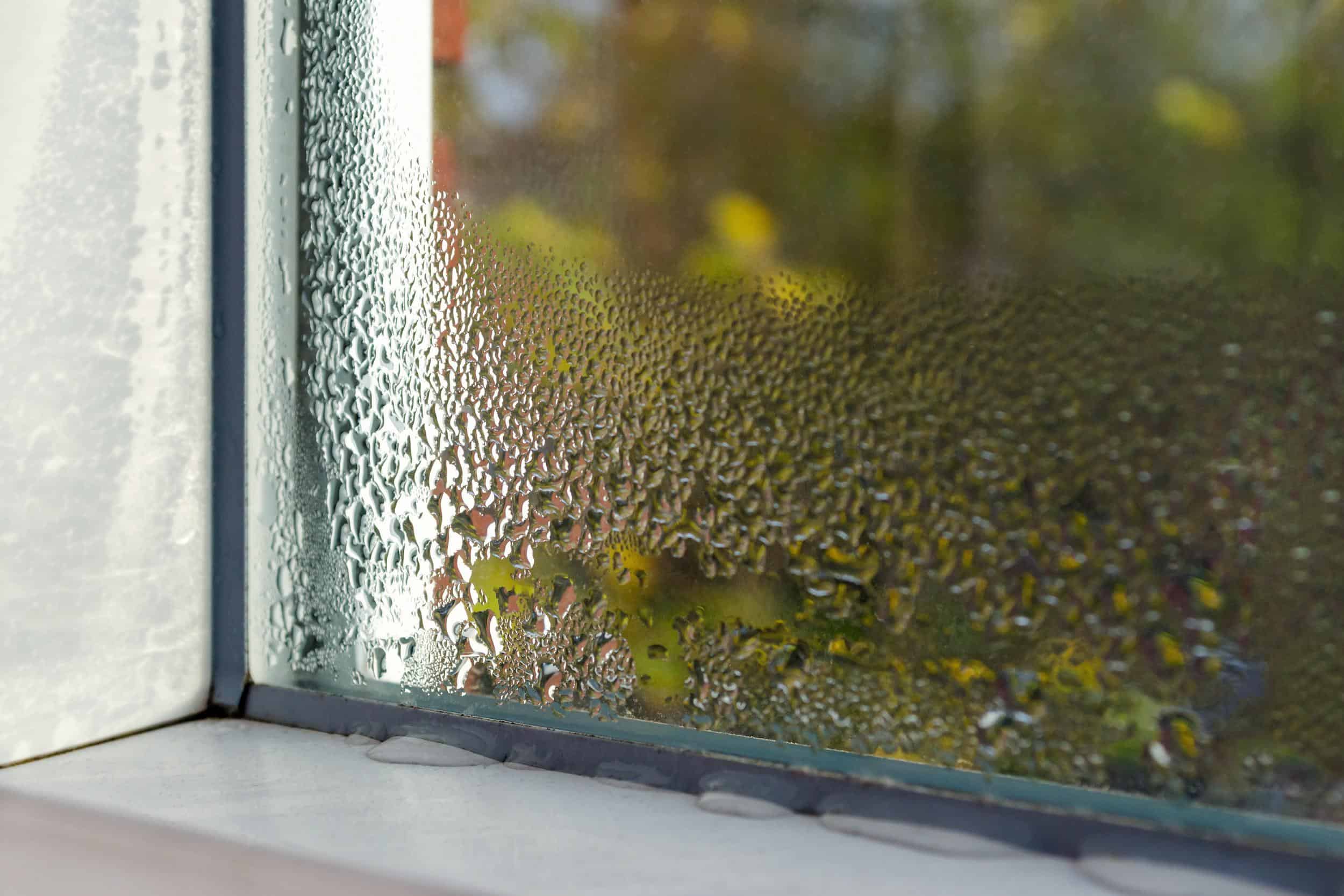
Condensation becomes damage when it stays wet long enough to soak materials that were never meant to hold water.
Wood trim, painted stools, drywall returns, and parts of the window frame can handle occasional dampness. Left unchecked, excessive condensation can lead to blistering paint, softened trim, and mold growth.
Warning Signs Moisture Is Being Left Unchecked
Water pooling on the sill, bubbling paint, soft trim, recurring mold, or a musty smell are warning signs.
A worse sign is water that does not improve after you lower humidity, improve air circulation, and open coverings.
The EPA’s moisture control guidance recommends reducing humidity, increasing ventilation, raising indoor temperature where needed, and drying damp or wet surfaces within 24 to 48 hours so moisture does not keep feeding the problem.
Do New Windows Help With Interior Condensation?
New windows can help, but they are not a magic humidity fix.
Energy efficient windows can reduce energy transfer, improve comfort, and keep the glass warmer than many old windows. Multiple panes, better spacers, and proper installation can reduce the cold-glass effect.
If you also have drafty windows, condensation is harder to manage because air leaks can chill nearby surfaces and make the room-side glass more likely to fall below the dew point.
Why Energy Efficient Windows Can Still Show Interior Condensation
Energy efficient glass slows heat movement. It does not remove moisture from the air.
Window manufacturer guidance often includes indoor humidity ranges. Even triple pane windows can show water when humidity is high enough.
When Old Windows Make Condensation Harder to Control
Old windows can make the fight unfair. Loose sashes, worn seals, and air leaks can keep the interior surface colder than it should be.
In some cases, targeted repairs can help. If the frame is worn out, the glass has failed, or the room has been uncomfortable for years, replacement may be the more practical long-term fix.
When to Call a Window Professional
Call a window professional when moisture appears between panes, seal failure is suspected, drafts are obvious, frames are damaged, or condensation issues keep returning after you address indoor humidity.
A good contractor should inspect the glass, sash, window frame, seals, installation, and surrounding conditions.
Ask these questions before you approve work:
• Indoor humidity, seal failure, installation trouble, or old window performance?
• Repair, glass replacement, or full window replacement?
• What will be inspected before the quote is final?
Look for clear explanations, warranty coverage, installation details, reviews, and Better Business Bureau references. You want field judgment, not a canned quote.
Need Help Diagnosing Window Condensation?
If your windows keep collecting moisture on the room side, the next step is not guessing. NTY Windows can inspect the glass, frame, sash, seals, installation details, and surrounding conditions so you know whether humidity, airflow, or window performance is the real issue.
Before you decide what to do next, review the NTY Windows resource for related guides on condensation, foggy glass, drafts, and other common signs of window trouble.
Schedule a window evaluation with NTY Windows to get practical next steps before repeated moisture damages trim, paint, or the window frame.