

Feeling cold air near a closed window usually triggers the same question: do I need new windows, or is there a simpler fix?
Many homeowners jump straight to replacement when they notice drafty windows. Just as many spend years re-caulking a window that should have been replaced long ago. Both mistakes cost money.
The right approach is diagnosis first. Some drafty windows are suffering from a failed seal, worn weatherstripping, or small gaps around the window frame. Others have deeper problems that no tube of caulk will solve.
If you’re trying to figure out how to fix drafty windows, start by identifying where the air is getting in before deciding whether to seal, repair, or replace. The same logic applies to exterior doors, which can also create noticeable drafts, but windows are usually the first place homeowners feel cold air moving through the house.
Why Are My Windows Drafty?
Most window drafts come from air leaks around the window frame, not through the glass itself.
Over time, caulk dries out. Sealant shrinks. Small gaps open where the frame meets siding, trim, or interior finishes. Those openings create noticeable leaks and allow cold air into the room.
Common causes include:
• Failed caulk and sealant
• Cracked weatherstripping
• Separation between the frame and surrounding walls
• Cracks in window trim
• Aging old windows
• Failed insulated glass panes
Age alone doesn’t determine whether a window will be drafty. Proper installation, quality materials, and ongoing maintenance often matter more than the year the window was installed. We’ve seen older windows that still perform well and newer ones with obvious air leaks
How Air Movement Creates Drafts
Many homeowners notice drafts more during winter and assume the window suddenly failed. Usually, the problem existed all along.
When hot air rises, cooler air settles lower in the room. The larger the difference in temperature, the easier it becomes to feel air movement.
In winter, cold exterior air pushes through cracks. Interior heat escapes. A gap that goes unnoticed in mild weather can feel like an open window once temperatures drop.
The result is cool air near the floor, uneven room temperatures, and uncomfortable cold spots around the window.
How to Tell Where Cold Air Is Coming From
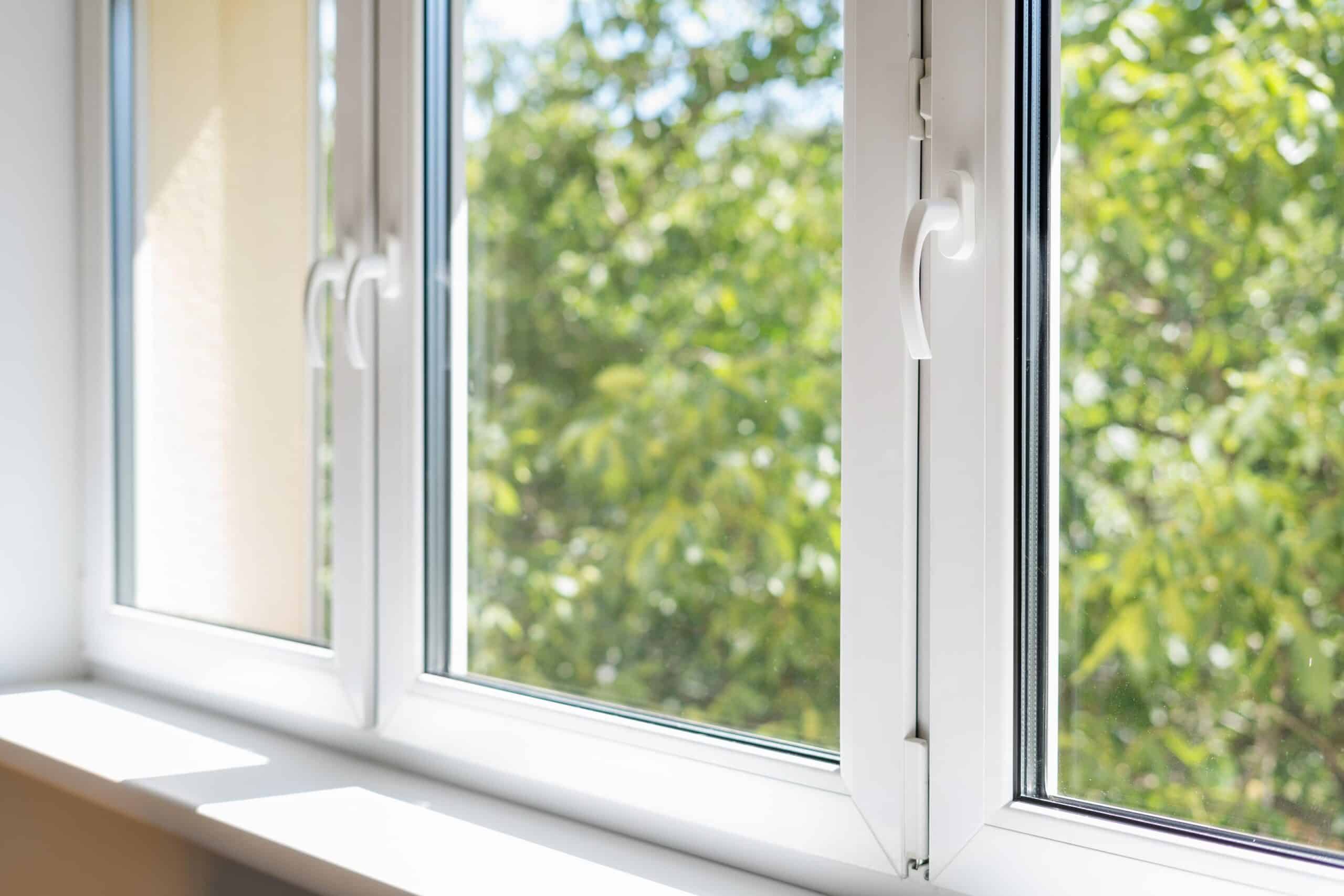
Before buying materials or scheduling repairs, figure out where the cold air coming into the room is actually coming from.
Simple Ways to Find Air Leaks
Start with your hand.
On a cold day, slowly move your hand around the window, corners, sash edges, and trim lines. Air movement is often easier to feel than to see.
Look for:
• Visible gaps
• Cracked caulk
• Damaged weatherstripping
• Separated trim
• Water staining near suspected leaks
A flashlight can help. If you can see light around a closed component, air is often following the same path.
Pay close attention to the window trim and adjacent finishes. Many drafts originate where the frame meets the wall. Understanding these symptoms is also part of evaluating broader window repair decisions.
Frame Leaks vs. Glass Problems
If the draft is concentrated near the interior trim or frame perimeter, the issue often involves sealing and insulation.
If the air seems to come directly through the glass, the problem may involve failed insulated panes or an aging window system.
That’s an important distinction because the fix is completely different.
How to Fix Drafty Windows: Simple Checks First
Most homeowners can improve comfort without immediately replacing the window.
Low-Cost Fixes That Often Work
A good first step is checking the hardware.
Locks and latches pull many window styles tighter against weatherstripping. If a lock isn’t engaging correctly, air can move through the opening even when the window appears closed.
Check these items first:
- Verify locks fully engage.
- Inspect weatherstripping.
- Look for visible openings.
- Confirm the window closes squarely.
- Check for cracked sealant.
If the window doesn’t close properly, no amount of caulk will stop drafty windows from leaking air.
What delivers the best return? Usually, sealing obvious leaks around existing windows.
A tube of caulk costs very little compared to replacement. Replacing damaged weatherstripping is also inexpensive. These repairs can prevent drafts, improve comfort, and save money when the underlying window remains in good condition.
How to Seal Drafty Windows With Caulk, Weatherstripping, and Film
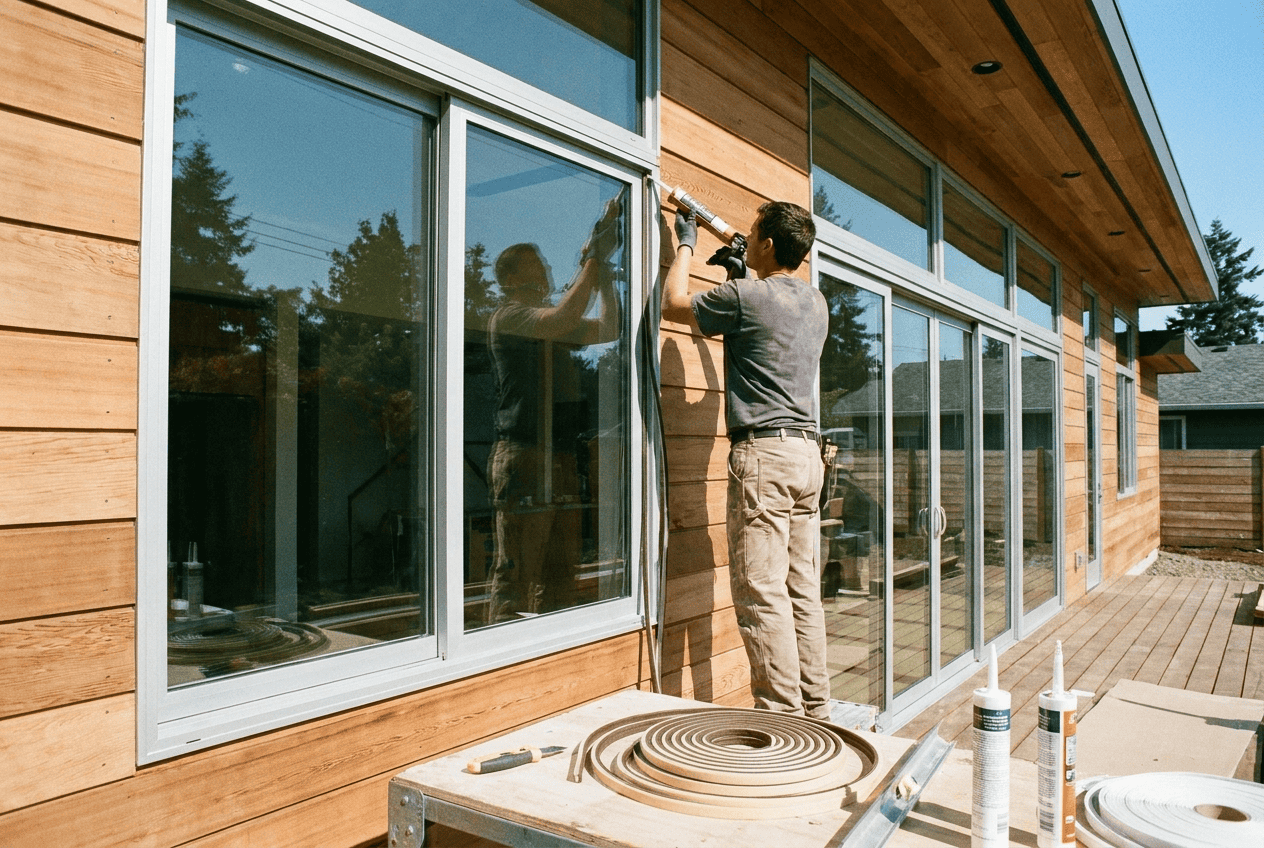
Many homeowners searching for ways to seal drafty windows assume caulk is the answer to everything. It isn’t. The right product depends on where the air is moving.
Homeowners comparing repair methods often benefit from reviewing the differences between draft-proofing options before deciding whether to caulk, seal, or replace.
When Caulk Is the Right Solution
Use caulk where stationary materials meet.
Remove failing old caulk before applying new sealant. Fresh material over damaged material rarely lasts.
Many contractors clean surfaces with rubbing alcohol before sealing. A quality caulk gun also helps create a more consistent bead.
Use caulk to:
• Seal gaps around stationary joints
• Fill small cracks
• Repair failed exterior sealant
• Protect openings from air and moisture
For additional guidance on air sealing and weatherization, the U.S. Environmental Protection Agency’s home sealing recommendations provide useful best practices.
Weatherstripping and Temporary Winter Fixes
Caulk should never be used on moving parts.
That’s where weatherstripping belongs. It compresses when the window closes and expands when it opens, helping maintain a seal.
For temporary winter relief, many homeowners use plastic insulation kits. These systems typically use double sided tape around the perimeter and a clear plastic cover stretched across the window.
Once installed, a hair dryer is used to shrink the film, creating a tighter seal that helps reduce drafts until a permanent repair or replacement can be made.
When Drafts Point to Bigger Window Problems
You seal gaps. You replace weatherstripping. The draft remains.
That’s usually a sign of a larger issue.
Hidden Problems Behind the Trim
Behind the trim, there should be proper air sealing and insulation around the rough opening.
In older homes, contractors sometimes find loose insulation, large voids, or missing material entirely.
During renovation work, crews may remove interior trim and discover the original cavity was never properly insulated. Adding new insulation and restoring air sealing can dramatically improve comfort and the home’s energy efficiency.
Persistent drafts despite repeated repairs often point to:
• Multiple air leaks
• Failed glass panes
• Deteriorated frame components
• Repeated sealant failures
• Structural movement around the opening
Drafty Windows, Condensation, and Energy Bills
Drafts and condensation are often confused, but they are different problems.
If moisture is your primary concern, understanding window condensation causes can help determine whether you’re dealing with airflow, humidity, or glass-related issues.
Drafts involve moving air. Condensation involves moisture.
Fogging between insulated glass panes usually points to seal failure rather than active airflow.
Even small air leaks can reduce energy efficiency. Conditioned air leaves the home while outside air enters. During winter, escaping heat increases heating demand. During summer, warm outdoor air works against your cooling system.
ENERGY STAR’s efficiency guidance explains how improved windows and proper installation can help reduce heating and cooling losses.
The result can be higher energy bills, inconsistent temperature levels, and reduced comfort throughout the house.
Improving a home’s energy efficiency does not always require replacement, but recurring drafts should never be ignored.
When Window Replacement Makes More Sense Than Another Repair

Some windows deserve another repair. Others have reached the point where replacement is the more practical choice.
Signs Replacement Is the Better Investment
Consider window replacement when you see:
• Warped frame components
• Rot or moisture damage
• Failed insulated panes
• Operating problems
• Multiple recurring draft locations
• Repeated repair failures
At that point, continuing to patch old windows often increases long-term cost.
What New Windows Can Improve
A properly selected and professionally installed replacement window can improve comfort, reduce maintenance concerns, and help maintain more stable indoor temperatures.
Modern glass, stronger frames, better weatherstripping, and improved seals all work together to reduce drafts.
A quality replacement window doesn’t simply mask the symptoms. It addresses the root cause of recurring air leaks.
A Homeowner’s Next Step: Repair, Seal, or Replace?
Start with diagnosis.
Find where the air is entering. Check the frame, trim, weatherstripping, and surrounding sealant. Repair obvious problems first.
If those fixes solve the issue, great.
If drafts continue returning, if repairs repeatedly fail, or if your old windows show signs of broader deterioration, replacement may be the smarter long-term move.
The best decisions come from understanding why the window is drafty before spending money on repairs or replacement.
If you’re dealing with drafts, condensation, sticking windows, or other common issues, our guide to window repair and replacement decisions can help you determine when a simple fix makes sense and when it’s time to consider new windows