
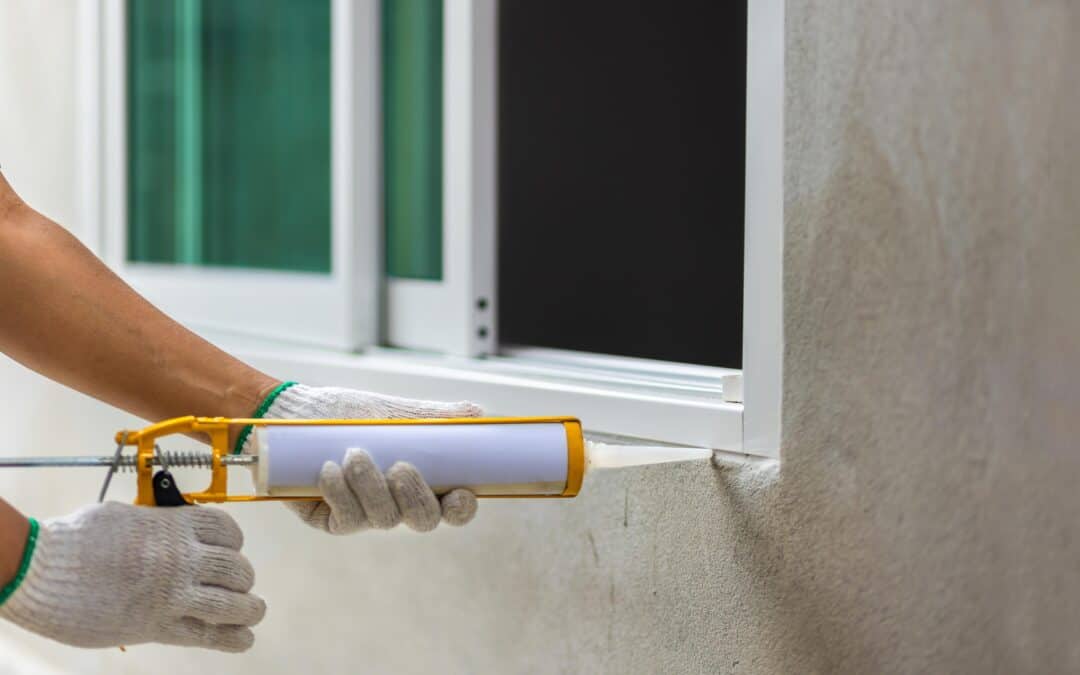
Where window caulking actually helps
For window caulking exterior work, the best use case is a small, fixed gap around the frame—not rotten trim, failed flashing, loose construction, or a broken glass seal
This guide helps homeowners decide when a drafty window can be handled with careful DIY caulking and when the issue points to repair or replacement.
That is the line to draw before you buy a caulk tube or load a caulking gun.
If you see a narrow crack where exterior trim meets siding, caulk may be the right maintenance fix. If you feel air at the sash or keep re caulking the same joint every season, the problem is larger.
Caulk is cheap compared with replacement costs, so homeowners often try it first. That is reasonable once, not when the same exterior windows keep leaking, shifting, or hurting energy efficiency.
For broader diagnosis, our guide to common window problems explains how to separate repairable drafts from issues like fogged glass, water damage, or frame deterioration.
What exterior caulk can and cannot fix

Caulk works best on small, fixed seams. Think frame-to-trim joints, trim-to-siding joints, and hairline gaps where exterior windows meet the opening.
A good exterior seal helps protect the opening from air movement and wind-driven water. Around a window frame, a clean bead can keep moisture from working behind the trim and into the wall.
The surrounding surface is crucial. Wood, metal, brick, stucco, masonry, and siding all expand and shed water differently. The sealant must adhere to that material and stay flexible after sun, water, and temperature changes. On older homes, one wall can expose the same window to paint, wood trim, brick, and metal edges, so a generic inside product is the wrong bet.
Caulk is not framing lumber. It is not flashing. It is not a replacement for missing material, loose trim, or a window that no longer sits square.
Larger gaps are where many bad repairs start. A wide opening may need backer rod, trim repair, flashing correction, or replacement parts. Filling it with more caulk usually leaves a thick bead that cracks, traps moisture, and fails again. That is the point where maintenance turns into repair, especially on exposed upper-story windows that take direct weather, sun, water, and wind.
Good places to caulk around exterior windows
Good caulk locations are stationary seams.
Frame-to-trim seams are fair game when the gap is small and clean. Trim-to-siding seams can also be sealed when the joint is meant to shed water, not drain it.
Small cracks along the exterior edges of the frame can be sealed if the surrounding material is solid. The bead should bridge the joint, not bury the whole area.
A smooth bead is not just about looks. Lumpy caulk leaves thin spots where water can sit, then push into the joint.
Gaps that need more than caulk
Loose trim, exposed layers behind the frame, spreading joints, and repeated cracks are warning signs.
If a gap keeps reopening, something is moving. That might be swelling wood, deteriorated siding, frame damage, or installation movement.
Caulk can hide that symptom for a while. It will not stop the movement.
Missing or suspect flashing belongs in the same category. Do not try to solve a flashing problem with a tube of caulk.
Re-caulking frequency and material choice
Re-caulking frequency depends on exposure, product type, and the condition of the surrounding material. Re-caulking makes sense when old caulk has aged, hardened, or pulled away from the surface.
You may see a crack along the bead, small gaps at the edges, or brittle material that no longer sticks. That is part of how homeowners maintain many exterior windows.
Do not smear new caulk over failed material and call it done. New caulk needs a clean, dry surface if you expect it to stick.
Use exterior-rated products only. Common types of caulk include silicone, polyurethane, and paintable water based sealants. Silicone caulk handles weather exposure well and stays flexible, but it is often harder to paint. Polyurethane is common for durable exterior joints. Water based caulk can make sense when paintability around trim is important.
Some products dry quickly, which sounds convenient. Adhesion, flexibility, and correct placement matter more.
Caulk vs. weatherstripping

A homeowner feels cold air near a window and assumes the exterior needs caulk. Often, the draft comes from a moving part.
Caulk seals fixed gaps. Weatherstripping seals parts of windows that open and close.
The U.S. Department of Energy makes the same distinction: weatherstripping works for operable windows and other moving components, while caulk belongs on stationary cracks and gaps.
If air comes from the outside frame, exterior trim, siding joint, or fixed edges, caulk may help. If it comes from the sash, meeting rail, lock area, or inside operating edge, caulk is the wrong tool.
For more draft diagnosis, check out our guide to why your windows are drafty, which breaks down whether the likely fix is sealing, weatherstripping, repair, or replacement.
Use caulk for fixed exterior gaps
Use caulk where two stationary surfaces meet and the joint is supposed to be sealed.
That includes small trim seams, exterior frame edges, and certain siding joints. The joint should be clean, dry, and narrow enough for one controlled pass.
Good caulking techniques start with preparation: remove failed material, clean the seam, let it dry, cut the tip to match the joint, then pull a steady bead. A caulk tube in a steady gun and painter’s tape can help keep edges clean while applying caulk.
Do not caulk moving window parts
Weatherstripping belongs where the window moves.
Sash edges, meeting rails, locks, and operable sections need compression, not caulk. Caulking a moving edge can seal the window shut.
When drafts point to replacement

Old windows can still feel drafty after every visible exterior joint has been sealed.
The frame may be loose. The sash may not close tightly. The glass unit may have failed. Installation may have left gaps inside the opening. Caulk cannot fix all of that.
Failed window seal drafts are different
A failed glass seal is not an exterior caulk problem.
Fogging, condensation between panes, cloudy glass, or moisture inside the glass unit point to a broken window seal, which usually means the insulated glass unit has lost the sealed space that helps it perform. Caulk around the outside frame will not repair that space.
That window may still need evaluation.
Water damage is a red flag
Soft wood, recurring water stains, cracked frame material, and gaps that keep spreading deserve attention.
Water is patient. It can travel behind trim, soak hidden material, and show up inside long after the exterior bead looks suspicious.
Over-caulking can make this worse by trapping moisture or hiding the path.
Where not to use caulk
Do not caulk weep holes, drainage paths, or moving window parts, and do not use caulk over old caulk as a long-term fix or to fill structural gaps, missing material, or openings that keep changing width.
Hard-to-access exterior windows call for judgment. Safety matters more than finishing a DIY process from a ladder. If you cannot safely reach or read the joint, get help instead of guessing.
Common over-caulking mistakes
The common mistakes are easy to spot: blocking drainage paths, sealing moving parts shut, hiding flashing problems, and using interior-only caulk outside.
The Department of Energy recommends checking that exterior caulking and weatherstripping are properly applied, with no gaps or cracks, as part of detecting air leaks around windows and doors.
Then the material fails, moisture gets back in, and the same problem returns.
What to do if drafts continue
Mark where you feel air. Outside frame? Inside sash? Lock area?
Then inspect the exterior joint. Look for loose trim, cracked material, failed caulk, moisture staining, or a gap beside the window frame.
Check the glass too. Fogging between panes points away from caulk and toward glass-unit failure.
For example, a small trim seam that opens after years of weather may be a caulk job. A window with fogged panes, soft trim, and a gap that keeps widening is not.
If drafts continue after basic sealing, stop reapplying caulk and have the window system evaluated. The answer may be weatherstripping, sash repair, exterior repair, or replacement.