

Homeowners ask about sound absorbing windows because one room is too loud with the windows closed. Traffic leaks in. A dog carries through the bedroom. Lawn equipment fills the living room.
New windows can help when they address the weak points that let outside noise in, such as thin glass, loose sashes, worn seals, or gaps around the frame.
What Homeowners Mean by Sound Absorbing Windows
Most windows do not absorb sound like acoustic panels. They are hard openings in the house, so the best goal is to block sound, tighten gaps, and cut the path for unwanted noise.
Terms like soundproof windows and noise reduction windows can oversell the result. A better unit can reduce noise, but it will not make a room fully soundproof.
Good soundproofing comes from layers, tight seals, glass choice, and clean installation.
Can New Windows Reduce Outside Noise?
Yes, new windows can reduce outside noise, especially when the old units are single-pane, loose, drafty, or poorly sealed.
Better glass, tighter sashes, stronger locks, and a cleaner fit around the frame help reduce noise transmission. The window has to stop air and vibration from getting indoors.
Road noise, dogs, wind, and neighbors get worse when old windows leave gaps. The noise pollution guidance from the EPA notes that unwanted noise can affect daily life through stress, sleep disruption, speech interference, and other health concerns, which is why quieter indoor comfort matters for many homeowners.
When Replacement Makes the Biggest Difference
The biggest jump comes from replacing failing windows: single-pane glass, warped frames, loose sashes, rattling panes, and poor installation.
If your current windows are newer, tight, and properly sealed, replacement may still help, but the gain may be smaller. Targeted sealing, window inserts, or upgraded glass may be smarter.
Why Older or Poorly Sealed Windows Let More Noise In
Air carries sound. If air moves through cracks, flat weatherstripping, or gaps around the window frame, noise can follow the same route.
A noisy window often comes with drafts, rattling, foggy panes, a sash that will not close square, or noise coming through when the lock is engaged.
An older wood frame can shift, swell, rot, or pull from the opening. Caulk can split. An existing window may still leak air.
Sealing May Help Before Replacement
Sealing is worth considering when the window itself is still solid. Fresh caulk, new weatherstripping, and minor frame repairs can quiet air leaks.
Simple window sealing techniques can include removing failed caulk, resealing exterior gaps, replacing compressed weatherstripping, and checking whether the sash locks evenly against the frame. Self-adhesive foam tape can be a temporary insulation boost for a small gap, but it is not a full repair when the frame is out of square.
But sealing will not rescue a warped frame, a sash that will not close, or failed insulated glass.
Glass, Installation, and Add-Ons: What Helps Block Sound
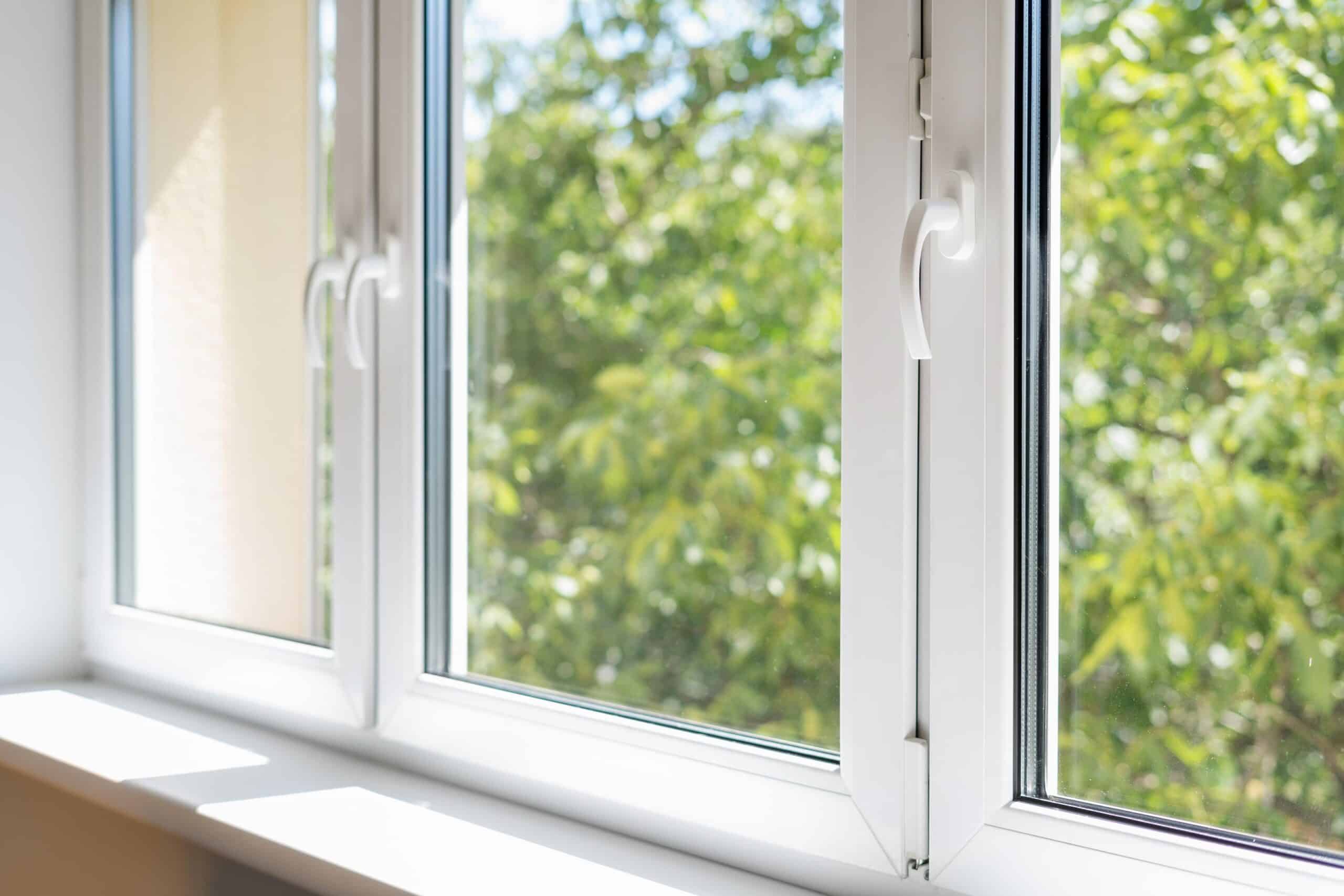
Glass choice matters, but thicker glass alone is not the whole answer. The unit still has to fit, latch tightly, and keep moving air out.
Single glass gives sound a simple path. Thicker glass can add mass. Laminated glass adds an interlayer between panes, which helps reduce sound transfer because vibration has to move through more than one material.
Multiple panes can help too, especially when the window is built and sealed well. The air gap between panes creates space that slows sound movement while also helping with thermal insulation, heat control, and everyday comfort. The Department of Energy explains that heat gain and heat loss through windows account for 25%–30% of residential heating and cooling energy use, so window performance often affects comfort in more than one way.
Different window types can also change the result. A tight casement window may close differently than a double-hung window, and a picture window has fewer moving parts where air and sound can sneak through.
This is where homeowners get sold too quickly. A thick pane in a poorly installed window is still a weak window. Better glass needs a tight frame, good seals, and the right installation process around the opening.
Do Double-Pane Windows Reduce Noise?
Double-pane windows can reduce noise compared with older single-pane windows. They are not automatically the best windows for noise reduction, but they are usually a major improvement over loose, thin, aging units.
The air gap helps. The extra glass helps. The real win comes when the whole window is tight, square, and properly sealed.
If outside sound is the main complaint, ask about laminated glass windows for noise reduction, mixed-thickness glass, or acoustic glass windows instead of assuming every double-pane option performs the same. Mixed-thickness glass can be highly effective because the panes disrupt a wider range of sound frequencies than two identical panes.
Frame Quality Matters as Much as Glass
A good window installed badly is an expensive disappointment.
The point where the window meets the opening is where many projects succeed or fail. Gaps behind trim, loose shimming, poor flashing, weak foam work, and sloppy exterior sealing can leave a path for air and sound.
The surrounding building materials matter too. Siding, wall depth, trim, and interior finish affect how cleanly the window ties into the house.
A glass upgrade can only do so much if the window is not installed well. The product and the installation have to work together, which is why NTY Windows checks the glass, frame condition, seals, and fit before recommending repair or replacement.
Inserts, Film, Curtains, and Other Add-Ons

Not every noisy room needs replacement windows right away. Some homeowners want to know how to soundproof windows without replacing them, and a few add-ons can help.
Soundproof window inserts or interior window inserts add another barrier over the existing window. They can be useful when the current unit is structurally sound but not quiet enough.
Window film is usually a smaller improvement. Heavy curtains, blinds, foam, mass loaded vinyl, and other DIY window treatments may help with dampening sound inside the room, but they do not fix bad seals, air leaks, or poor installation.
The best sound proofing options depend on what is failing. Inserts may help a solid but noisy window, while replacement makes more sense when the frame, sash, glass, or seals are already causing comfort problems.
Use these options for the right reason:
• Choose window inserts when the existing window is in good shape and you want added noise reduction.
• Choose replacement when windows are drafty, foggy, warped, damaged, inefficient, or hard to operate.
DIY can cover a comfort problem for a while. It should not be mistaken for a permanent solution when the window itself is failing.
Which Outdoor Noises Are Hardest to Reduce?
Voices, wind, dogs, and neighborhood noise are often easier to reduce than low frequency sounds.
Road rumble, train vibration, bass, and heavy traffic are tougher because sound waves can move through more than the window: a wall, ceiling, floor, or doors.
New windows can improve the room, but they are not a cure for every frequency sounds produce outside the house.
When to Repair, Seal, or Replace Noisy Windows
Start with the symptom, not the sales pitch.
Seal or repair minor caulk failure, worn weatherstripping, or a small gap around an otherwise solid frame. Investigate a broken window seal if the glass is foggy, because moisture between panes usually points to a failed insulated glass unit rather than a simple surface cleaning issue.
Consider replacing when the windows are single-pane, warped, drafty, rattling, hard to close, or poorly installed. These common window problems tend to overlap, so a noisy room may also show drafts, condensation, sticking sashes, or visible frame damage.
Use this quick check before deciding:
• Are the windows drafty, foggy, rattling, warped, or hard to lock?
• Is the noise coming through one room or the whole side of the house?
• Are you dealing with voices and neighborhood noise, or low-frequency road rumble?
• Have the caulk, seals, frame, and weatherstripping been inspected?
If the main complaint is drafty windows and noise, keep them together. Air leaks and sound leaks often come from the same failure points around the sash, frame, or exterior seal.
NTY Windows can inspect the glass, frame, seals, and installation to recommend the right next step.