
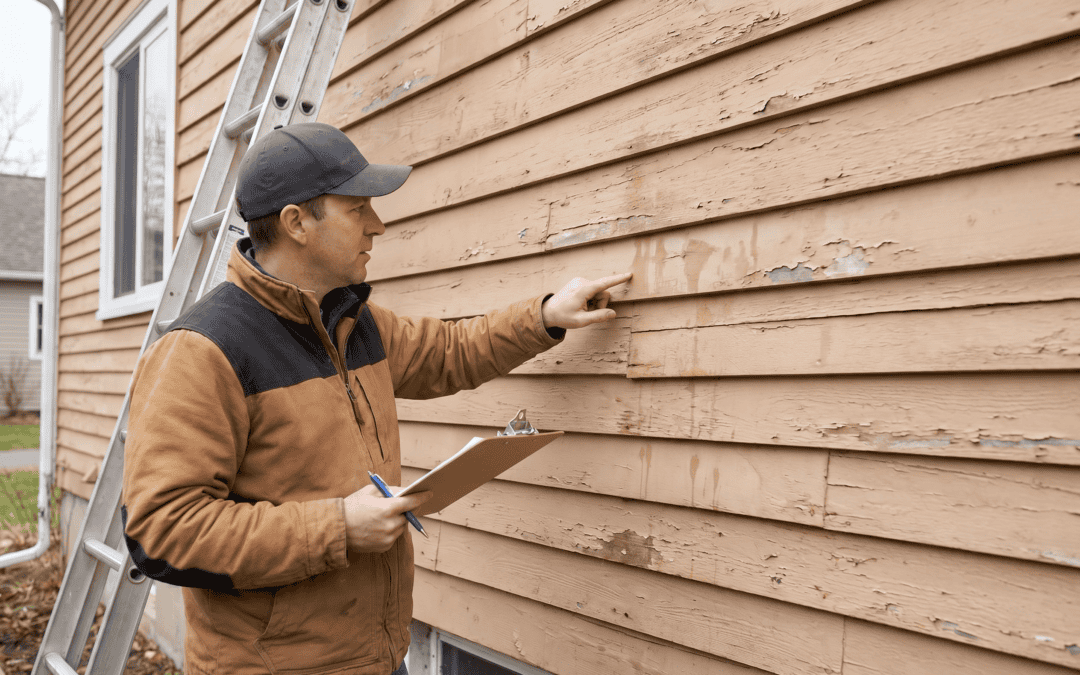
Most homeowners start thinking about replacing siding on a house after they notice something that doesn’t look right. A panel begins to bow outward. Paint keeps peeling. A section near a window feels soft when pressed.
The appearance gets attention first. The bigger concern is what those visible problems often reveal underneath. In many cases, the visible problem is only the first sign of a larger process of deterioration happening behind the exterior.
Siding is not decorative trim. It is part of the system that protects your home from moisture, pests, temperature swings, and everyday exposure to the elements. Knowing the difference between normal aging and true failure helps homeowners make better decisions before damage spreads behind the walls.
Why Replacing Siding on a House Is About More Than Appearance
A fresh exterior can make a house look newer, but appearance is rarely the best reason to invest in siding replacement.
When a home’s siding performs properly, it helps protect structural materials, manage moisture, and reduce unwanted air movement. Durable siding acts as a barrier between the house and the elements. Once that barrier begins failing, appearance becomes secondary.
What New Siding Protects Beyond Curb Appeal
Most homeowners focus on what they can see from the driveway.
New siding helps protect wall sheathing, insulation, framing, and other components hidden behind the exterior surface. When siding remains intact, water stays outside where it belongs. One of its primary jobs is to prevent water damage from reaching the framing and insulation hidden inside the wall cavity. When it fails, moisture finds pathways into the wall system.
That protection is often worth more than the visual upgrade.
Why Old Siding Can Hide Bigger Problems
Old siding can look acceptable while hidden deterioration develops underneath.
A small crack may not seem urgent. A loose section may appear cosmetic. In practice, these openings often allow moisture and pests to enter areas homeowners never inspect. Even a gap less than an inch wide can create enough entry space for water and insects to begin causing problems.
By the time stains, mold odors, or interior damage appear, the problem has usually been active for much longer than expected.
The Most Common Signs It May Be Time to Replace Siding
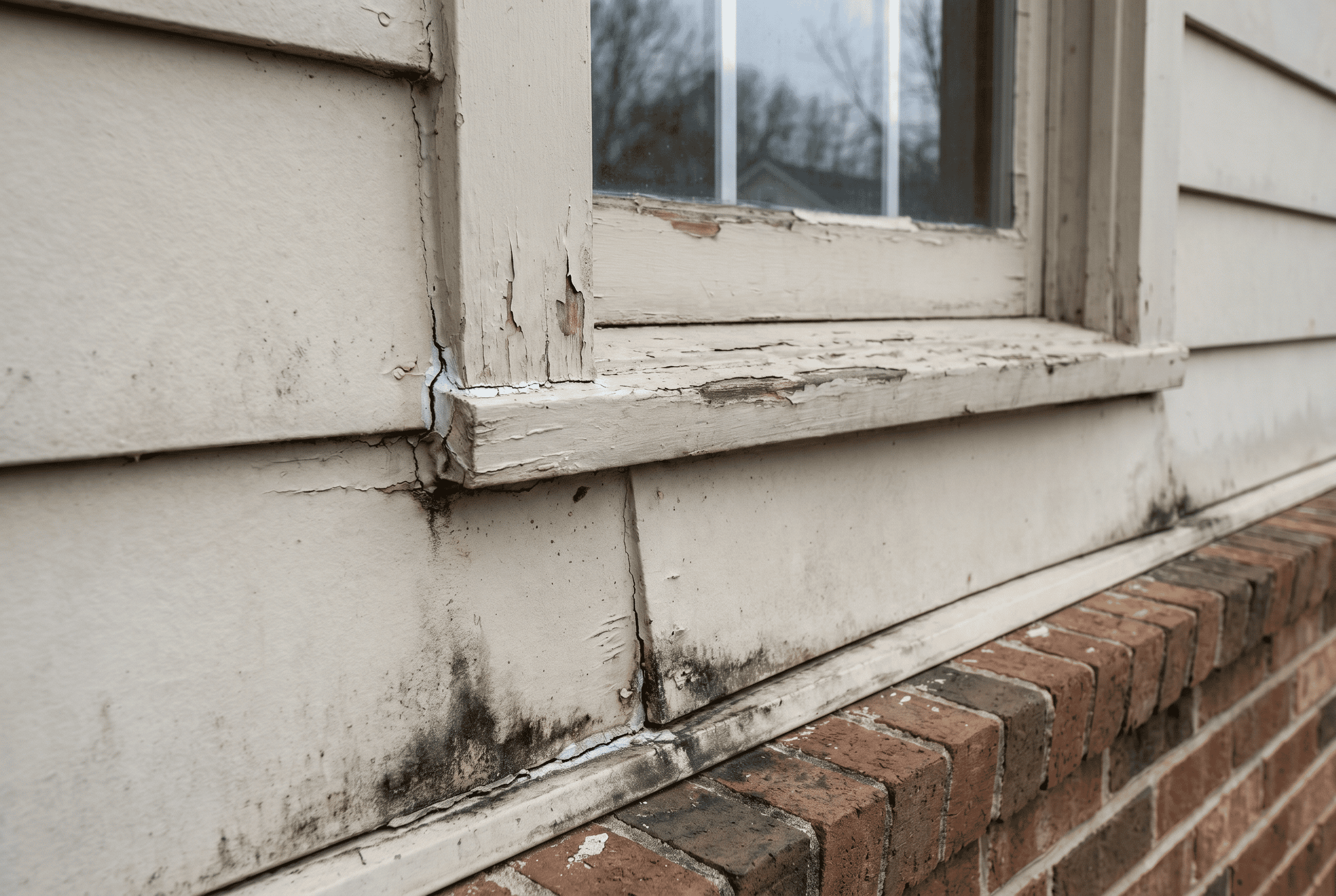
Many signs you need new siding develop gradually. Homeowners get used to seeing them and stop noticing how much the exterior has changed.
Early Warning Signs Homeowners Can Monitor
Watch for:
• Hairline cracks and small holes
• Fading color across large sections
• Caulk failures that repeatedly return
• Minor loose panels
• Small areas of peeling paint
• Frequent touch-up repairs
These are not automatic replacement triggers, but they are useful tips for spotting problems before they become major repairs.
None of these automatically require replacing siding. Together, they suggest your siding deserves closer attention.
A growing list of small repairs is often a factor that pushes a project toward replacement.
Serious Signs Siding Needs Replacing
Some conditions deserve immediate evaluation.
• Large cracks or broken sections
• Missing panels
• Significant damaged siding on house elevations
• Extensive warped siding
• Rotting trim adjacent to siding
• Soft spots that compress under pressure
• Repeated moisture intrusion
• Multiple repairs in the same area
When several of these signs appear together, homeowners are usually beyond simple maintenance. At that stage, the conversation often shifts from small repairs to whether removing damaged materials and starting fresh makes more financial sense.
Many of the same warning signs appear in aging vinyl products. Homeowners dealing with recurring cracks, buckling, or loose panels can learn more about common material failures in this guide to vinyl siding issues.
Warped Vinyl Siding, Cracks, and Loose Panels Usually Mean Bigger Problems
A homeowner notices a piece of vinyl siding pulling away from the wall near a corner. A few months later, another section develops the same issue. This pattern is common.
The loose panel is rarely the real problem.
Why Vinyl Siding Warps and Pulls Away
Damaged vinyl siding often develops around seams, edges, and fastening points.
Vinyl has a natural tendency to expand and contract. When movement exceeds what the installation was designed to handle, panels can tear near fasteners or seams. When installation errors, age, excessive heat, or moisture are involved, panels can buckle, warp, or separate from the wall.
Loose nails, distorted seams, and movement around corners frequently indicate stress within the system.
Homeowners often focus on the single visible piece. Contractors look for the conditions causing movement across the wall.
When Damaged Vinyl Siding Stops Being a Repair Job
Replacing vinyl siding becomes more practical when repairs stop solving the problem.
If a panel was damaged by impact, replacing one section may be enough.
When multiple walls show warping, recurring cracks, fading, and separation, patch repairs usually become a temporary fix. Finding the right match for older vinyl can also become difficult, leaving repaired areas visibly inconsistent with the rest of the exterior.
Moisture Damage Is the Warning Sign You Should Not Ignore
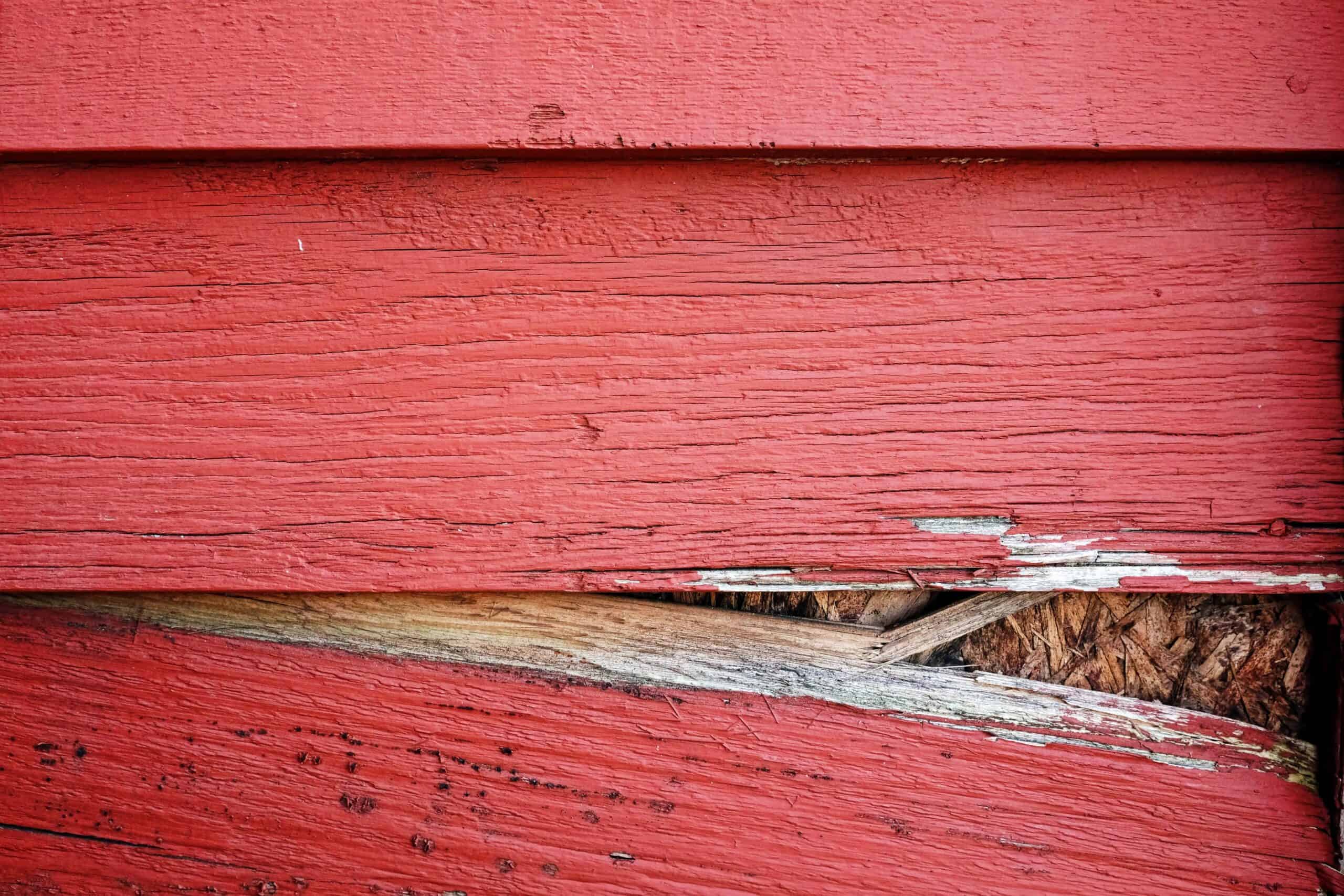
If there is one symptom that deserves immediate attention, it is siding moisture damage.
Water damage has a tendency to spread quietly.
What Happens Behind Siding After Moisture Gets In
The siding surface only tells part of the story.
Once moisture gets behind siding, the damage can spread beyond what you can see. It may soak into insulation, plywood sheathing, studs, and other structural materials. From there, mold can begin to grow, wood can start to rot, and wet insulation can lose much of its effectiveness.
The longer moisture remains trapped, the more damage it can create. Over time, moisture can lead to structural repairs that cost far more than addressing the original siding problem.
This is why attempts to simply cover over visible water damage are usually the wrong call.
The U.S. Environmental Protection Agency notes that persistent moisture is one of the primary causes of mold growth and building material deterioration.
Why Damage Around Windows and Doors Matters
Windows and doors create interruptions in the siding system.
These areas depend on flashing, sealants, and proper installation details to direct water away from the wall assembly.
Look closely for:
• Staining beneath windows
• Soft trim boards
• Bubbling paint
• Recurring leaks
• Gaps where siding meets trim
These locations often reveal problems before other parts of the exterior show visible damage. Proper flashing details and installation guidance around these openings often determine whether water stays outside or reaches the wall assembly.
How Long Does Vinyl Siding, Wood Siding, and Fiber Cement Last?
Condition matters more than age.
Still, homeowners naturally ask, how long does siding last?
Vinyl Siding Lifespan and Performance
Quality vinyl siding can provide decades of service when properly installed and maintained. Age alone does not justify replacement.
Contractors routinely see older siding that remains structurally sound and newer installations that already show signs of moisture intrusion or movement. The condition of the exterior tells you far more than the installation date.
Routine exterior maintenance helps homeowners spot minor siding issues before they turn into expensive repairs. For practical tips on protecting your siding and extending its service life, see our siding care strategies here.
That does not mean every product performs the same. The manufacturer, installation quality, and architectural style of the home all play a role in long-term performance.
Wood Siding and Fiber Cement Lifespans
Wood siding, fiber cement, and even stucco systems can deliver long service lives when moisture management details are handled correctly. The difference is maintenance requirements.
Wood generally requires more attention to paint and moisture management. Fiber cement is often more stable but still vulnerable to installation defects and moisture intrusion when details are neglected. Wood exteriors often require periodic paint coats to maintain protection against weather exposure.
The material matters. Condition matters more.
The U.S. Department of Energy recommends controlling air leakage and moisture movement as part of maintaining overall building performance.
Repair or Replacement? How Homeowners Should Decide
The question is not simply cost.
The question is whether repairs are solving the underlying problem.
When Repairs Are Usually Enough
Repairs often make sense when:
• Damage is isolated
• Existing siding remains structurally sound
• Matching materials are available
• Moisture has not spread behind the wall
• The issue resulted from a specific event
A localized repair can extend service life without requiring a larger project. This is especially true when the damage stands alone and is not part of a broader pattern across multiple walls.
When Siding Replacement Is the Better Investment
Repeated repairs usually signal a larger issue.
When homeowners continue dealing with recurring damage, fading, moisture problems, and warped sections, replace siding or repair siding becomes a much easier decision.
At some point, continuing to patch an aging exterior stops being maintenance and starts becoming a cycle of temporary fixes. Homeowners planning to sell within the next few years often find that ongoing repairs create uncertainty for buyers and inspectors. That is usually the point where replacement delivers better value.
The exact siding replacement cost varies based on materials, house size, and project complexity. What remains consistent is that repeated repairs rarely become cheaper over time.
Homeowners comparing long-term repair costs against replacement should review these siding replacement factors before making a final decision.
What Happens When You Wait Too Long to Replace Siding?
Siding problems tend to get worse quietly. What starts as a small crack, loose panel, or area of water damage can allow moisture to move behind the exterior and reach materials that were never meant to stay wet.
Over time, that trapped moisture can lead to mold growth, weakened sheathing, wet insulation, wood rot, and pest activity. These issues are often hidden from view until the siding is removed or the damage becomes obvious inside the home.
The longer siding failure is left alone, the more involved the repair can become. Replacing damaged siding early is usually much simpler than dealing with the structural damage that can develop behind it.
When to Schedule a Professional Siding Inspection
Homeowners can identify symptoms. They cannot see inside the wall assembly.
An inspection becomes valuable when several warning signs appear together or when repairs keep returning.
What a Contractor Looks for During an Inspection
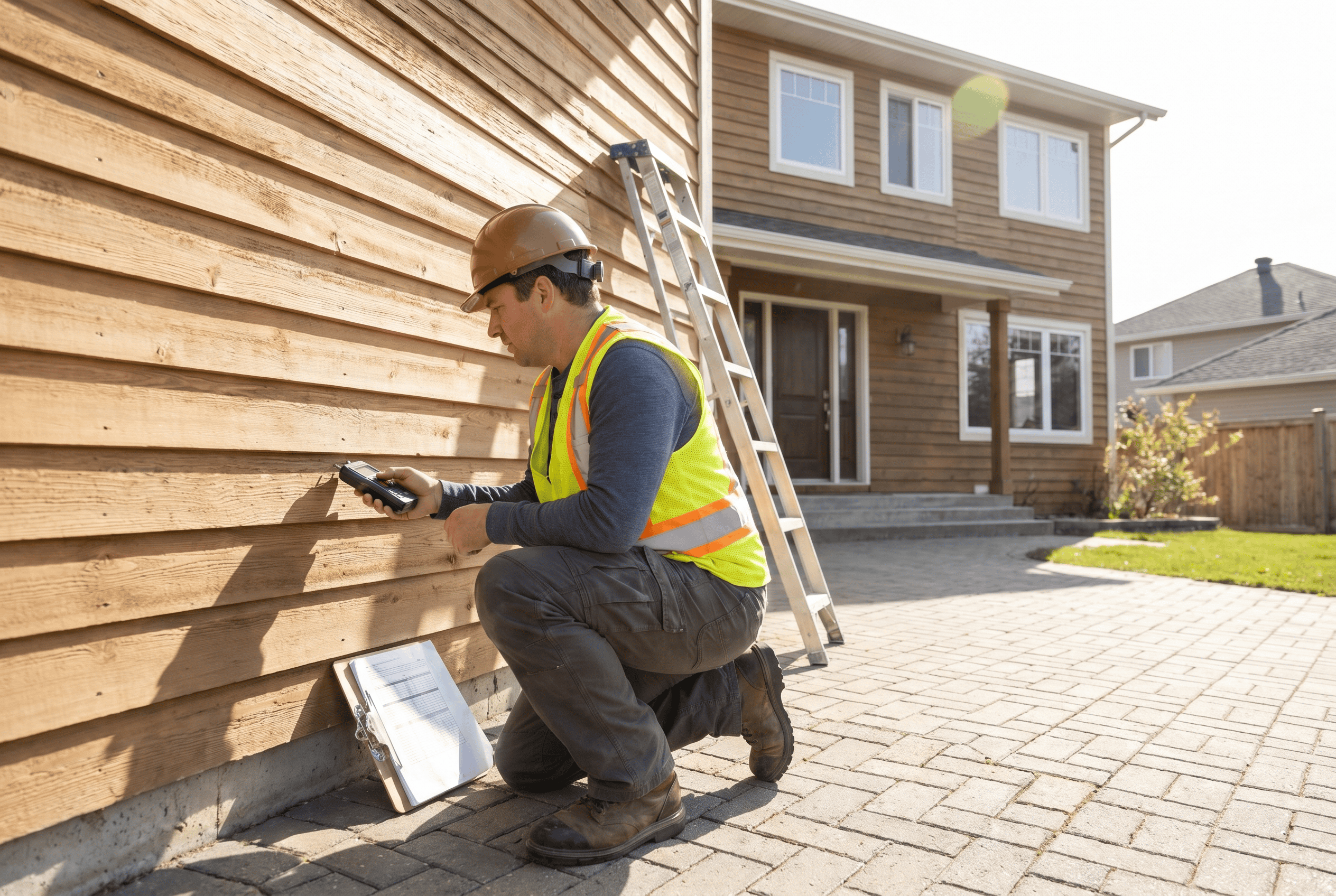
Experienced contractors evaluate more than visible damage. They look for moisture intrusion, installation problems, movement around openings, deteriorated materials, and evidence that the exterior is no longer protecting the house properly.
The goal is understanding the condition of the entire system, not just the damaged area. Contractors also review the overall condition of the wall system rather than focusing on a single damaged page of siding.
Questions to Ask Before Planning a Siding Project
Ask direct questions.
Keep notes during the inspection process and ask for clear explanations of any hidden damage. A reputable contractor should be willing to discuss options in detail and provide a reliable contact for follow-up questions.
Is the damage isolated or widespread?
Can repairs realistically extend the life of the existing siding?
Is moisture reaching materials behind the wall?
How much of the problem is cosmetic and how much affects performance?
Those answers help homeowners decide when to re-side, when to repair, and when replacement becomes the smarter long-term investment.
Maintenance can extend service life, but it has limits. Once significant deterioration begins, maintenance no longer reverses the damage. It only delays the decision.