
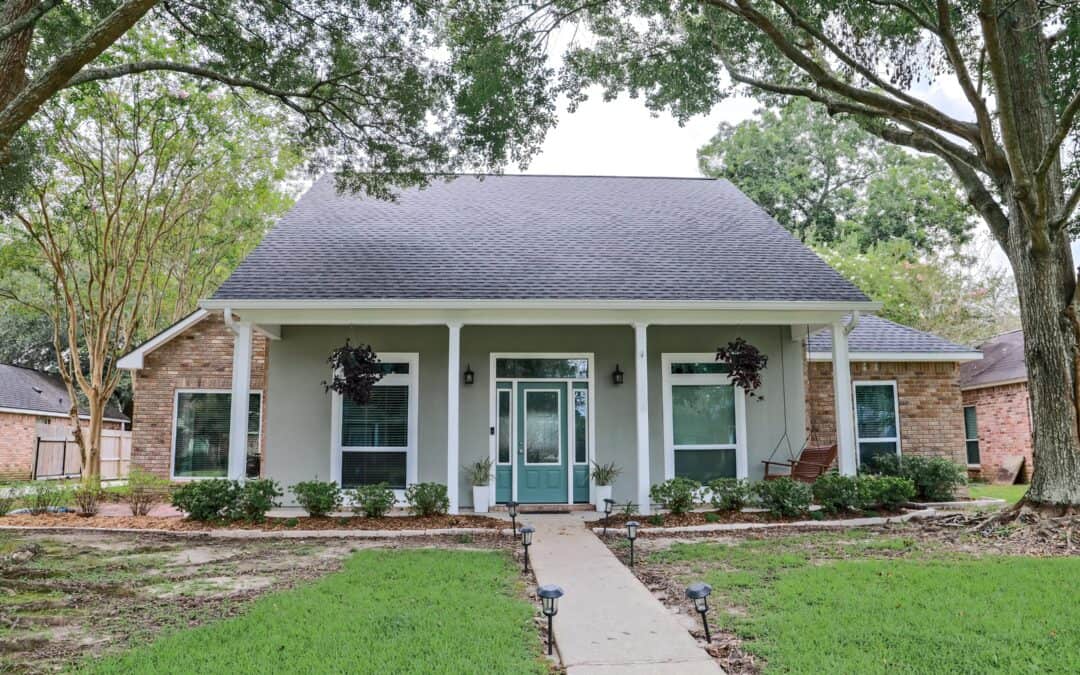
Siding replacement is not just a cosmetic home improvement. Good siding protects the home’s exterior from moisture, pests, drafts, impact, and daily wear. When siding starts failing in several places, the smart question is not “Can we make this look better?” It is “Is the exterior still protecting the house?”
A single ugly panel does not mean the whole house needs new siding. Repeated damage, soft areas, loose panels, mold, buckling, or interior wall symptoms are different. Those signs point to a siding problem that deserves a closer look.
What Siding Replacement Really Solves
Siding replacement solves a performance problem first and a curb appeal problem second.
Keep that order straight. New siding can make a house look cleaner, newer, and better maintained. It may also improve energy efficiency when old siding, poor wall details, or weak exterior protection are part of the comfort problem. But no contractor should promise dramatic utility savings from siding alone. The real value is durability, protection, and fewer recurring exterior issues in the long run.
Old siding often fails gradually. A wall starts to wave. A few panels pull away. Paint will not hold. Water stains return near trim. A drafty room stays uncomfortable even after small repairs. At that point, replacement is not about chasing a trend. It is about stopping a worn-out exterior from creating the next repair.
This siding replacement guide is built around the decision homeowners actually need to make: identify the signs, understand the siding problems, compare repairs against replacement, think through siding materials, and know what a contractor evaluation should include.
Signs Your Siding May Need to Be Replaced
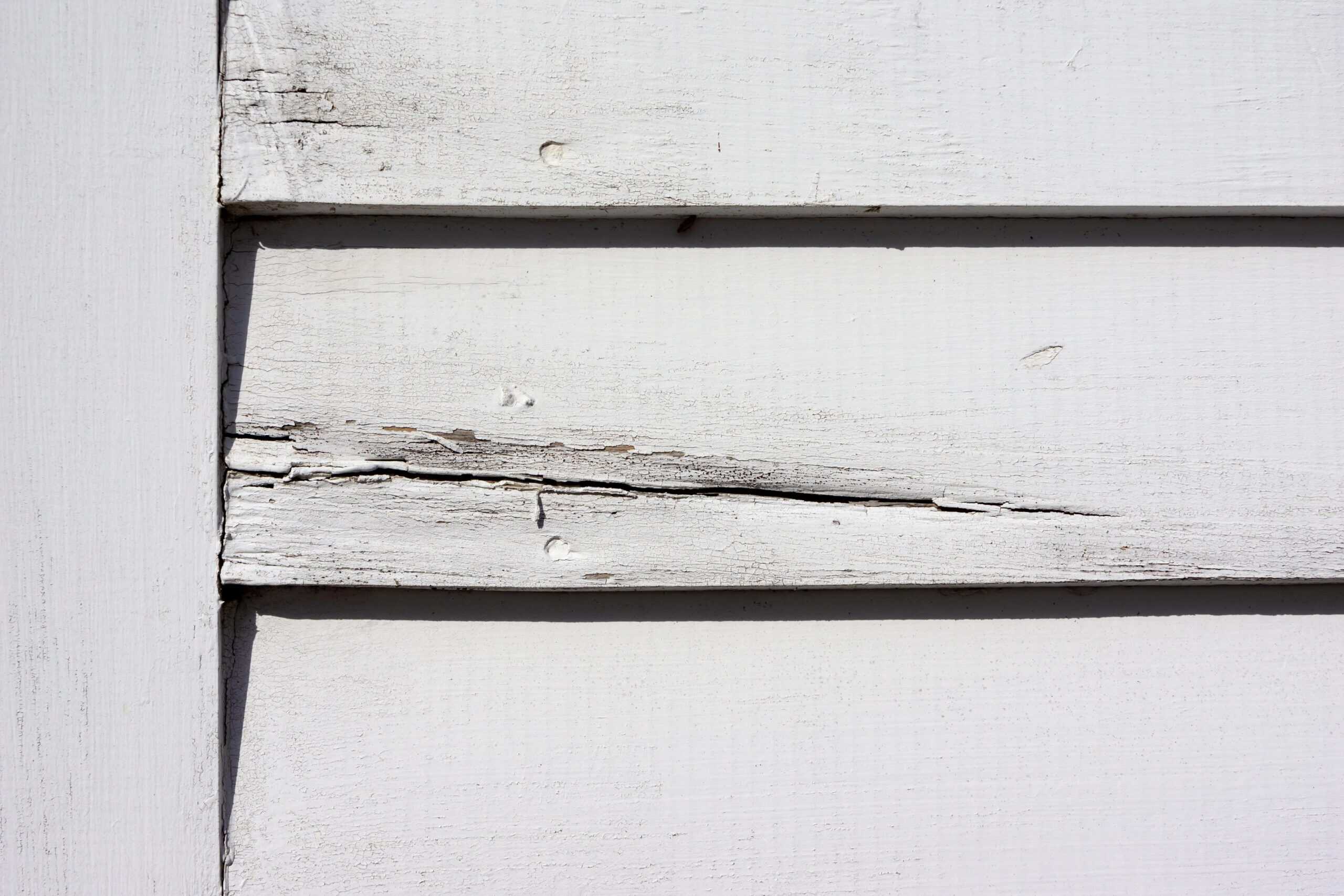
Start with the areas where siding usually fails first. Do not judge the whole house from the driveway. Walk the exterior slowly and look around trim, windows, doors, seams, corners, vents, and utility penetrations.
Those details are where water, movement, heat, and poor installation show themselves. A wide flat wall may look fine while the real damage starts at the edges.
Exterior signs to look for
- Cracked, split, dented, loose, or missing siding: One damaged section may be a repair. Several damaged sections across the house are closer to a siding replacement conversation.
- Warping, buckling, bubbling, or blistering: Siding should sit flat. If boards or panels are distorted, something is moving, trapping heat, holding moisture, or wearing out.
- Soft, swollen, or crumbling areas: Soft siding should not be painted over. It should be inspected.
- Mold, mildew, dark staining, or repeated discoloration: A dirty wall can be cleaned. Repeated staining in the same spot often points to a deeper moisture issue.
- Gaps around trim, windows, doors, seams, corners, vents, and penetrations: Open gaps create entry points for water and pests.
Interior signs on exterior-facing walls
Interior symptoms can show up before homeowners connect the issue to siding. Peeling paint, bubbling wallpaper, warped drywall, staining, musty smells, cold wall surfaces, or rooms that are harder to heat and cool can all be clues.
Those symptoms do not prove the siding is the only problem. Windows, doors, ventilation, roofing edges, and other exterior details can be involved. Still, if the interior symptom lines up with damaged existing siding outside, do not treat it as a paint problem.
The wrong fix is painting the inside wall and caulking the outside without understanding where the moisture came from. That may buy time, but it does not solve the failure.
Common Siding Problems Homeowners Should Watch For
Siding problems are usually not random. They repeat in the same types of places because water, heat, age, and movement punish weak details.
The material changes the symptoms, but the pattern tells the story. Vinyl siding, wood siding, and fiber cement siding can all fail when moisture gets behind the surface or when the installation does not allow the materials to perform correctly.
Mold, moisture, and mildew
Mold on the outside of a house can be surface-level, especially in shaded areas. But repeated mold in the same area deserves attention.
Look around lower walls, window trim, door trim, roofing edges, vents, and places where siding meets another material. Moisture often collects where the exterior has a transition. If staining keeps coming back after cleaning, the siding may not be shedding water the way it should.
Homeowners often make the wrong call here. They pressure wash the wall, see a clean surface, and assume the problem is gone. If the siding has gaps, soft areas, or failed trim details, aggressive washing can push water into weak spots.
For a deeper look at this issue, see the guide on mold on the outside of your house.
Buckling, warping, bubbling, and distortion
Siding buckling is not the problem. It is the sign of the problem.
Buckling can come from heat, trapped moisture, fasteners installed too tightly, poor spacing, wall movement, or old siding that no longer handles expansion and contraction well. Vinyl can wave or distort. Wood can swell. Fiber cement can show issues when water management or installation details are wrong.
If buckling appears in one isolated spot, it may be repairable. If several walls show distortion, snapping panels back into place is usually the wrong call. The contractor should be asking why the existing siding moved.
The dedicated article on siding buckling is the better place to go deeper.
Dry rot, soft spots, and hidden decay
Dry rot in siding should be taken seriously because the visible siding may only be the first layer affected. Once siding feels soft, swollen, crumbly, or damp, the concern moves behind the surface.
Sheathing, insulation, wall cavities, and sometimes structural details may need to be checked. That does not mean every soft spot is a disaster. It means the repair should be based on what is actually damaged, not what is easiest to cover.
Painting over soft wood is wasted money. Caulking a crumbling edge is not a fix. If the area is compromised, the damaged material needs to be opened enough to understand the scope.
Read more about dry rot in siding before agreeing to a surface-only repair.
Vinyl, wood, and fiber cement siding issues
Vinyl siding can crack, loosen, fade, warp, or distort over time. Older vinyl can become brittle enough that repairs cause more cracking around the work area. New vinyl siding can improve curb appeal, but installation quality still decides how well it performs.
Wood siding has a different problem. It can look great, but it needs regular maintenance. If paint or stain keeps failing, or if the wood is repeatedly soft near trim and lower walls, replacement may make more sense than another round of patching.
Fiber cement siding is often chosen for durability and a more substantial appearance. Fiber cement can be a strong option, but it is not magic. The materials still need proper clearance, fastening, flashing details, and water management.
For vinyl-specific diagnosis, see vinyl siding problems.
Cosmetic Aging vs. Serious Siding Failure
Faded siding is not automatically a reason for siding replacement. Some old siding looks tired but still protects the house.
Homeowners who are not ready for replacement can also review basic siding maintenance steps to help protect the exterior longer.
Serious failure is different. It affects moisture protection, durability, comfort, and maintenance. A homeowner should not panic over every scuff, but they also should not ignore a pattern.
Usually more cosmetic
Light fading, older color changes, small dents, minor scuffs, and one loose panel after wind are usually more cosmetic. If there is no moisture, mold, softness, cracking, interior damage, or repeated repairs, full replacement may not be urgent.
A good contractor earns trust by saying, “This can probably be repaired,” when the damage is truly isolated.
More likely to be serious
Widespread cracking, open gaps, missing sections, buckling across several walls, soft areas, swelling, recurring mold, or interior paint failure are more likely to be serious.
Repeated maintenance is another clue. If caulk keeps splitting, paint will not hold, panels keep coming loose, and repairs no longer last, the existing siding is telling you something.
Replacement becomes more practical when the house has moved from occasional maintenance to constant patching.
Should You Repair Your Siding or Replace It?
Repair feels safer because the immediate cost is smaller. Sometimes repair is exactly the right move. But repeated repairs can become the more expensive path in the long run.
For a closer look at the full replacement decision, see this guide on replacing siding on a house.
A good contractor should not push replacement just because it is a bigger siding project. They also should not pretend a patch will fix a wall that is already failing in several places.
A small repair may be enough when
- The damage is limited to one small area: Impact damage, one broken section, or one loose panel can often be repaired.
- The existing siding is newer and otherwise performing well: A healthy wall around the damaged area is a good sign.
- There are no signs of moisture, mold, rot, or interior damage: Surface damage is easier to fix than hidden damage.
- The issue came from a clear one-time event: A branch, grill, or accidental impact is different from recurring failure.
- Matching materials are available: If the repair cannot match or the old siding breaks during work, replacement may become cleaner.
Replacement may be smarter when
Replacement may be smarter when the same repairs keep coming back, multiple sides of the house show damage, panels are brittle or pulling away, or moisture symptoms are present.
The repair trap looks like this: one wall gets patched, then another wall fails, then trim softens, then a panel cracks during the next repair. The homeowner feels like they are saving money each time, but the budget keeps leaking out through small jobs.
Replacement costs vary based on project scope, access, siding materials, square foot, trim details, unexpected repairs, and local requirements. That is why a quick price without a real inspection is not worth much.
Cost factors without turning this into a cost guide
Replacement costs can vary based on the size of the siding project, material choice, labor fees, access, scaffolding, site conditions, trim work, windows, doors, and exterior details. Building permits may also be part of the plan depending on local rules.
The more honest pricing conversation is scope. What is included? What happens if hidden damage is found? How will unexpected repairs be handled? Which areas are being replaced, and which areas are only being patched?
A low number with vague details is not a win. It is a future argument.
Choosing Siding Materials for Your Home’s Exterior
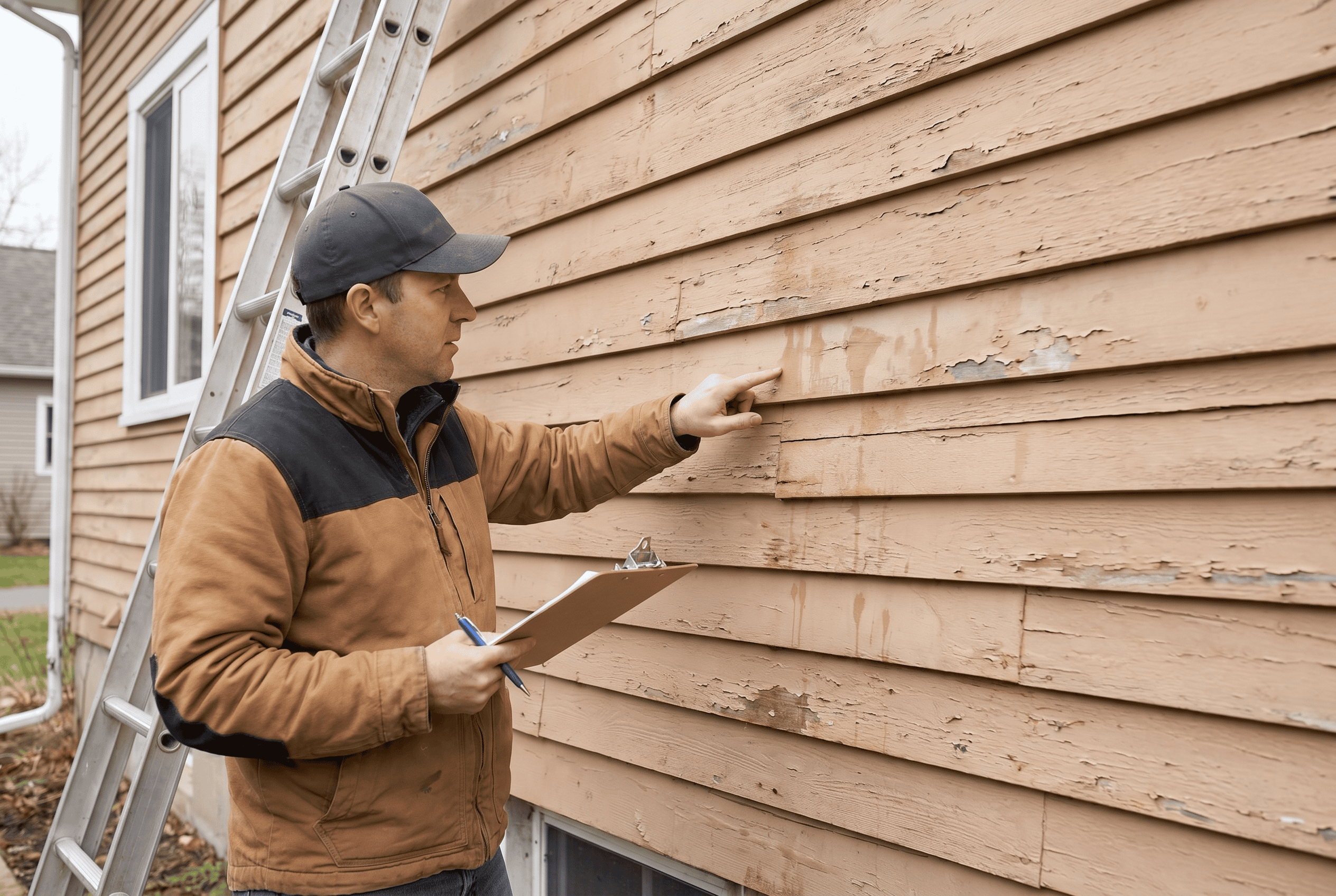
Siding materials should be chosen around the house, the maintenance expectations, the desired curb appeal, the budget, and the level of durability the homeowner wants.
This should not turn into a long brand comparison. The better question is practical: which siding material options fit how the home is built and how much maintenance the homeowner is willing to take on?
Vinyl siding
Vinyl siding is often chosen because it is widely available, lower maintenance, and available in many profiles and colors. New vinyl siding can be a clean upgrade when old siding is faded, cracked, loose, or mismatched from years of repairs.
The mistake is thinking vinyl is automatically easy. Poor installation can still create moisture issues, buckling, gaps, and weak details around trim, windows, and doors.
Fiber cement siding
Fiber cement siding is often valued for durability, weather resistance, and a more substantial look. James Hardie is a familiar fiber cement brand many homeowners recognize.
Fiber cement does not remove the need for professional installation. It still needs correct clearances, fastening, joint details, trim planning, and moisture control. Installed poorly, good materials still become a bad project.
Wood siding and maintenance expectations
Wood siding can look natural and attractive, but it asks more from the homeowner. Regular maintenance is part of the deal.
If wood needs repeated repainting or staining and the same areas keep failing, replacement may be the better long run decision. Wood should be checked carefully for rot, moisture, swelling, and soft spots before another maintenance cycle.
Fire resistant and weather-aware choices
Fire resistant siding may matter in higher-risk areas, but this article is not the place for a fireproof siding deep dive. The practical point is simple: material choice should match the home’s exposure, maintenance expectations, and exterior risk factors.
For that topic, read Fireproof Siding: What Homeowners Should Know.
What to Expect During a Siding Replacement Project
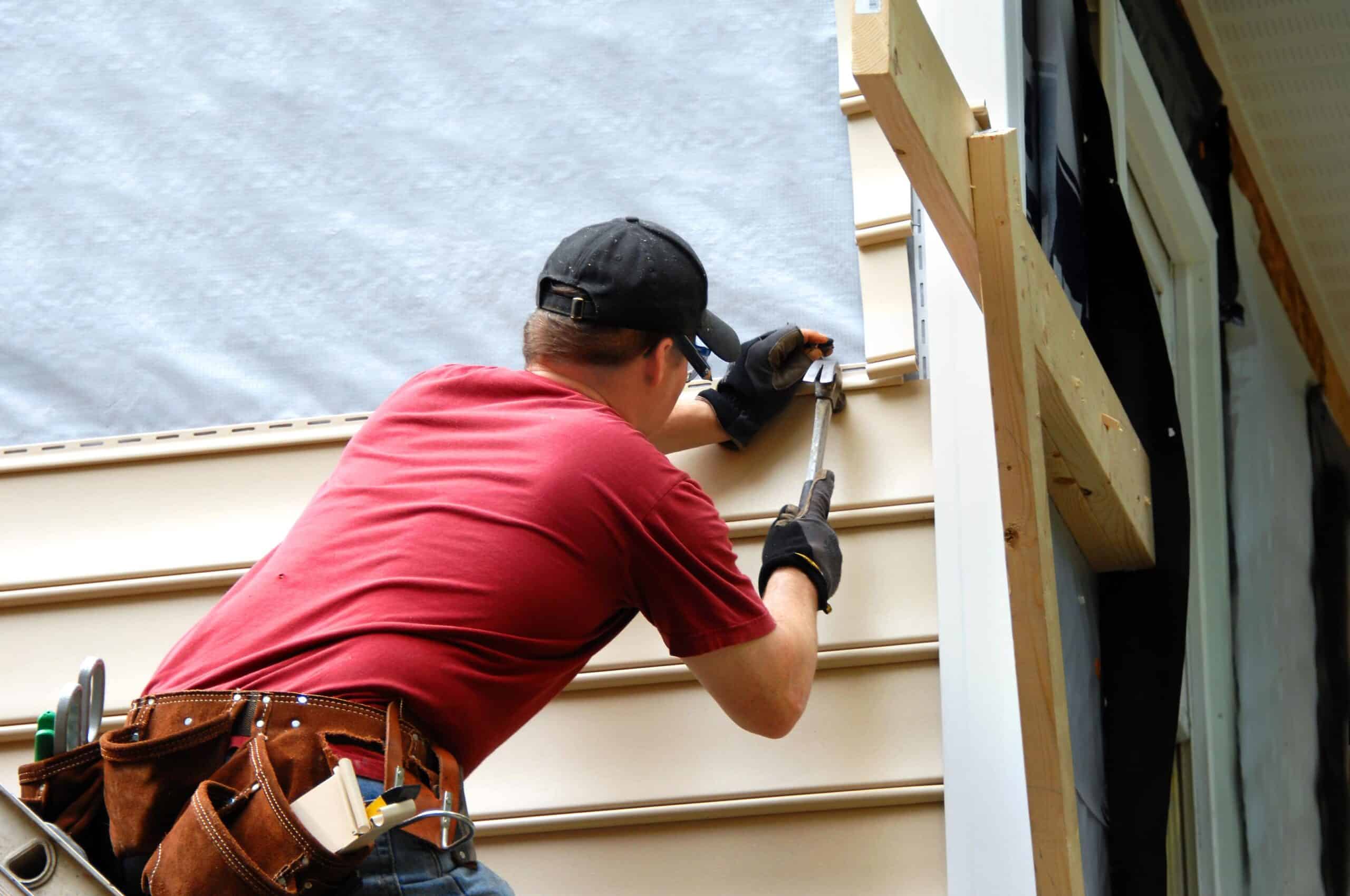
A siding replacement project is not just an install day. It is a process, and the process is where good siding installers separate themselves from rushed crews.
Most siding replacement projects often take about 7 to 14 days, depending on square foot, access, weather, crew size, materials, and unexpected repairs. A small straightforward house may move faster. A larger siding project with scaffolding, difficult access, old siding problems, or hidden damage can take longer.
Before the installation crew arrives
Before the installation crew arrives, the contractor should confirm the materials, schedule, access, dumpster timing, and jobsite plan. Homeowners should know where materials will be staged and what needs to be moved.
Ask whether building permits are needed. Clear patio furniture, grills, fragile items, and landscaping access around the house. If pets, gates, driveways, or tight side yards are part of the project, talk about that before the team shows up.
Good communication at this point prevents half the avoidable frustration.
Removing old siding and checking the walls
The team may need to remove old siding before they can see what is underneath. That is normal.
Once the existing siding is off, the contractor should inspect the wall condition, sheathing, moisture damage, and structural integrity where there are concerns. This is when unexpected repairs may come up.
The important part is communication. Hidden damage should be shown and explained before the project continues. A homeowner should not get a surprise bill with no photos, no explanation, and no clear reason.
Weather resistant barrier and new siding installation
A weather resistant barrier helps protect the wall system before new siding installation begins. It is not the flashy part of the job, but it matters.
The installation should include careful details around trim, doors, windows, corners, vents, penetrations, and lower wall areas. The visible siding is only as good as the details around it.
Cleanup and the final walkthrough also matter. A contractor should leave the job clean, review the work, explain any maintenance expectations, and make sure the homeowner understands what was installed.
What a Professional Siding Evaluation Should Include
A professional siding evaluation should be more than a quick look and a price. If a contractor skips the details, the proposal will skip them too.
The best siding services start with diagnosis. The contractor should explain what is cosmetic, what is repairable, what suggests larger failure, and what should be checked if old siding is removed.
What the contractor should inspect
A good contractor should inspect loose, cracked, warped, buckled, or missing siding. They should look for mold, mildew, staining, softness, swelling, rot, and areas where water drains, splashes, or collects.
They should also check trim, windows, doors, vents, corners, seams, and penetrations. These are not side details. They are where many siding installation failures begin.
If homeowners have interior warning signs, those should be discussed too. Cold walls, musty smells, warped drywall, and peeling paint can help the contractor understand whether the exterior problem is affecting comfort or wall performance.
What the proposal should explain
A good proposal should explain what is failing and why it matters. It should say whether repairs or replacement make more sense and which parts of the house are included.
It should also explain how the siding ties into trim, windows, doors, and exterior details. If unexpected repairs are possible once old siding is removed, the plan should say how those will be handled.
Pricing should be clear enough that customers understand the budget and scope. “Siding services” is not enough. The service description should make the project understandable.
Planning your next step with NTY Windows
If your siding is damaged in more than one place, the next step is not guessing. Have the exterior inspected so you know whether a targeted repair is enough or whether siding replacement is the better long-term plan.
NTY Windows helps homeowners evaluate siding, windows, and exterior doors as connected parts of the home’s exterior. If your siding is cracked, buckling, soft, repeatedly stained, or affecting comfort inside the house, learn more about NTY Windows’ siding services and schedule an evaluation.