

Most homeowners assume mold on outside of house surfaces is only a cleaning issue. Sometimes that’s true. Dirt, shade, and moisture can allow outdoor mold to form even when siding is still in good condition.
However, recurring growth often points to a larger moisture problem. When mold repeatedly appears around windows, doors, trim, or lower wall sections, the real question becomes why those areas stay wet.
What Does Mold on the Outside of a House Mean?
Common Types of Exterior Growth
Homeowners often call every dark stain mold, but several forms of biological growth can appear on a home’s exterior. You may see black mold, green staining, mildew, algae, or other forms of fungus.
The exact organism matters less than the conditions allowing it to grow.
Why Mold Growth Happens Outdoors
The outside of every house is exposed to airborne mold spores. When spores land on damp surfaces, they can begin growing.
Mold thrives where there is moisture, shade, organic debris, and limited drying. Dirt, pollen, leaves, and dust often create a surface that holds moisture longer.
Persistent mold growth usually indicates an area that stays wet longer than surrounding walls.
Common Causes of Mold Growth on Siding
Shade and High Humidity
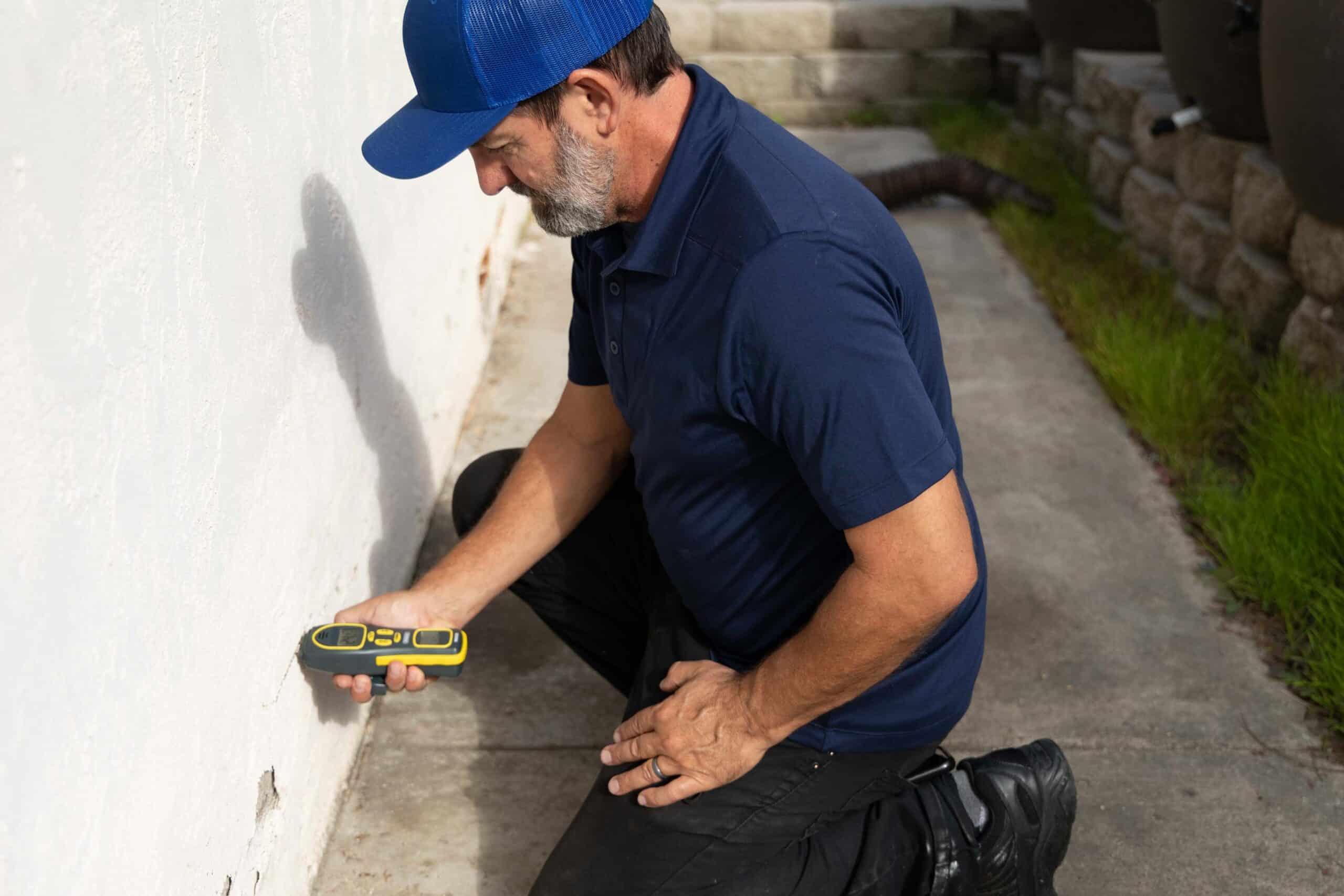
North-facing walls, dense landscaping, and areas with high humidity often experience more mold than sun-exposed surfaces.
When siding receives little sunlight and limited fresh air, moisture remains on the wall longer and supports growth.
Drainage Problems Around the Home
Many mold issues begin with water management. Overflowing gutters, poor grading, and standing water near the foundation can keep siding wet. Repeated exposure to excessive moisture may eventually contribute to water damage.
If mold consistently appears in the same area, inspect drainage before assuming the siding has failed.
Windows, Doors, and Exterior Openings
Failed caulk, damaged flashing, and gaps around windows and doors can allow moisture behind exterior materials.
Even an air conditioner condensate line can keep one section of siding damp. In some cases, hidden moisture affects nearby insulation and wall components before homeowners notice visible damage.
Is Outdoor Mold a Health Concern?
Potential Health Effects
Exterior mold generally creates fewer concerns than indoor mold because moving air disperses spores.
Still, some people experience health effects from mold exposure. Possible symptoms include a sore throat, coughing, watery eyes, allergies, skin rash, and other minor health problems. The Centers for Disease Control and Prevention notes that mold exposure can affect sensitive individuals and contribute to respiratory irritation and reduced air quality concerns.
People with asthma may be especially sensitive.
How to Minimize Exposure
When working around visible mold, wear protective clothing and avoid disturbing dry growth unnecessarily.
To minimize exposure, schedule cleaning when weather conditions allow spores to dissipate outdoors rather than collect around work areas.
How to Remove Mold From Exterior Surfaces
Safe Mold Removal Methods
For many cases, mold removal starts with water, a soft brush, and a mild detergent solution.
Most siding manufacturers recommend gentle cleaning methods before stronger treatments. Many mold deposits are limited to the surface and can be removed without damaging the siding. The U.S. Environmental Protection Agency recommends using appropriate cleaning practices and addressing moisture sources to help protect surfaces from recurring mold.
Cleaning Precautions
Use rubber gloves and eye protection while cleaning.
Never mix bleach with ammonia-based products. Doing so can create dangerous toxic fumes.
When cleaning hard surfaces, focus on removing visible growth without forcing water behind siding panels.
Avoid Creating New Moisture Issues
Aggressive pressure washing sometimes causes more problems than it solves.
Water driven behind siding can create a hidden moisture problem, increasing the risk of future staining and future mold growth.
When Mold Indicates a Bigger Siding Problem
Warning Signs Beyond Surface Staining
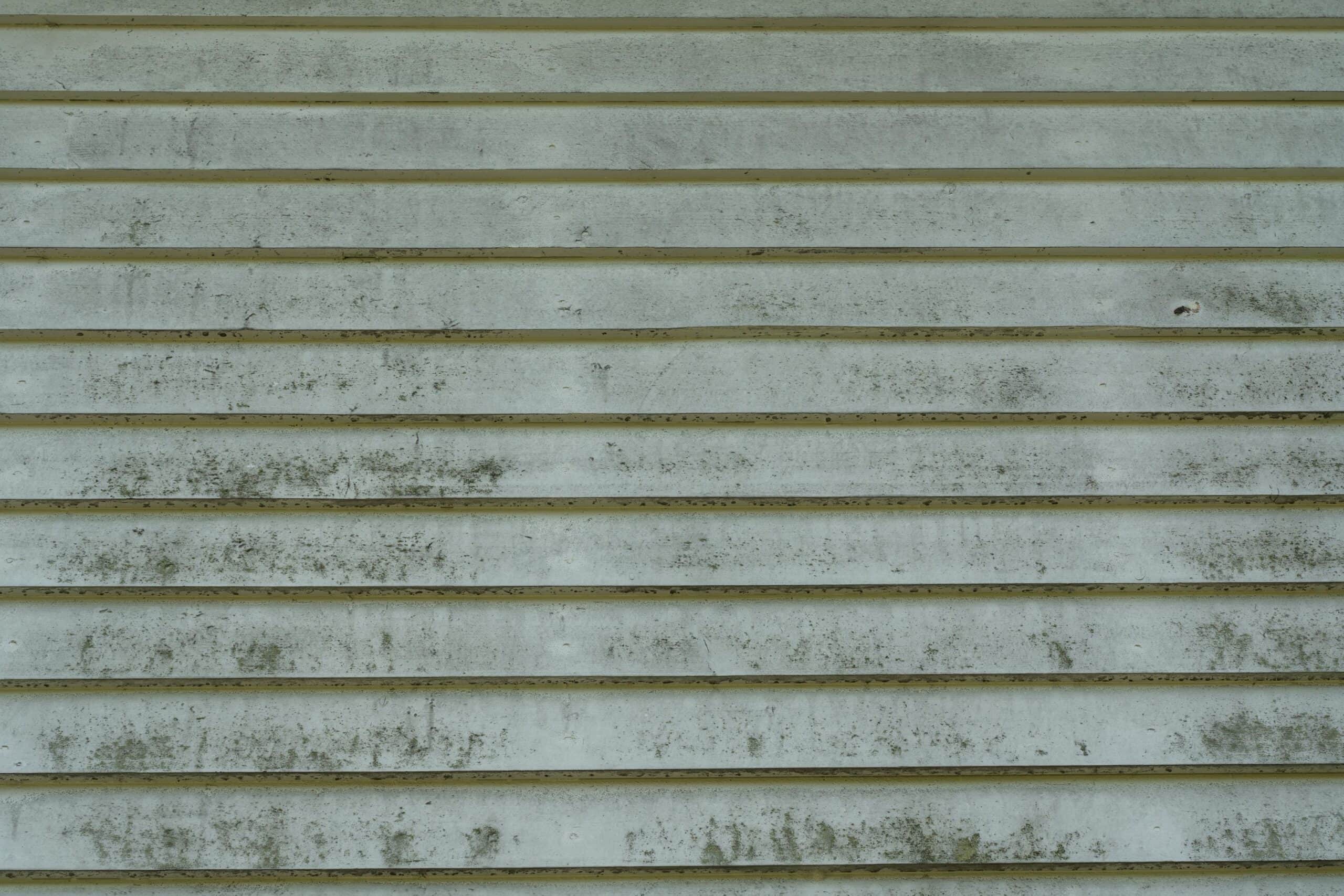
A recurring mold problem may signal hidden moisture intrusion.
Watch for loose panels, warped siding, peeling paint, soft trim, persistent discoloration, or visible deterioration around seams. Many of these symptoms also appear alongside common vinyl siding issues that allow moisture to linger behind exterior materials.
These symptoms often indicate moisture is reaching areas behind the visible surface.
Check for Water Leaks
Exterior mold frequently traces back to water leaks.
Inspect gutters, downspouts, flashing, utility penetrations, and roof transitions. Moisture entering behind siding can remain trapped long enough to support ongoing growth.
Ventilation and Drying Concerns
Although outdoor walls benefit from natural airflow, blocked ventilation holes, dense landscaping, and areas with poor ventilation can slow drying.
In some locations, insufficient ventilation around wall assemblies contributes to recurring moisture conditions.
Why Mold Keeps Returning
Repeated cleaning does not solve the underlying cause.
If moisture remains present because of drainage issues, leaks, damaged flashing, or aging siding, mold will continue returning. In many cases, moisture-related deterioration can eventually lead to hidden dry rot damage within trim and structural components. Addressing the source of moisture is the most effective way to prevent mold.
How to Prevent Mold Growth
Maintenance Habits That Work
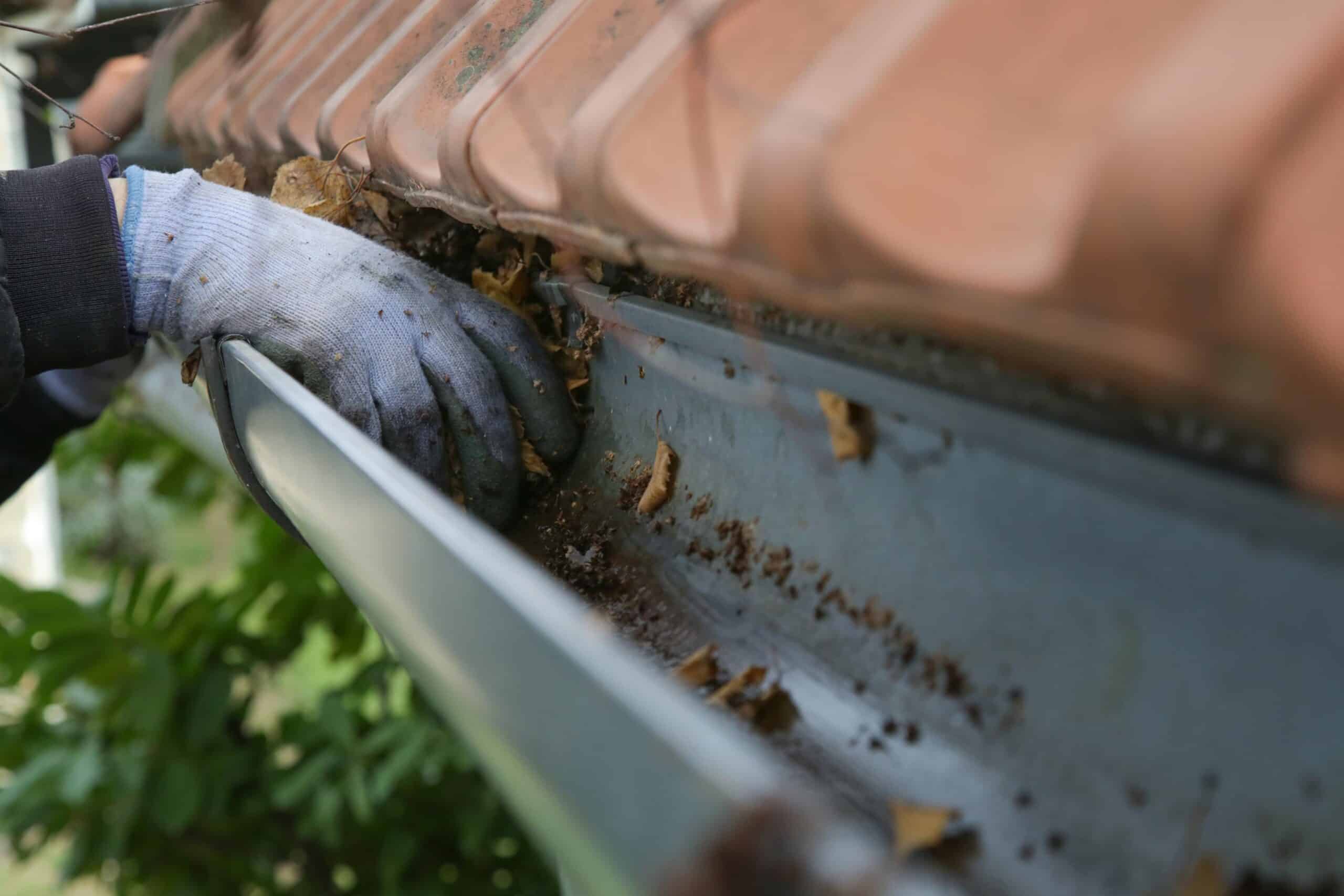
Routine maintenance helps prevent mold growth before it becomes a recurring issue.
Keep gutters clear, trim vegetation away from walls, remove debris buildup, and inspect exterior sealants regularly. Following consistent siding maintenance practices helps identify moisture concerns early and can extend the life of exterior cladding systems.
Improve Airflow Around the House
More sunlight and airflow reduce the amount of time surfaces stay wet.
Maintain clearance between shrubs and siding, improve drainage around the ground near the home, and encourage better drying conditions around exterior walls.
Protect Siding From Future Mold Growth
The best defense against future mold growth is moisture control.
By managing runoff, repairing leaks quickly, and maintaining siding components, homeowners reduce the conditions that allow mold to develop.
When to Call a Siding Contractor
Signs an Inspection Is Needed
Consider a professional inspection when:
• Mold returns shortly after cleaning.
• Siding is warped, loose, or visibly damaged.
• Stains appear around windows or doors.
• Soft spots or rot are present.
• Water remains on the wall after rain.
When Siding Replacement Makes Sense
If moisture intrusion has caused widespread deterioration, repeated repairs may not be the most cost-effective solution.
A qualified contractor can determine whether you’re dealing with surface mold, localized repairs, or conditions that justify replacement.
If recurring mold has you questioning the condition of your siding, schedule a thorough evaluation and determine whether repair or replacement is the most practical long-term solution.