
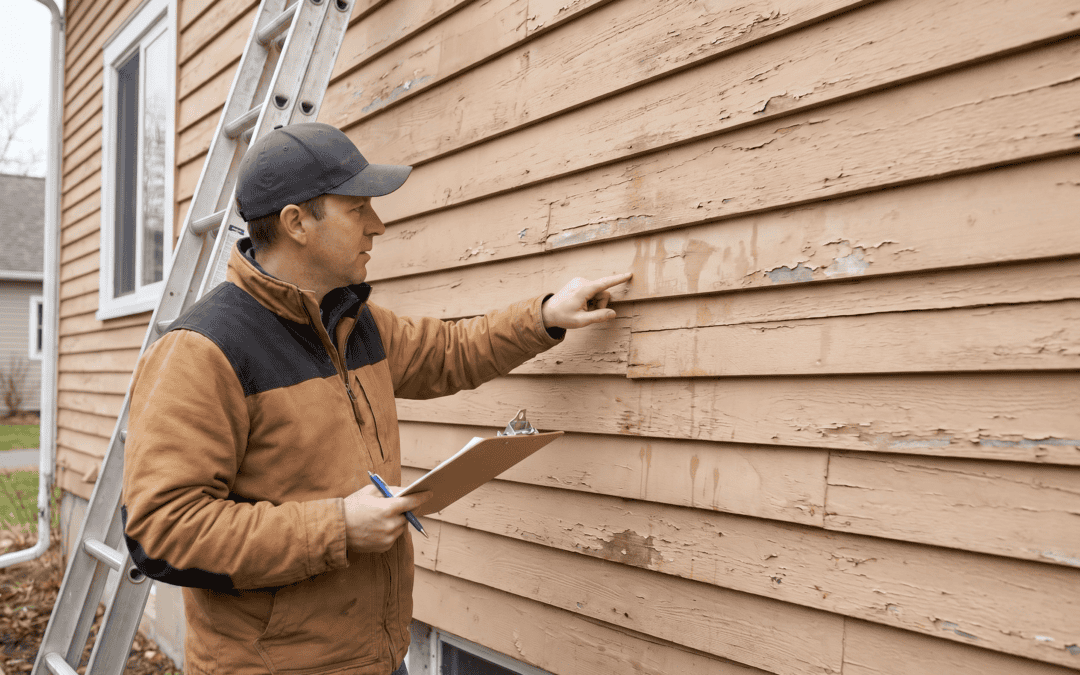
Siding maintenance is not about keeping your house looking nice. It is about keeping water out.
Most siding failures start the same way: a small crack, failed caulking, a loose panel, or moisture getting behind the exterior where nobody notices it. By the time the damage becomes visible inside the house, the repair is usually larger and more expensive than the original problem.
Many homeowners choose a siding material because it is advertised as low maintenance. That helps, but no siding is maintenance-free. Even low maintenance siding benefits from regular attention. Regular maintenance protects durability, preserves curb appeal, and helps your investment last for decades.
Why Siding Maintenance Matters for Your Home’s Exterior
Protection Beyond Appearance
Siding is your home’s first defense against constant exposure to rain, sunlight, temperature changes, and moisture.
When siding is maintained properly, it helps protect the wall system underneath. When maintenance gets ignored, moisture penetration can work its way behind the exterior and create damage that stays hidden for months or years.
A house can have siding that still looks decent from the street while mold, rot, or water damage develops underneath.
Small Maintenance Issues Become Bigger Problems
A loose panel rarely stays a loose panel.
Water finds openings around siding, trim, windows, and doors. Once moisture gets behind the exterior, repair needs tend to escalate quickly. What started as a small maintenance issue can become damaged sheathing, mold growth, or structural repairs.
Homeowners often focus on visible damage. Contractors spend more time worrying about hidden moisture because that is where the expensive problems begin.
Inspect Regularly: What Homeowners Should Look For
A Homeowner’s Siding Inspection Checklist
Inspect regularly at least once or twice per year.
A basic siding inspection checklist should include:
• Cracks, gaps, and holes
• Loose or warped panels
• Fading or unusual wear patterns
• Areas where siding is pulling away from the house
• Signs of moisture or staining
• Visible insect damage
Most problem areas reveal themselves long before major repairs are needed. Learning to recognize early signs siding needs repair can prevent larger issues later and help homeowners address moisture concerns before replacement becomes necessary.
Walk around the entire house during daylight hours. Look at areas that receive the most weather exposure as well as walls that remain shaded for much of the day. Different conditions often reveal different types of wear.
Watch Areas Around Windows, Doors, and Trim
If there is one area homeowners consistently underestimate, it is the transition points.
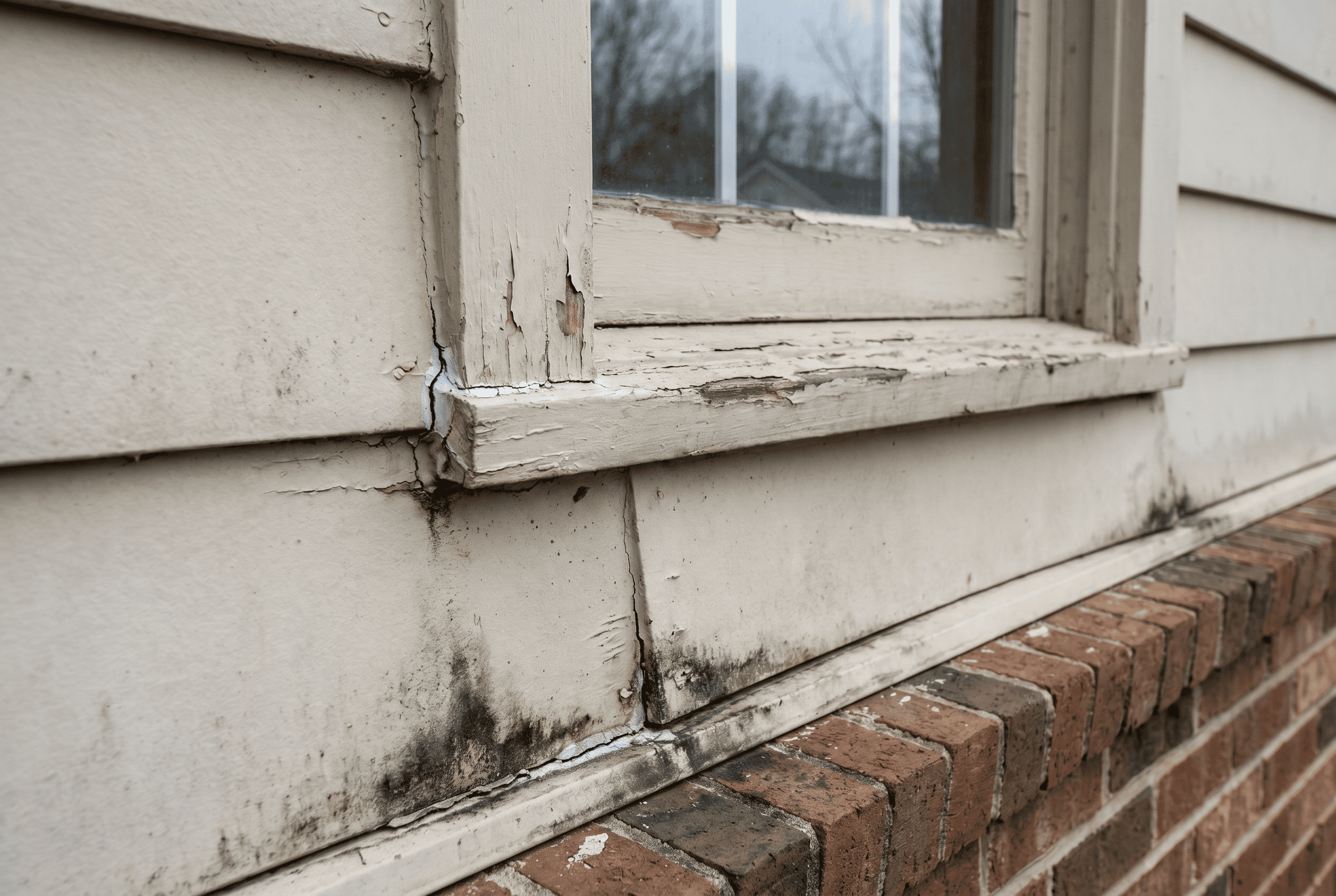
Windows, doors, and trim create seams where water can enter. Failed caulking often allows moisture penetration before siding itself shows any obvious damage.
Look closely for separation around trim boards, cracked sealant, soft spots, or staining beneath windows. Those areas deserve more attention than the middle of a siding wall.
Mold, Mildew, and Rot Warning Signs
Mold growth on siding should never be dismissed as purely cosmetic.
Sometimes mold and mildew are surface issues caused by shade and moisture. Other times they point to ongoing moisture problems behind the exterior. The EPA notes that moisture control is one of the most important factors in preventing mold growth and related building damage (EPA moisture guidance).
If you notice recurring mold on the outside of your house in the same location, investigate further because repeated growth often indicates a moisture source that should be addressed rather than simply cleaned.
Rot, persistent mildew, and insect damage often travel together. When moisture stays trapped, all three become more likely. Debris and vegetation pressed against siding can also trap moisture and create ideal conditions for deterioration.
Cleaning Your Siding Without Causing Damage
What Is the Best Way to Clean Siding?
Homeowners often ask how to clean siding properly.
For most homes, routine cleaning is straightforward. Start with a garden hose, a soft cloth, a soft brush, or a soft bristled brush, along with a mild solution of dish soap mixed with clean water.
Many contractors use a simple mixture of dish soap and water rather than stronger cleaners. A common approach is a small amount of soap mixed with several parts water to create a gentle cleaning solution.
Wet the surface first. Use gentle scrubbing to remove dirt, dust, and organic buildup. Rinse thoroughly from top to bottom to prevent streaking.
Clean siding does more than improve appearance. It helps reveal developing problems before they become repairs.
How Often Should Siding Be Cleaned?
Annual cleaning works well for most homes.
Homes surrounded by trees usually need more frequent attention because leaves, debris, and moisture stay on the surface longer. Areas with significant shade may also experience faster mold and mildew buildup.
The answer to “how often should siding be cleaned?” is usually once a year, then more often if conditions demand it.
What to Avoid During Cleaning
Some cleaning methods create more damage than the dirt they remove.
Avoid:
• Harsh chemicals and aggressive chemicals
• Abrasive pads or stiff brushes
• High-heat cleaning equipment
• Products not approved for your siding material
When in doubt, gentler cleaning wins.
Pressure Washing: When It Helps and When It Hurts
Can You Pressure Wash Siding Safely?
Yes, but most homeowners should be cautious.
Low-pressure washing can help remove stubborn buildup from some siding materials. The spray angle matters as much as the pressure itself. Water should never be forced upward beneath panels or trim.
A power washer is a useful tool when used correctly. It becomes a problem when speed matters more than control.
How Pressure Washing Causes Damage
Too much pressure is usually the mistake.
Contractors regularly see siding damaged by pressure washing. Excess pressure can crack vinyl, force water behind panels, strip paint from wood siding, and damage trim around windows.
The bigger concern is not what happens on the surface. It is the water that ends up where you cannot see it. Building science experts at the U.S. Department of Energy consistently emphasize managing moisture intrusion because hidden moisture can lead to long-term wall-system damage (Department of Energy guidance).
If pressure washing becomes necessary, use the lowest effective pressure and prioritize a thorough rinse over aggressive cleaning.
Material-Specific Siding Maintenance Tips
Vinyl Siding Maintenance Tips
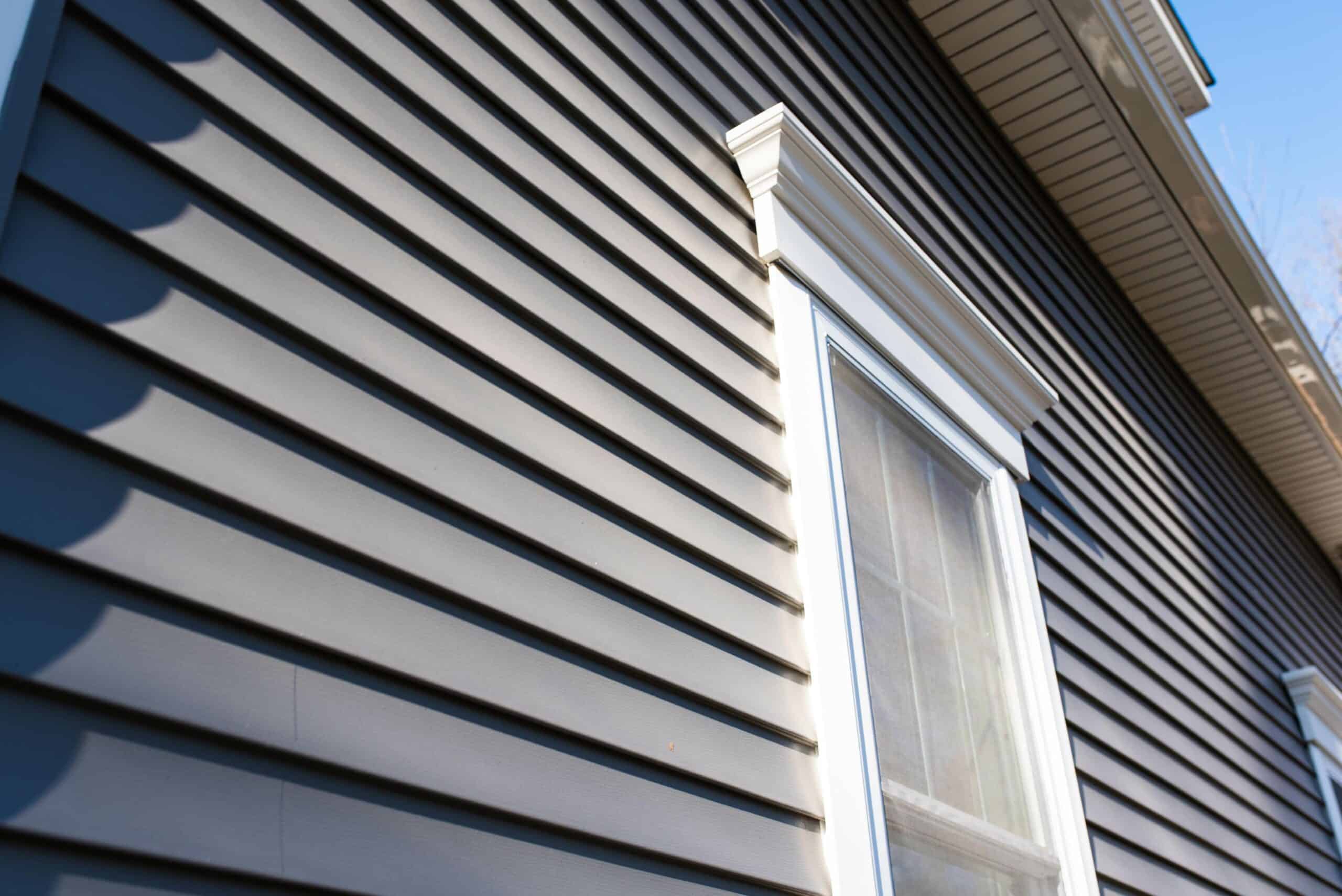
Vinyl siding maintenance is generally simple.
Inspect vinyl siding for cracks, loose panels, impact damage, and areas exposed to excessive heat. Vinyl expands and contracts, so occasional movement is normal. Buckling is not.
Routine cleaning with a garden hose and mild soap handles most maintenance needs.
Fiber Cement Siding Maintenance, Including James Hardie
Fiber cement siding offers excellent durability, but it still requires attention.
Fiber cement siding maintenance includes periodic cleaning with a garden hose and soft bristled brush, along with inspection of paint, caulking, and trim connections.
Many homeowners choose James Hardie products because they balance durability with relatively low maintenance requirements. The weak points are usually joints, trim details, and neglected paint—not the fiber cement itself.
Wood Siding Maintenance: Paint, Sealing, and Rot Prevention
Wood siding rewards maintenance and punishes neglect.
Paint and sealing help control moisture. Once coatings fail, wood becomes vulnerable to rot, mildew, and insect damage.
Pay close attention to trim connections, caulking joints, and areas that stay wet after rainfall. Wood siding repairs tend to multiply when moisture is allowed to linger.
Don’t Forget the Areas That Affect Siding Performance
Gutters and Drainage Matter More Than Many Homeowners Realize
A surprising number of siding problems begin with water management.
Overflowing gutters dump water directly against siding. Splash-back near the foundation increases moisture exposure. Poor drainage keeps wall systems wet longer than they should be.
Fixing drainage problems often prevents future siding repairs.
Vegetation, Caulking, and Trim Maintenance
Shrubs pressed against siding create constant moisture and reduce airflow.
Keep vegetation trimmed back. Inspect caulking regularly. Check trim for movement, separation, or deterioration. These details seem minor until moisture finds a way behind them.
When Maintenance Points to Siding Replacement

Signs Maintenance Is No Longer Enough
Sometimes maintenance stops being the right solution.
Recurring repairs in the same area, persistent mold, repeated moisture penetration, widespread deterioration, or significant buckling usually signal a larger issue.
If you are researching signs it may be time for siding replacement, pay close attention to recurring failures. The pattern often matters more than the individual repair because repeated issues frequently indicate underlying moisture or installation problems.
Visible buckling deserves particular attention. If you want a deeper look at what causes siding buckling, moisture intrusion, fastening issues, and installation errors are among the most common contributors.
Questions to Ask Before Replacing Siding
If replacement becomes necessary, think beyond appearance.
Ask how much maintenance the new siding will require. Consider long-term durability. Evaluate moisture resistance. In some areas, homeowners also prioritize fire-resistant siding materials because they can improve exterior resilience while still offering attractive design options.
The best siding replacement is not always the one that looks best on day one. It is the one that still performs reliably years later with reasonable maintenance.
Most siding can last a long time. The homes that get the most life from their exterior are usually not the ones with the most expensive materials. They are the ones where small maintenance issues never get the chance to become big ones.