
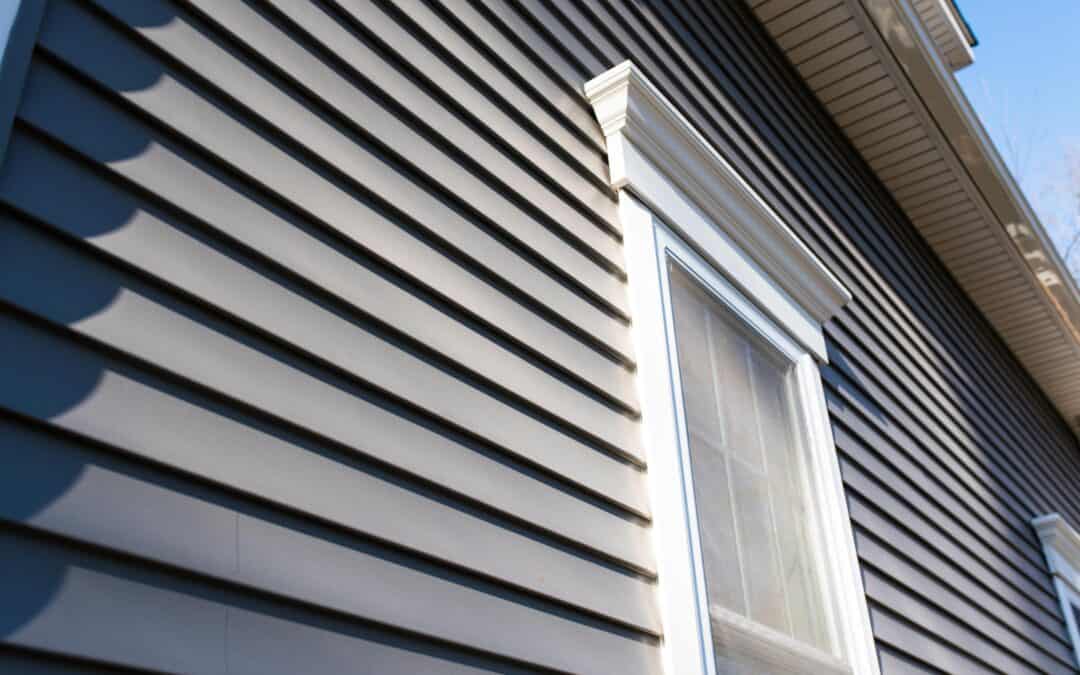
Siding buckling is a warning sign that something is preventing your siding from sitting flat against the house. In some cases, the issue is cosmetic. In others, it points to moisture, heat exposure, installation mistakes, or aging siding materials that can threaten the performance of the entire exterior.
For homeowners, the challenge is determining whether the problem needs a simple repair or a larger siding replacement project.
What Does Siding Buckling Look Like?
Common Signs
Most homeowners notice siding buckling when sunlight hits the wall at an angle and reveals waves or bulges. Vinyl siding may appear rippled, while individual boards in other siding styles can bow outward.
You may also see gaps near trim, corners, windows, or doors. In more severe cases, lap siding sections separate at overlap points and expose parts of the wall behind them.
Buckling vs. Warping and Cracking
Buckling happens when siding cannot move as intended. Warping is a permanent change in shape caused by heat or moisture. Cracking means the material has physically split.
All three can affect performance, but cracking and widespread warping typically indicate more advanced deterioration.
Why Vinyl Siding Buckles
Expansion and Temperature Changes
The most common cause of siding buckling is restricted movement. Vinyl siding expands and contracts as temperature conditions change.
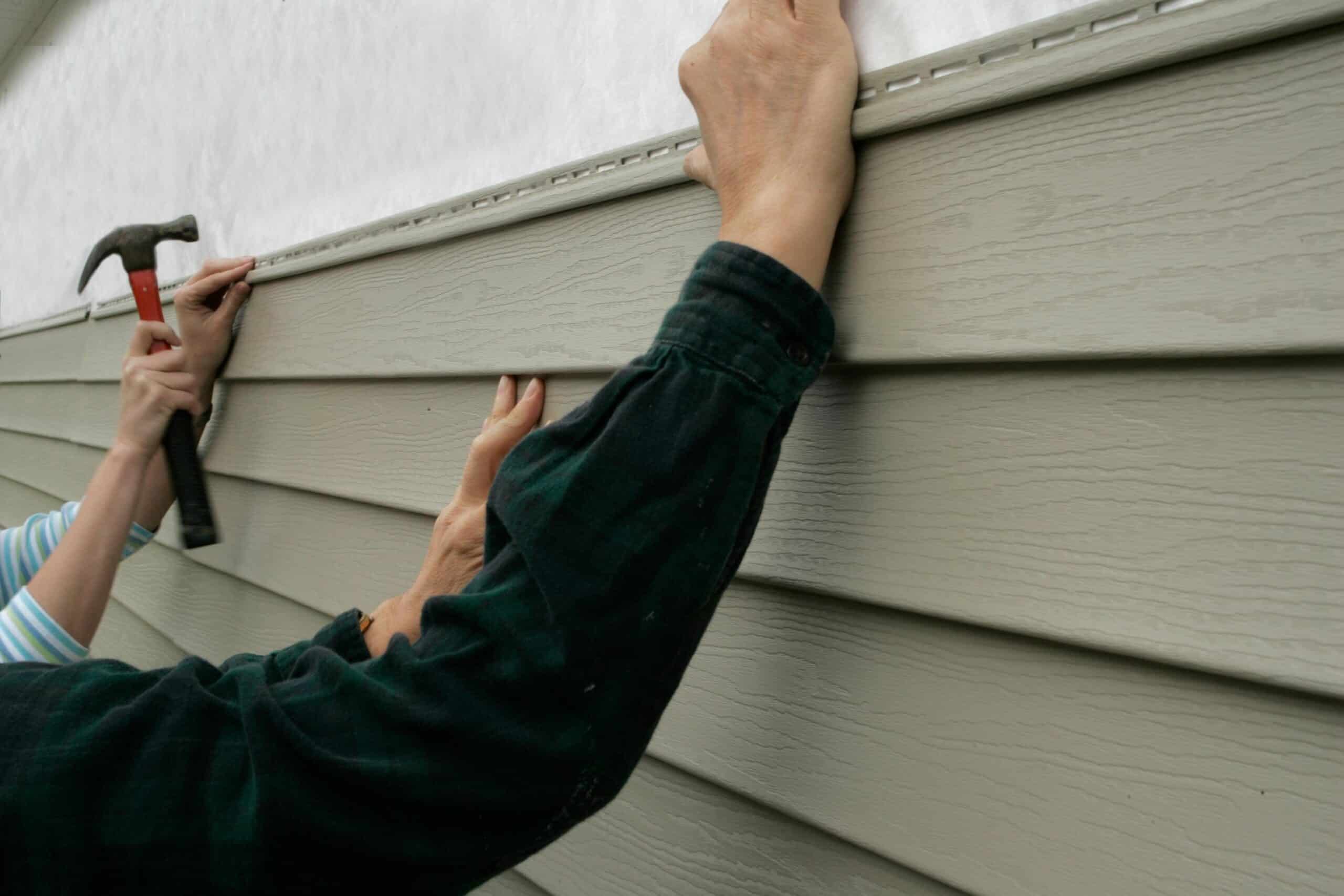
When panels are nailed too tightly or installed without proper clearance around trim and accessories, movement becomes restricted. The siding pushes against itself and visible waves begin to form.
Many of the same installation and performance issues that lead to buckling are also discussed in this guide to common vinyl siding issues, including expansion-related movement problems that homeowners frequently encounter.
Heat Exposure
Not every buckle is caused by installation. Reflected sunlight, grills placed close to the exterior, and prolonged heat exposure can deform vinyl siding.
Heat-related buckling is often concentrated in one area instead of appearing across an entire wall.
For additional guidance on how heat affects vinyl materials, the U.S. Department of Energy provides information about exterior building materials and thermal performance: building envelope resources.
Installation Issues That Lead to Buckling
Tight Fastening and Trim Problems
A contractor can install siding that looks perfect on day one but develops issues later if fasteners are too tight.
Vinyl siding should be able to move slightly. Problems also occur when panels are forced tightly into trim, corners, or channels. When movement is restricted, pressure builds and causes visible distortion.
Overlap and Alignment Errors
Proper overlap spacing is important for both lap siding and panel systems. If one section binds, pressure transfers across neighboring boards.
The visible buckle is not always where the original mistake occurred.
Moisture and Weather Concerns
Moisture Behind the Exterior
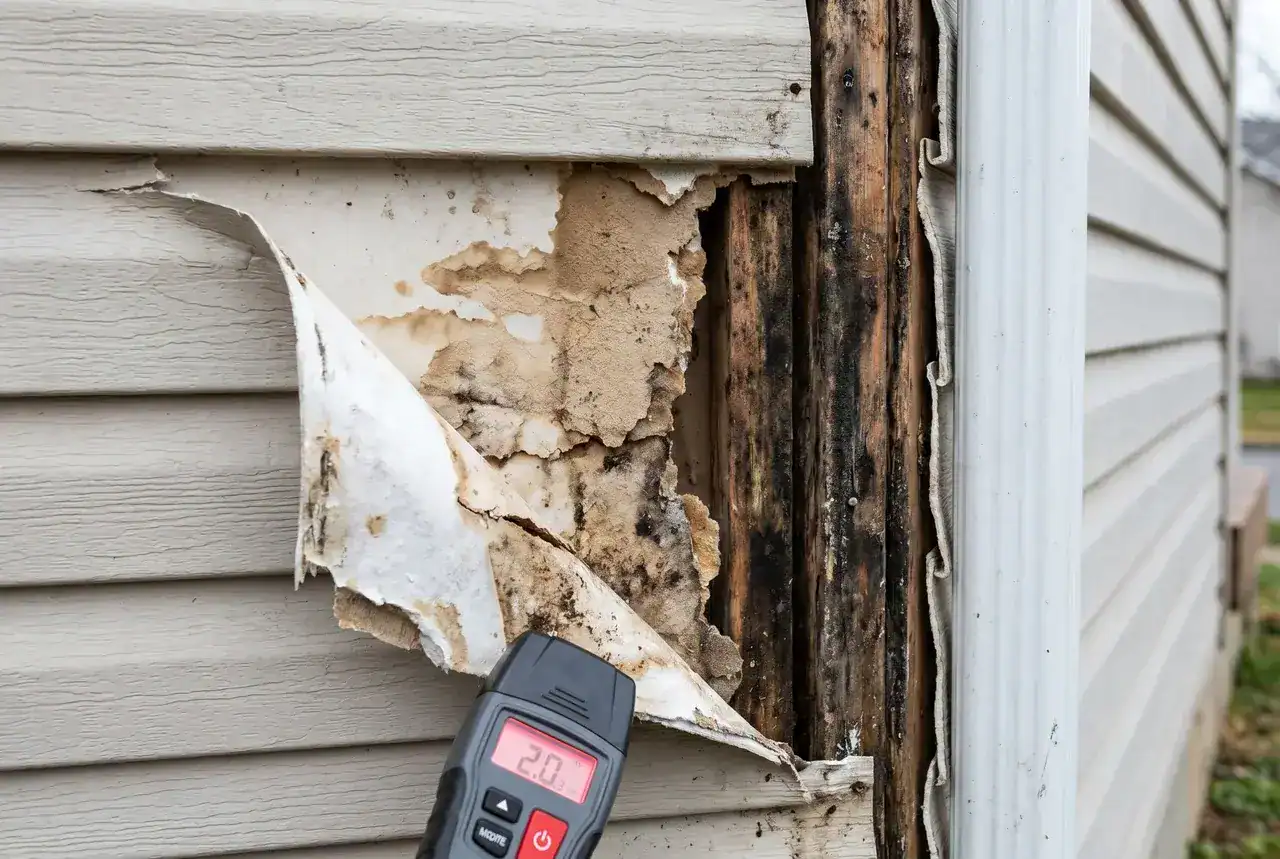
Moisture is one of the most serious causes of siding problems. Water damage behind siding can cause sheathing to swell, encourage mold growth, and change the shape of the wall.
When that happens, the siding may bulge outward even if the material itself is still intact.
Wind, Hail, and the Elements
Wind, hail, and repeated temperature swings place stress on exterior surfaces. These factors rarely act alone, but they can expose weaknesses that already exist.
Homeowners who notice new buckling after a major storm should have the area inspected for hidden damage.
The Federal Emergency Management Agency offers helpful information about protecting homes from weather-related exterior damage and moisture intrusion through its home mitigation resources.
How Different Siding Materials Respond
Vinyl Siding
Vinyl siding is most vulnerable to movement-related issues. Installation quality often plays a larger role than material age.
Wood Siding
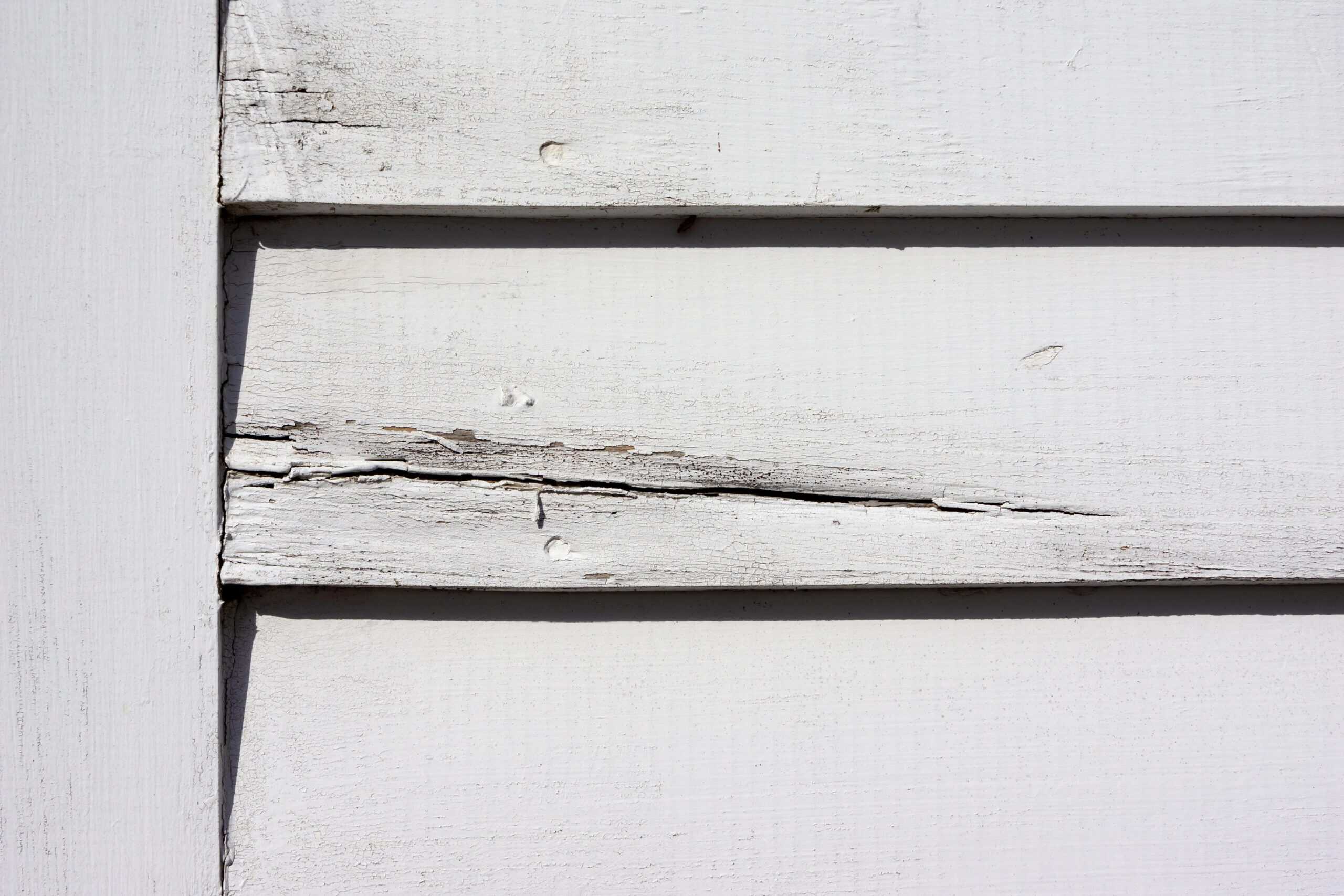
Wood siding reacts differently. Excess moisture can cause boards to swell, twist, or warp. Pests, termites, and mold are additional concerns that can affect durability.
Traditional clapboard designs require ongoing maintenance to preserve long-term protection.
Fiber Cement and Vertical Siding
Fiber cement products, including Hardie siding, are known for durability and high performance. Even so, poor installation can still create movement issues.
Vertical siding, board-and-batten designs, and other rustic siding styles depend on correct spacing and fastening. These systems are popular on farmhouse, cabin, and traditional homes because they combine beauty with dependable performance.
Should You Repair or Replace Buckled Siding?
When Repair Makes Sense
Repair is often the right answer when the damage is isolated and the cause is clearly identified.
A single affected panel, a localized heat issue, or a small installation defect can usually be corrected without replacing an entire wall.
When Replacement Becomes Necessary
A siding replacement project deserves consideration when buckling appears across multiple areas of the house, keeps returning after repair, or is connected to deeper moisture concerns.
Homeowners evaluating a full siding replacement project should consider the condition of the siding, trim, accessories, and underlying construction before deciding on the best long-term solution.
A qualified contractor should evaluate the condition of the siding, trim, underlying construction, and surrounding boards before recommending next steps.
Questions Worth Asking
Is moisture present? Has cracking spread? Are the siding materials approaching the end of their lifespan?
The answer to those questions often determines whether repair remains practical.
Signs It Is Time for New Siding
Widespread Failure
Buckling across several walls usually points to larger exterior issues. Repeated repairs may increase cost without solving the root cause.
When siding has lost quality, performance, and durability, replacement often becomes the better long-term investment.
Hidden Risks
Moisture intrusion, mold, pests, and extensive cracking can threaten both protection and curb appeal.
In these situations, covering the symptom without addressing the source can lead to more extensive repair needs later.
Planning the Right Replacement
Homeowners considering upgrading exterior siding should correct underlying issues before new materials are installed, helping ensure the new system delivers lasting defense against moisture and weather.
For many homes, replacement provides a stronger defense against the elements and restores confidence in the exterior.
Long-Term Protection and Maintenance
Modern Siding Styles
Today’s market offers different types of siding styles, including classic lap siding, vertical siding, board-and-batten systems, shingle accents, and painted fiber cement options.
Trim details, gables, and exterior accessories help create a cohesive style that fits the house.
Maintenance Matters
Even durable products benefit from routine inspections. Consistent preventive siding maintenance helps protect against moisture, fading, pests, and future performance issues while extending the life of exterior materials.
Final Thoughts
Siding buckling is often the first visible sign that something is wrong beneath the surface. Whether the cause is heat, moisture, installation errors, or aging materials, early action can prevent larger exterior problems.
If buckling is isolated, repair may be enough. If the issue is widespread or recurring, replacement may provide better protection, stronger performance, and a noticeable improvement in curb appeal for years to come.