
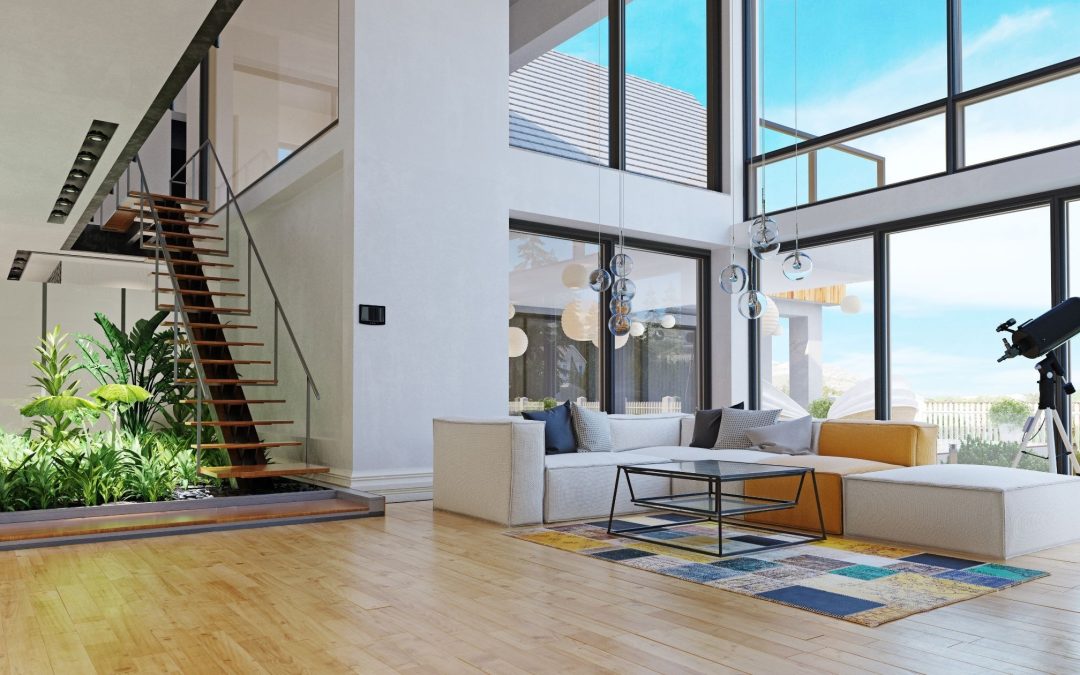
Window replacement transforms your home’s comfort, appearance, and energy performance. Old, drafty windows waste energy, drive up utility costs, and compromise your indoor comfort throughout the year. Modern replacement windows address these problems while enhancing your home’s curb appeal and market value.
Understanding the window replacement process helps you make informed decisions about materials, styles, and features that suit your specific needs. From recognizing when your current windows need replacing to selecting the best windows for your climate and budget, this comprehensive guide covers every aspect of the project. You’ll discover how different window types perform, which materials offer the longest lifespan, and what features deliver the greatest energy savings.
Today’s replacement windows provide remarkable improvements over older models. Advanced glass technology, superior frame materials, and precision manufacturing create products that keep your home comfortable while reducing energy bills. Energy Star certified windows meet strict performance standards set by the Environmental Protection Agency, ensuring you get measurable benefits from your investment.
Whether you’re planning a whole-house window project or replacing a few problem windows, the information in this guide helps you navigate the selection and installation process with confidence. We’ll explore everything from window lifespan and performance ratings to style options and installation methods. You’ll learn which features matter most for your situation and how to choose replacement windows that serve your household for decades to come.
Understanding Window Lifespan and Replacement Timing
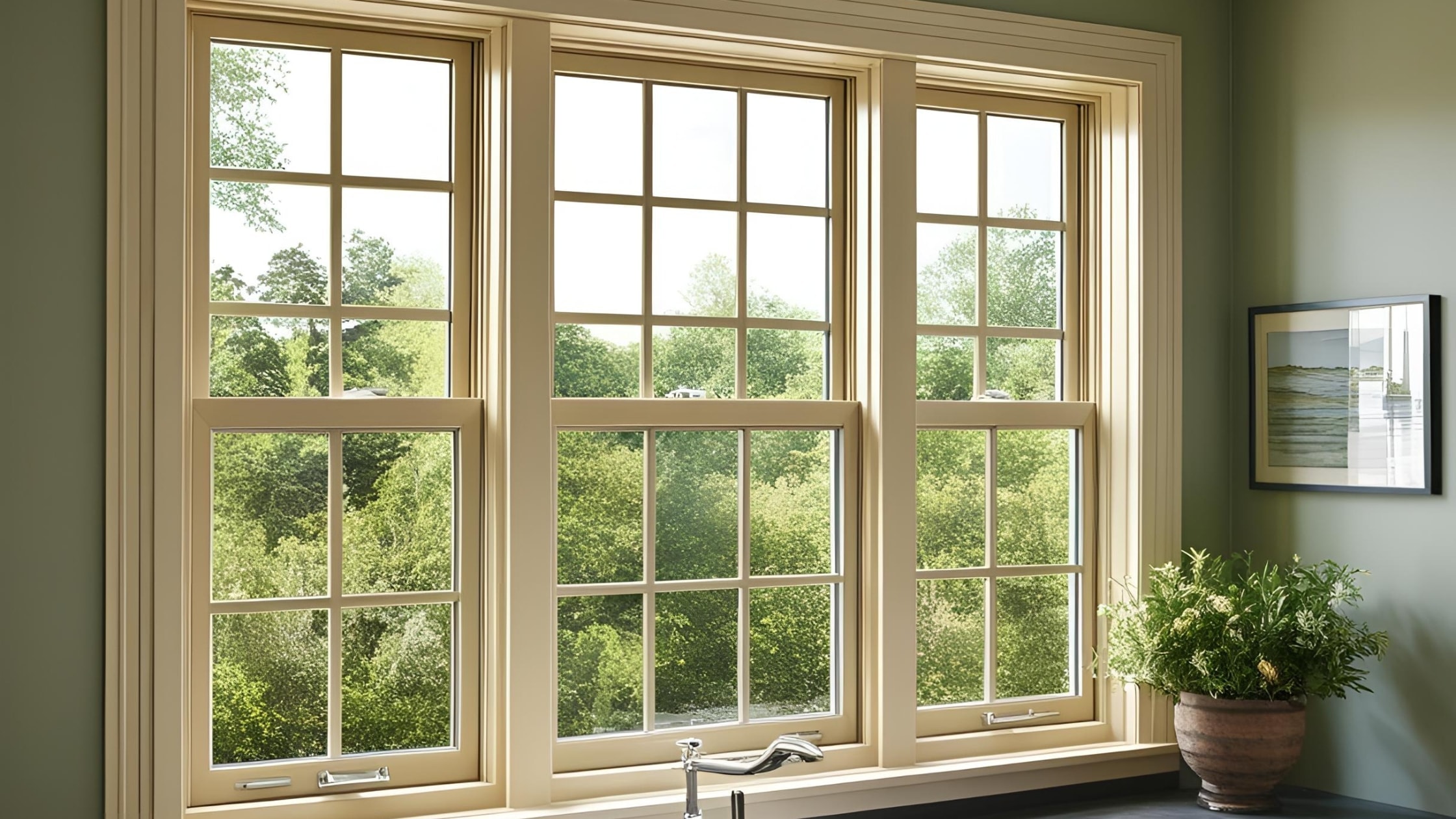
Windows don’t last forever. Most windows function effectively for 15 to 30 years depending on material quality, installation precision, and climate exposure. Recognizing the signs that your windows need replacing helps you plan your project before minor problems escalate into costly damage or excessive energy waste.
Visual indicators often appear first. Condensation between glass panes signals seal failure that compromises insulation value. Drafts around window frames mean air leaks that force your heating and cooling systems to work harder. Difficulty opening, closing, or locking windows suggests frame deterioration or hardware failure that affects both function and security.
Energy bills provide another clue about window condition. Rising heating and cooling costs despite consistent usage patterns often trace back to failing windows that allow conditioned air to escape. Single pane windows in particular lack the insulation needed for modern energy efficiency standards.
Quick tip: Check your windows on a windy day by holding a lit candle near the frame edges. Flickering flames reveal air leaks that waste energy and reduce comfort.
Frame damage signals urgent replacement needs. Wood windows showing rot, water stains, or soft spots require immediate attention to prevent structural problems. Vinyl frames that crack, warp, or fade indicate material breakdown that affects performance. Even minor frame issues tend to worsen rapidly once they begin.
Operating problems make daily use frustrating and compromise home security. Stuck or binding windows create safety concerns during emergencies when quick egress becomes necessary. Broken locks or damaged hardware leave your home vulnerable to intrusion.
Discover detailed replacement indicators in How Long Do Windows Last? Signs It’s Time to Replace Them. This article explains how to assess window condition, understand material-specific lifespans, and time your replacement project for optimal results. You’ll learn which warning signs demand immediate attention and which issues you can monitor before taking action.
Comparing Double Hung Windows and Single Hung Options
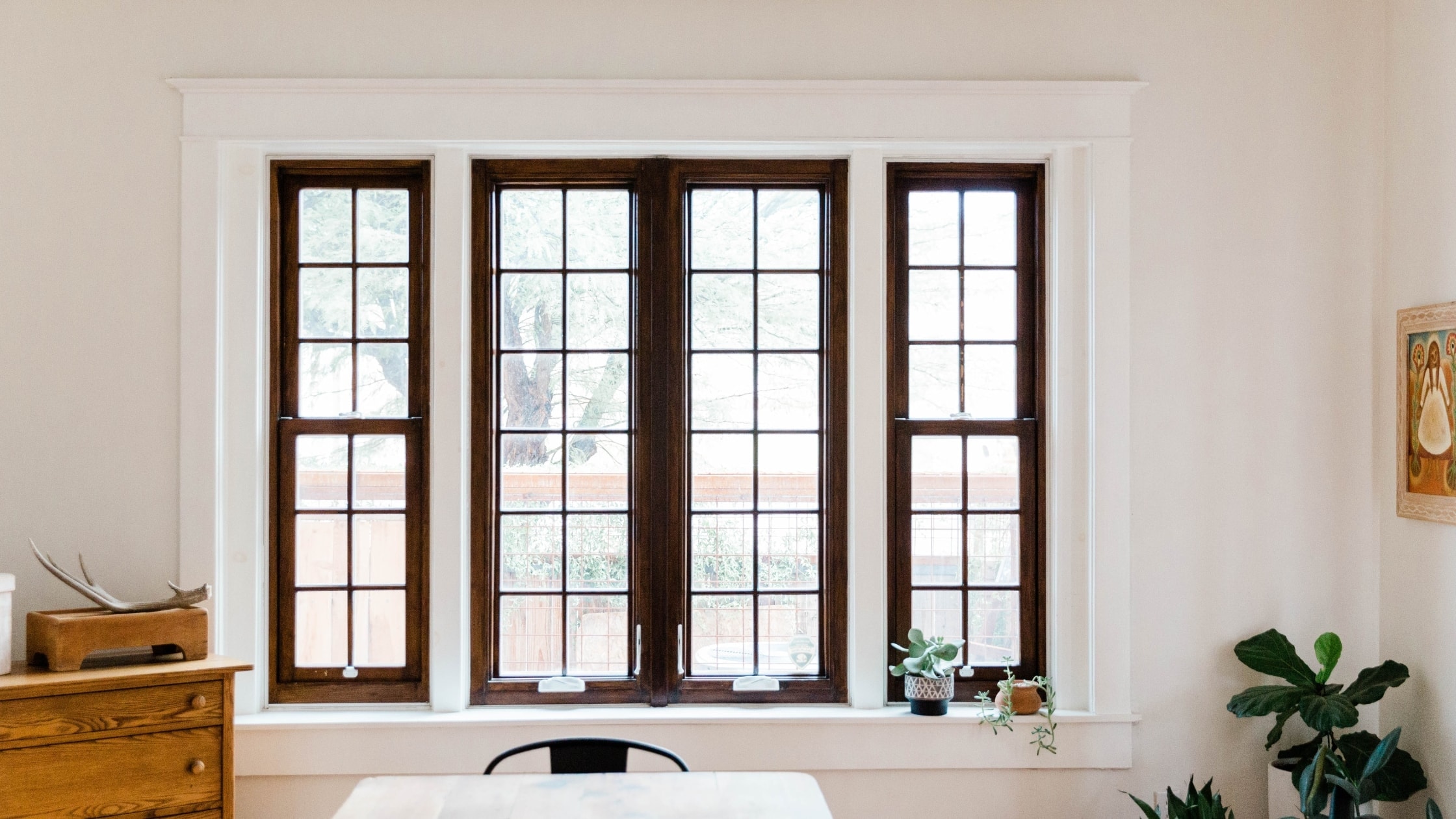
Double hung windows rank among the most popular replacement windows for American homes. Both window sashes move independently in double hung designs, allowing you to open the window from the top, bottom, or both positions simultaneously. This versatility provides superior ventilation control and makes cleaning exterior glass surfaces easier from inside your home.
Single hung windows operate differently. Only the bottom sash moves while the top sash remains stationary. This simpler mechanism reduces manufacturing costs but limits ventilation options and cleaning convenience. Single hung windows work well for specific applications where budget considerations outweigh the functional benefits of double hung models.
The dual-operation feature of double hung windows creates cross-ventilation opportunities that single hung designs cannot match. Opening both sashes allows warm air to escape through the top while drawing cooler air in from the bottom. This natural air circulation reduces reliance on air conditioning during mild weather.
Maintenance requirements differ between these window styles. Double hung windows typically include tilt features that bring both sashes into your home for easy cleaning. You can wash exterior glass without ladders or dangerous reaching. Single hung windows require exterior access to clean the fixed upper sash.
Cost differences between single and double hung windows reflect their construction complexity. Double hung models cost more due to additional hardware and operating mechanisms. However, the enhanced functionality and convenience often justify the price difference for homeowners planning long-term residence.
Explore the complete comparison in Single vs. Double-Hung Windows: Which Is Best for Your Home?. This resource examines operation methods, maintenance needs, energy performance, and cost factors that influence your choice. You’ll understand which style suits different rooms and how each option affects your daily living experience.
Understanding Replacement vs. New Construction Windows
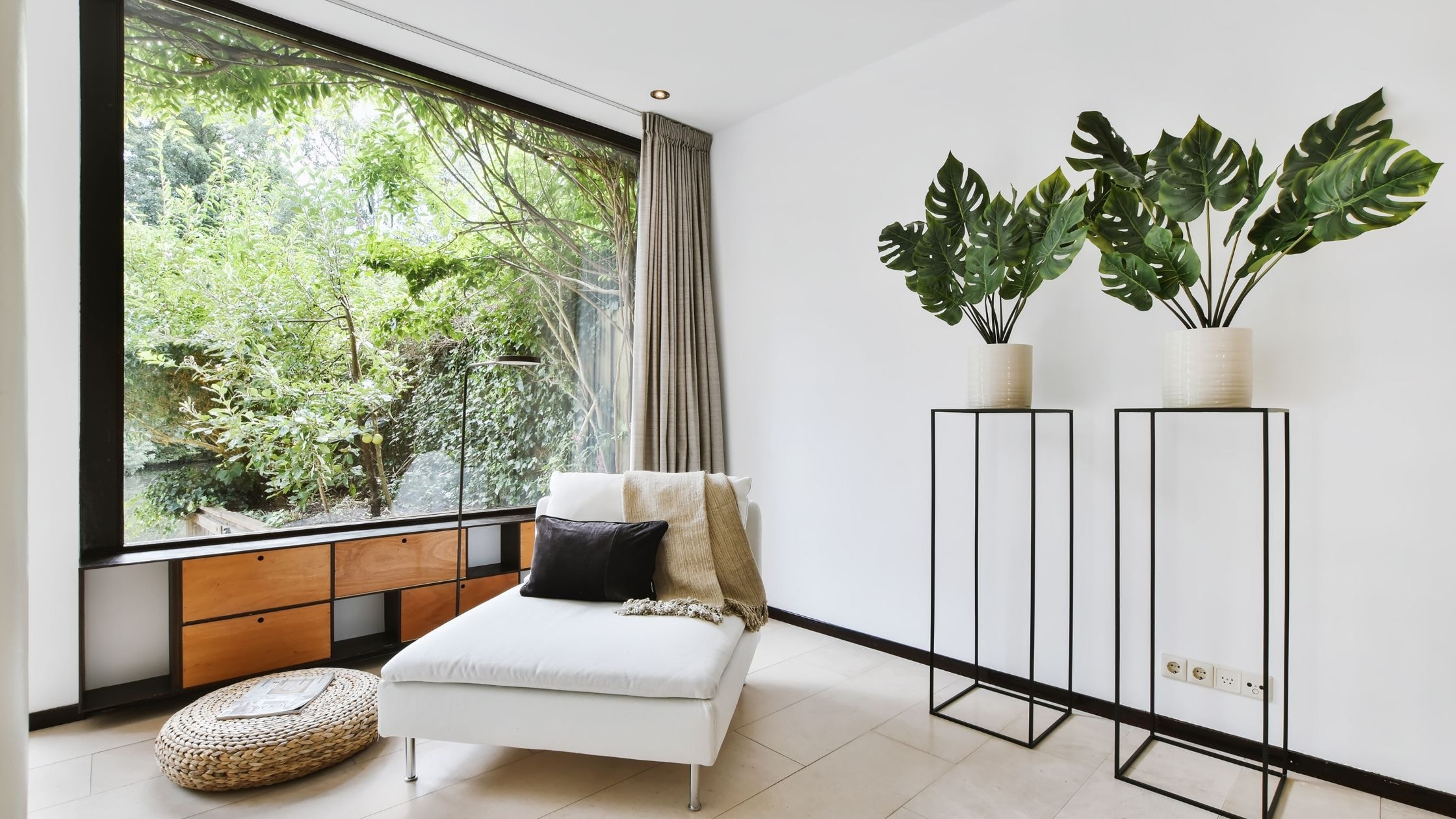
Replacement windows and new construction windows serve different purposes and install using distinct methods. Understanding these differences ensures you select the appropriate product type for your specific project. Using the wrong window type leads to installation problems, reduced performance, and unnecessary expenses.
Replacement windows fit into your existing frame after removing old sashes and hardware. This approach preserves exterior and interior trim, minimizes construction mess, and completes faster than full window replacement. Replacement windows work perfectly when your frames remain structurally sound and properly aligned.
New construction windows include a complete frame assembly with exterior nailing fins. Installers use these windows during home construction or when performing extensive renovations that expose wall framing. New construction windows require removing the entire existing window unit, including frames, and rebuilding the rough opening.
Did you know? Using replacement windows in existing frames typically saves 30-40% on labor costs compared to new construction window installation that requires frame removal and wall repair.
The installation method impacts project timeline and disruption. Replacement window installation often completes in one day for a typical home with minimal mess or damage to surrounding walls. New construction window projects involve more extensive work that affects both interior and exterior surfaces.
Performance differences between these window types prove negligible when both install correctly. The key factor becomes matching the window type to your project scope. Replacement windows excel for straightforward window updates, while new construction windows suit major renovations or situations where existing frames show damage.
Learn which window type fits your project in Replacement vs. New Construction Windows: What’s the Difference?. This article breaks down installation methods, cost implications, and decision factors that determine the best approach. You’ll discover how to assess your current windows and choose the most cost-effective solution.
Impact of New Windows on Home Value and Curb Appeal
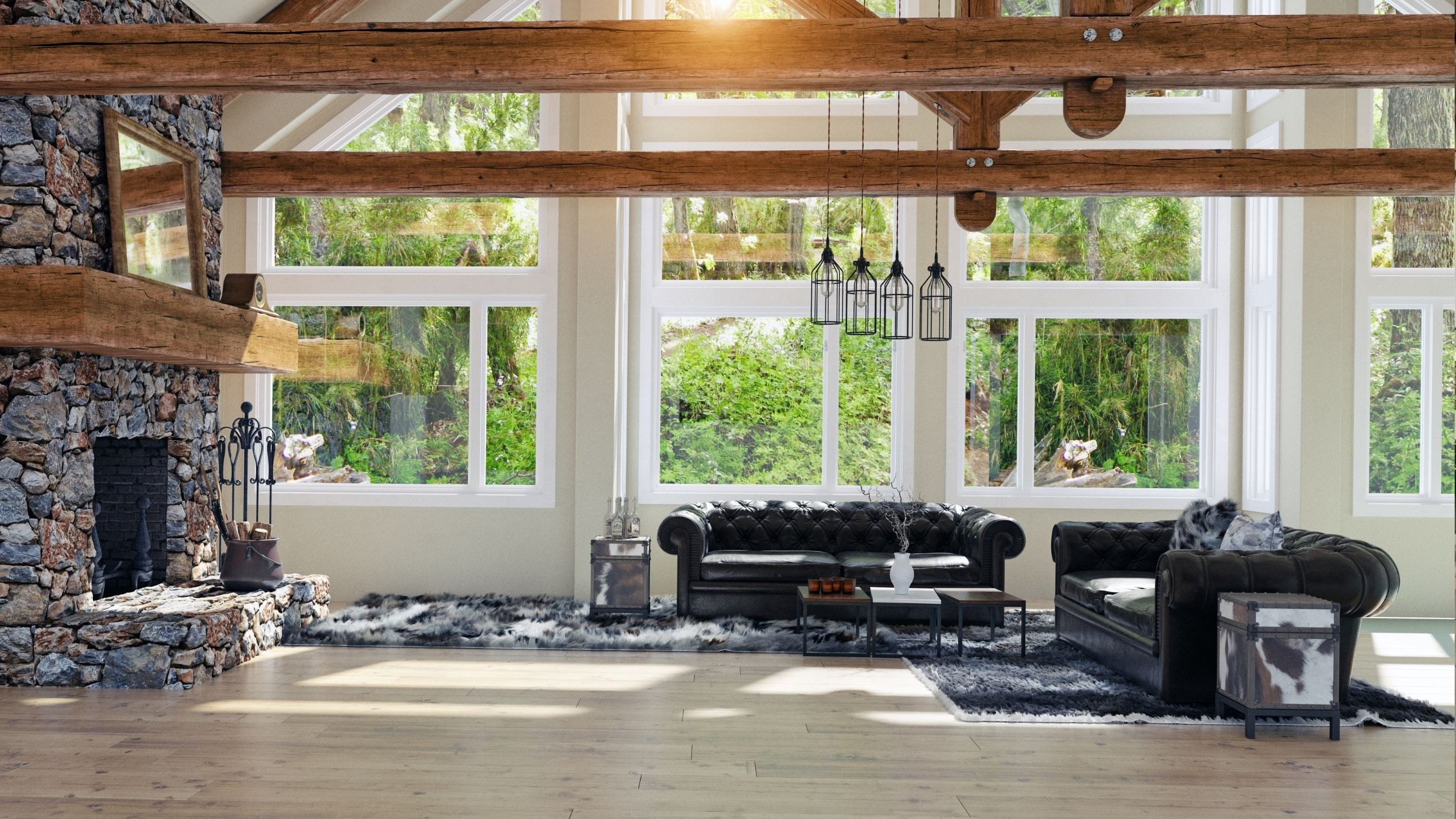
New windows increase home value through multiple pathways. They enhance energy efficiency, improve appearance, and signal to buyers that the home received proper maintenance. Real estate professionals consistently identify window replacement as a high-value improvement that attracts buyers and supports asking prices.
Energy efficient replacement windows reduce operating costs, which appeals to budget-conscious buyers. Modern vinyl replacement windows with double or triple pane glass dramatically outperform older single pane windows. Lower energy bills translate to reduced monthly expenses that buyers factor into affordability calculations.
Curb appeal improvements from new windows create powerful first impressions. Fresh, clean windows with consistent styling throughout your home’s exterior project quality and care. Custom made windows matching your home’s architectural style strengthen visual appeal while maintaining historical character where desired.
Quick tip: Choose exterior colors for your vinyl replacement windows that complement your home’s siding and trim to create a cohesive, professionally designed appearance that maximizes curb appeal.
Return on investment for window replacement varies by region and project scope. National average figures show homeowners recoup 70-80% of window replacement costs through increased home value. Energy efficient windows in colder climates often return higher percentages due to significant heating cost savings.
Beyond pure financial returns, new windows improve quality of life during your residence. Reduced outside noise, better temperature control, and easier operation enhance daily comfort. These lifestyle benefits add value that pure market analysis cannot measure.
Discover the complete value proposition in Do New Windows Increase Home Value?. This article examines resale statistics, buyer preferences, and regional variations that affect window replacement returns. You’ll learn how to maximize your investment through strategic timing and smart feature selection.
Evaluating Casement and Double Hung Window Performance
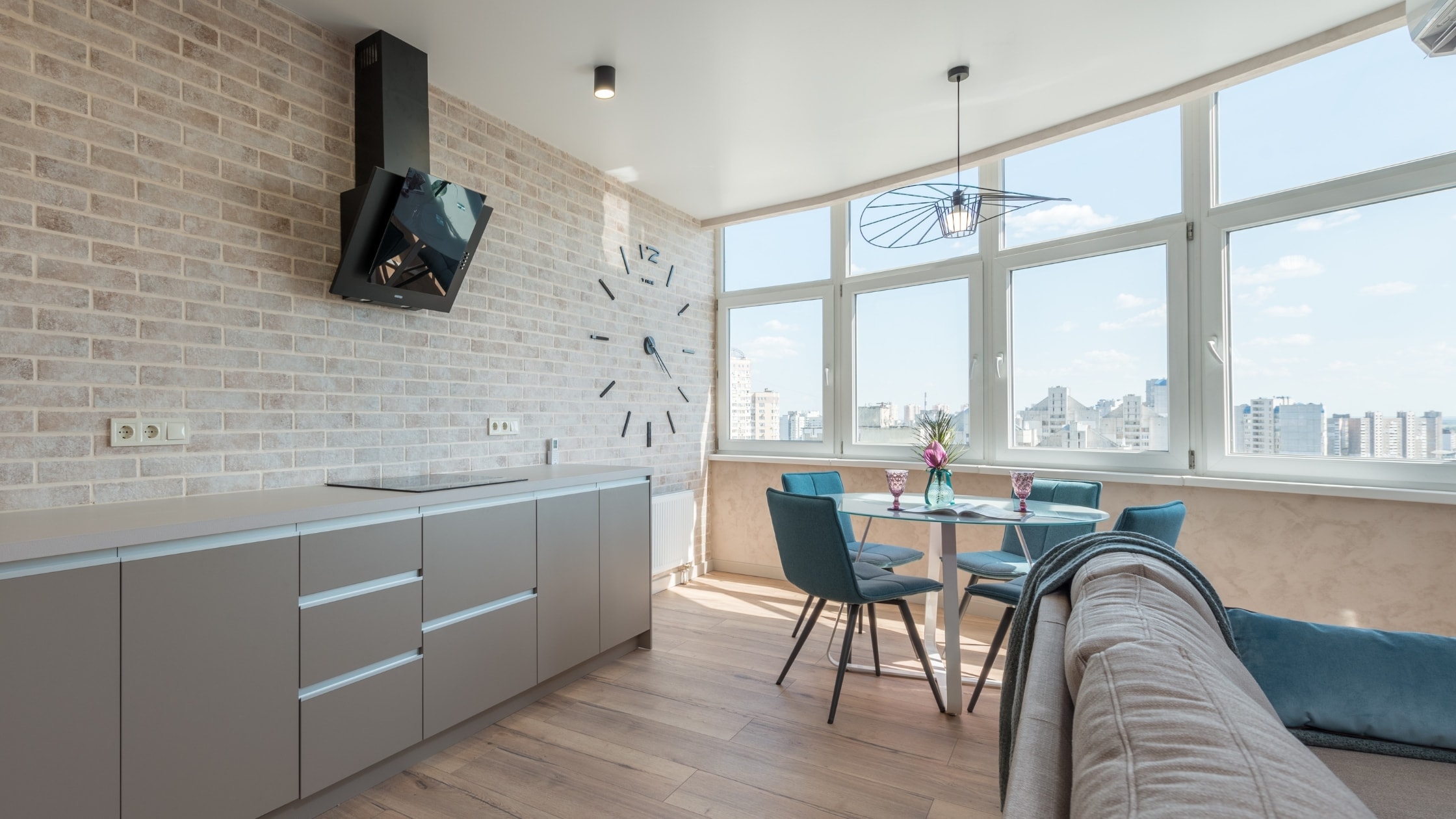
Casement windows and double hung windows represent distinct operating styles with different performance characteristics. Casement windows swing outward on hinges like doors, operated by a crank mechanism. This design offers unique advantages for specific applications and climate conditions.
Double hung window designs provide traditional styling and familiar operation that suits most architectural styles. The vertically sliding sashes accommodate window screens on the exterior while maintaining clean interior lines. Double hung windows work particularly well for second-story applications where outward-opening casements might pose operational challenges.
Energy efficiency differences between these styles affect comfort and operating costs. Casement windows compress weatherstripping when closed, creating superior air seals that minimize drafts. This tight seal makes casement windows excellent choices for windy locations or climates with extreme temperatures. Double hung windows provide good energy performance but typically cannot match the seal quality of properly installed casement models.
Ventilation capabilities vary significantly between these window types. Casement windows open fully to capture breezes and direct airflow into your home. Double hung windows limit opening area to half the window at maximum. For rooms requiring maximum ventilation like kitchens or bathrooms, casement windows often perform better.
Maintenance requirements influence long-term ownership experience. Double hung windows with tilt features allow easy cleaning from inside your home. Casement windows require reaching outside to clean exterior surfaces, which proves challenging on upper floors. Hardware complexity on casement windows creates more potential maintenance points than the simpler double hung mechanisms.
Compare these popular styles in Casement vs. Double-Hung Windows: Pros and Cons. This guide examines operation, energy performance, ventilation, maintenance, and aesthetic considerations. You’ll understand which window type best serves different rooms and climates.
Benefits and Limitations of Vinyl Windows
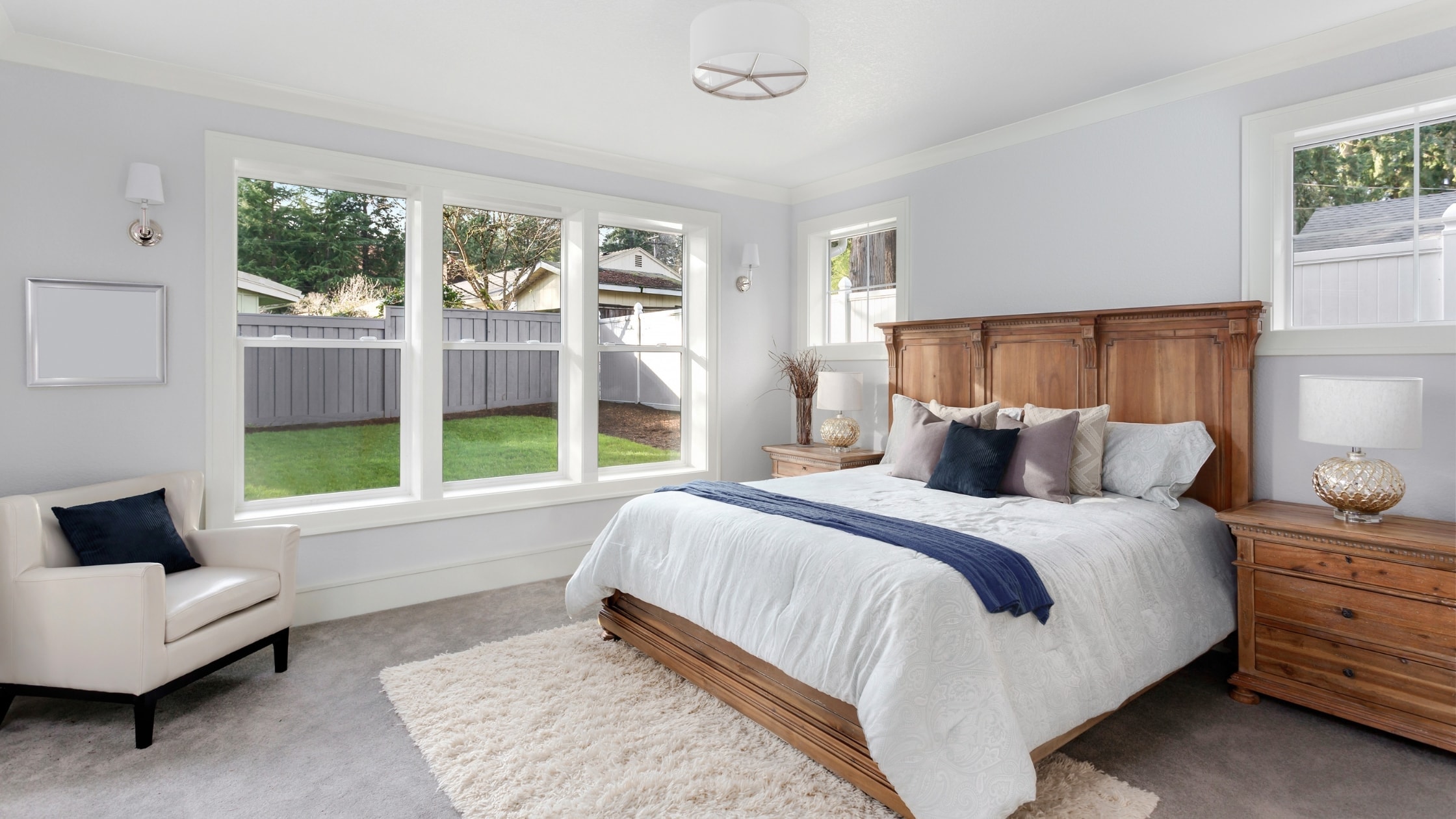
When replacing windows, vinyl windows are a smart choice due to their excellent balance of performance, durability, and value. Modern vinyl replacement windows deliver energy efficiency comparable to wood windows at a fraction of the cost and maintenance requirements. Understanding vinyl’s strengths and limitations helps you decide if these windows suit your needs.
Material advantages make vinyl a smart choice for most applications. Vinyl frames never need painting, resist moisture damage, and maintain their appearance for decades. Unlike wood windows that require regular maintenance to prevent rot and deterioration, vinyl windows remain worry free throughout their lifespan. This low maintenance characteristic appeals to busy homeowners who prefer spending time on activities other than home upkeep.
Energy performance in vinyl replacement windows rivals or exceeds other materials. Multi-chamber frame construction provides excellent insulation that reduces heat loss in winter and heat gain in summer. When combined with energy efficient windows featuring argon gas fills and low-E coatings, vinyl frames contribute to significant energy savings throughout the year.
Cost advantages position vinyl windows as affordable quality options. Vinyl replacement windows cost substantially less than wood windows or fiberglass alternatives while delivering comparable performance. This favorable price-to-performance ratio explains why vinyl captures the majority of the replacement window market.
Design flexibility in modern vinyl windows addresses past aesthetic concerns. Today’s vinyl replacement windows offer numerous exterior colors, grille patterns, and hardware finishes that complement any architectural style. Custom made options ensure proper fit and desired appearance for your specific home.
Limitations exist despite vinyl’s many benefits. Extreme temperature fluctuations can cause expansion and contraction that affects operation over time. Very hot climates may cause darker colored vinyl to fade more than lighter shades. These concerns typically prove minor compared to vinyl’s advantages.
Explore comprehensive vinyl window information in Vinyl Windows: Pros and Cons Every Homeowner Should Know. This article covers material properties, maintenance requirements, energy performance, cost factors, and aesthetic options. You’ll learn whether vinyl windows match your priorities and how to select quality products.
Understanding Single-Pane vs. Double-Pane Glass Technology
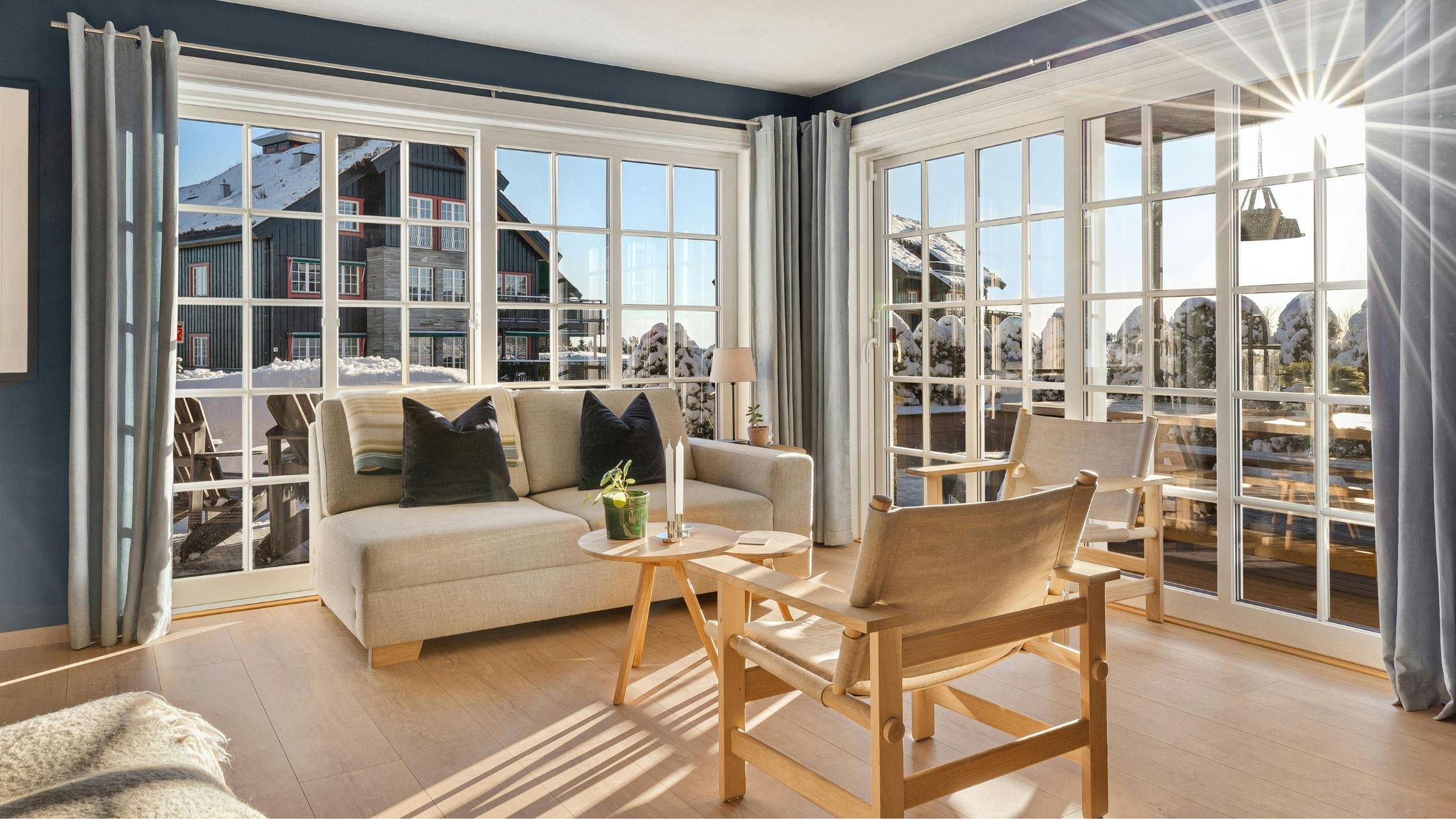
Glass technology dramatically affects window energy efficiency and comfort. Single pane windows consist of one layer of glass that provides minimal insulation against temperature transfer. These outdated windows allow heat to escape rapidly in winter and enter easily in summer, forcing heating and cooling systems to work harder while you pay higher energy bills.
Double pane glass construction sandwiches an insulating space between two glass layers. This design creates a thermal barrier that significantly reduces heat transfer. The space between panes typically contains argon gas, which insulates better than air due to its lower thermal conductivity. This simple upgrade delivers measurable energy savings that compound over years of ownership.
Performance measurements from the National Fenestration Rating Council help homeowners compare different window options. The U factor measures how well windows prevent heat from escaping. Lower U factor numbers indicate better insulating properties. Energy Star certified windows meet strict U factor requirements that vary by climate zone.
Energy costs decrease substantially when you replace single pane windows with modern double pane units. Homeowners in colder climates see the most dramatic savings as better insulation reduces heating demands. Those in warmer climates benefit from reduced air conditioning costs as improved windows block heat gain.
Comfort improvements extend beyond energy savings. Double pane glass maintains more consistent interior temperatures near windows, eliminating cold drafts in winter and hot spots in summer. This temperature stability makes spaces near windows more usable year-round. Condensation problems that plague single pane windows also disappear with properly installed double pane units.
Triple pane glass takes insulation further by adding a third glass layer and additional gas fill. These ultra-efficient windows suit very cold climates or situations where maximum performance justifies higher costs. Most homeowners achieve excellent results with quality double pane windows featuring low-E coatings and argon gas fills.
Learn why upgrading matters in Single-Pane vs. Double-Pane Windows: Why Upgrading Matters. This article quantifies energy savings, explains glass technology, and helps you understand performance ratings. You’ll discover how modern glass technology transforms window performance and home comfort.
Selecting the Best Replacement Windows for Your Home

Choosing the best replacement windows requires balancing multiple factors including climate, budget, architectural style, and long-term goals. No single window type suits every situation perfectly. Understanding how different features perform in various conditions helps you make selections that serve your household well for decades.
Climate considerations drive many technical decisions. Colder climates demand windows with excellent insulation properties, low U factors, and features that minimize heat loss. Triple pane glass and argon gas fills prove worthwhile in northern regions where heating costs dominate energy bills. Warmer climates prioritize heat rejection through low-E coatings that reflect solar radiation while allowing visible light transmission.
Window materials affect performance, maintenance, and cost. Vinyl replacement windows offer the best value for most homeowners with their combination of energy efficiency, durability, and low maintenance. Wood windows provide traditional aesthetics and excellent insulation but require regular maintenance to prevent deterioration. Each material presents trade-offs that align differently with various priorities.
Operating styles should match how you use each room. Double hung windows work well in most applications with their versatile operation and easy maintenance. Casement windows excel where maximum ventilation matters or where architectural style calls for their distinctive appearance. Awning windows above doors or other windows provide ventilation even during light rain.
Energy Star certification provides reliable guidance for selecting windows that deliver proven performance. The Energy Star label indicates windows meet or exceed EPA standards for your climate zone. Certified installers can help you understand which Energy Star certified windows suit your specific situation and budget.
Professional installation ensures your windows perform as designed. Even the best windows underperform when installed incorrectly. Proper installation includes correct shimming, insulation, weatherproofing, and alignment that allows smooth operation. Working with experienced installers protects your investment and ensures warranty coverage remains valid.
Quality varies significantly among replacement window manufacturers. Research companies carefully, read reviews from actual customers, and verify warranty terms before purchasing. The best replacement windows combine quality materials, skilled manufacturing, and strong warranty protection that demonstrates manufacturer confidence.
Ready to transform your home with energy efficient window installation?
NTY Windows specializes in professional window installation that delivers lasting quality and performance. Our team provides free consultation services to help you understand your options and make informed decisions about window replacement.
Visit our services page to explore your replacement window options and schedule your consultation. Discover how replacing windows can reduce your energy bills, enhance your home’s beauty, and improve your daily comfort. Our experienced installers stand ready to help you save energy and enjoy the benefits that quality replacement windows provide. Transform your house into the worry free, energy efficient home you deserve.