
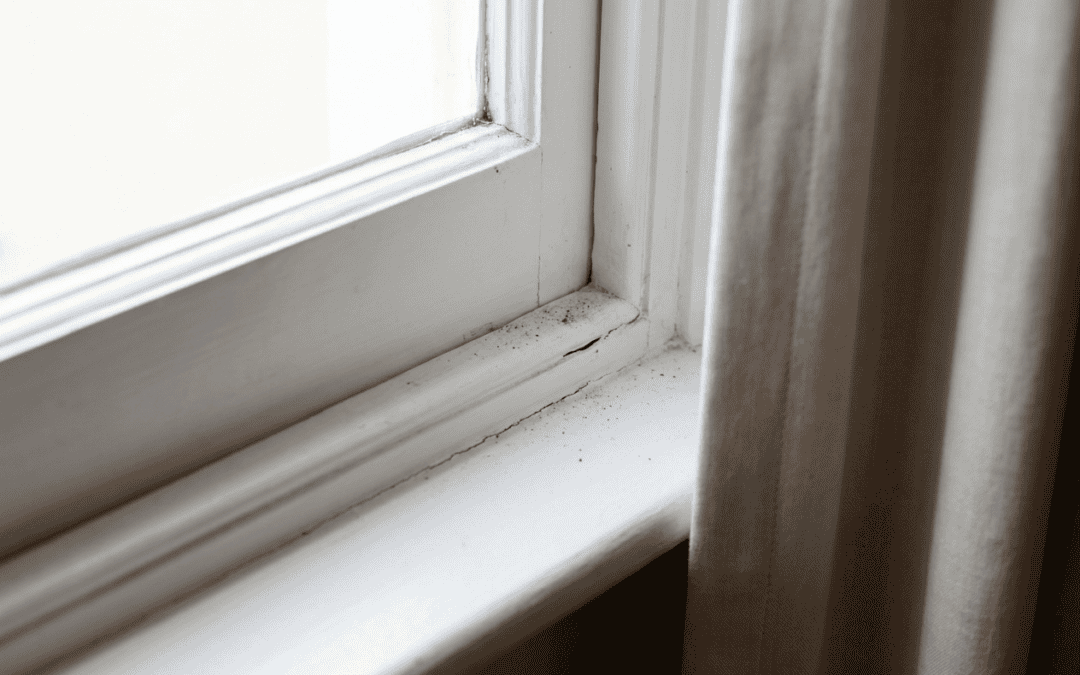
Most common window problems begin with a simple change inside the house. You may notice cold air near a window in winter, warm air entering during summer, condensation on the glass, or a window that no longer opens smoothly.
While these symptoms appear different, they often trace back to the same causes: aging seals, moisture intrusion, worn weather stripping, deteriorating window frames, or old windows that have reached the end of their life.
The goal is not to diagnose every component. It is to recognize the signs of a problem and determine whether repair, resealing, or replacement is the better solution.
Common Window Problems Homeowners Notice First
Most homeowners notice comfort issues before they notice physical damage.
A room may feel colder than the rest of the house. Outdoor noise may seem louder. Dust may collect near a window more quickly than before.
In many cases, these early warning signs appear long before major water damage or structural deterioration develops.
Drafty Windows and Air Leaks
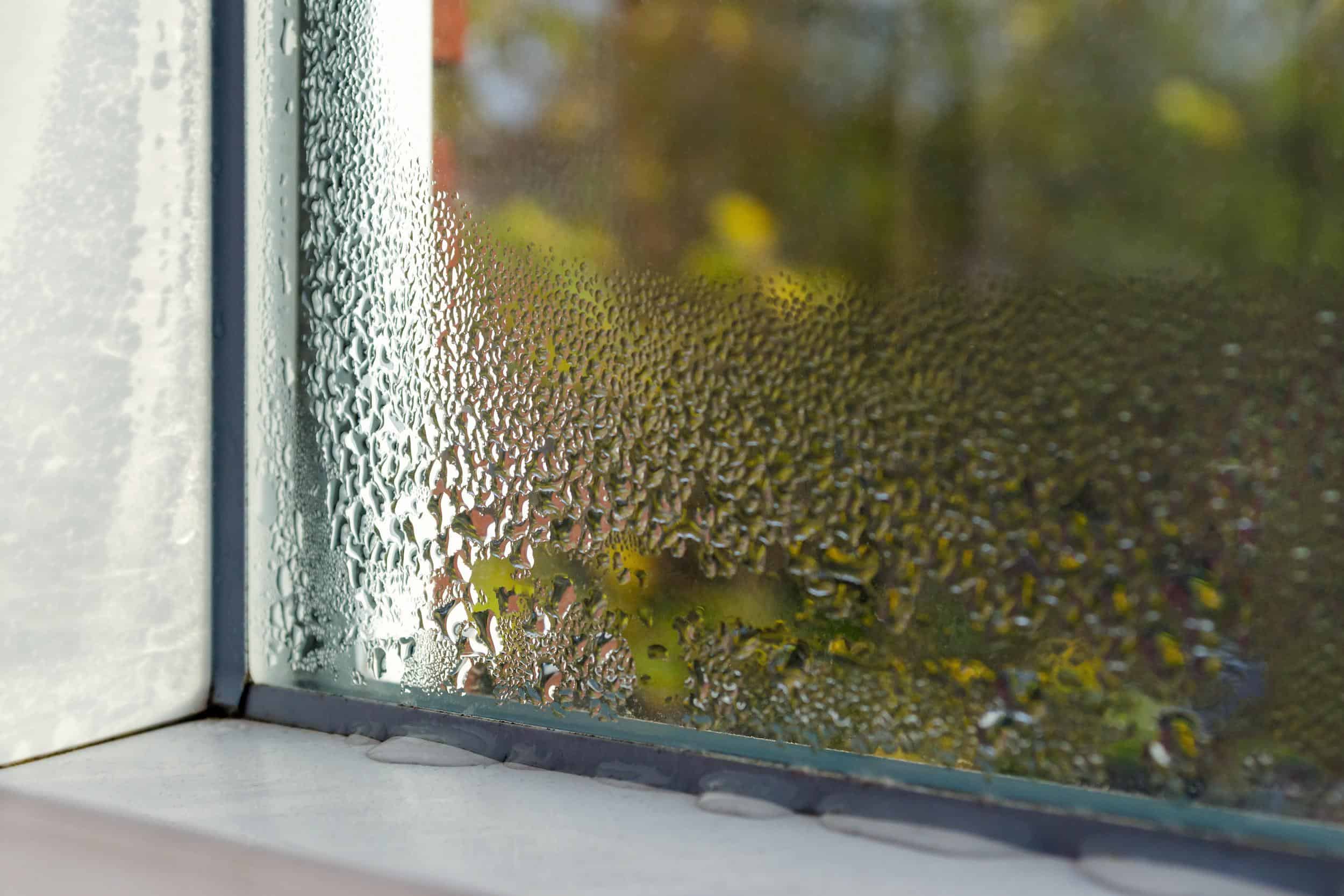
Drafty windows are among the most common complaints because the effect is immediate.
Cold air entering during winter and warm air entering during summer can reduce comfort and hurt energy efficiency.
Where Air Leaks Usually Start
Most drafts occur around the sash, frame, seal, or weather stripping rather than through the glass itself.
As materials age, small gaps develop. Weather exposure, repeated use, and normal wear can reduce the window’s ability to seal properly.
When Sealing May Solve the Problem
If the window operates normally and the frame remains in good condition, worn weather stripping or deteriorated caulk may be the primary issue.
Homeowners dealing with minor air leaks can often improve comfort by addressing common causes of drafts identified in window draft solutions.
Exterior gaps around the frame may also respond well to proper window caulking techniques, helping restore the seal and reduce energy loss.
When Drafts Suggest a Bigger Issue
A single draft does not automatically mean replacement.
However, recurring air leaks combined with foggy glass, water leaks, or operating problems often indicate a broader window problem affecting overall efficiency.
Condensation, Foggy Glass, and Seal Failure
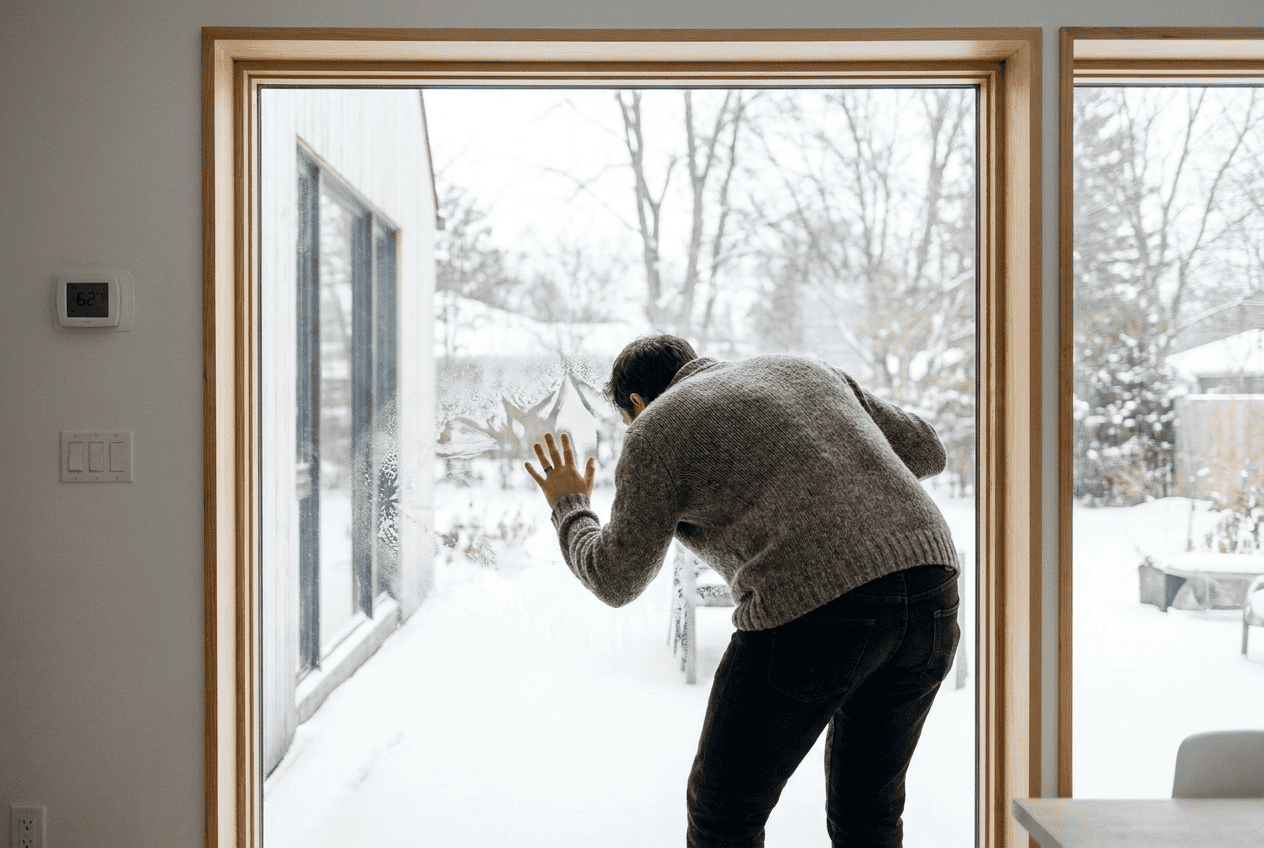
Moisture on glass is one of the most misunderstood window problems.
Condensation on Interior Glass
Condensation on the room-facing side of the glass is often related to indoor humidity levels.
It commonly appears during winter when warm indoor air meets a cold glass surface. Understanding the causes of indoor window condensation can help homeowners distinguish humidity issues from actual window failure.
Many homeowners can reduce moisture buildup by following practical tips for controlling window condensation.
Fog Between Panes
Fog trapped between panes is different. This usually indicates seal failure. Once broken seals develop, moisture enters the insulated glass unit and becomes trapped.
The result is a cloudy appearance that cannot be cleaned away. Persistent haze between panes is one of the clearest and most obvious signs of fogged insulated glass.
Why Broken Seals Matter
Broken seals can reduce energy efficiency and make the window less effective at controlling temperature and outdoor noise.
Both double-pane and triple pane windows can experience this issue. Learning how a failed window seal affects insulation can help determine whether repair or replacement is the better option.
Water Leaks and Moisture Damage
A leaky window should never be ignored.
Even a small leak can allow moisture to reach nearby walls, floors, and framing components, which can cause damage.
Common Causes of Leaks
Leaks often develop because exterior sealants deteriorate over time.
Weather exposure, aging materials, and small gaps around the frame can all allow water intrusion.
Signs of Water Damage
Watch for these warning signs:
• Mold growth
• Rot
• Stained walls
• Damaged floors
• Persistent moisture after storms
Left unaddressed, ongoing moisture problems can lead to mold growth and damage that extends well beyond the window opening. According to the U.S. Environmental Protection Agency (EPA), managing moisture is key to reducing the risk of mold and protecting indoor air quality.
When Moisture Becomes a Serious Problem
Once water damage spreads beyond the window itself, the issue can affect surrounding structural materials.
At that point, replacement may become a more practical solution than repeated repairs.
Windows That Stick or Refuse to Open
Operational issues affect both functionality and safety.
A window that cannot open properly may also fail as an emergency exit.
Common Causes
Several conditions can affect operation:
• Dirt buildup
• Warping
• Moisture exposure
• Hardware wear
• Misaligned window jambs
In some cases, homeowners discover the window has been partially painted shut after years of repainting.
A lubricant spray may improve movement temporarily, but recurring problems often point to a larger issue.
Rotting Window Frames and Structural Deterioration
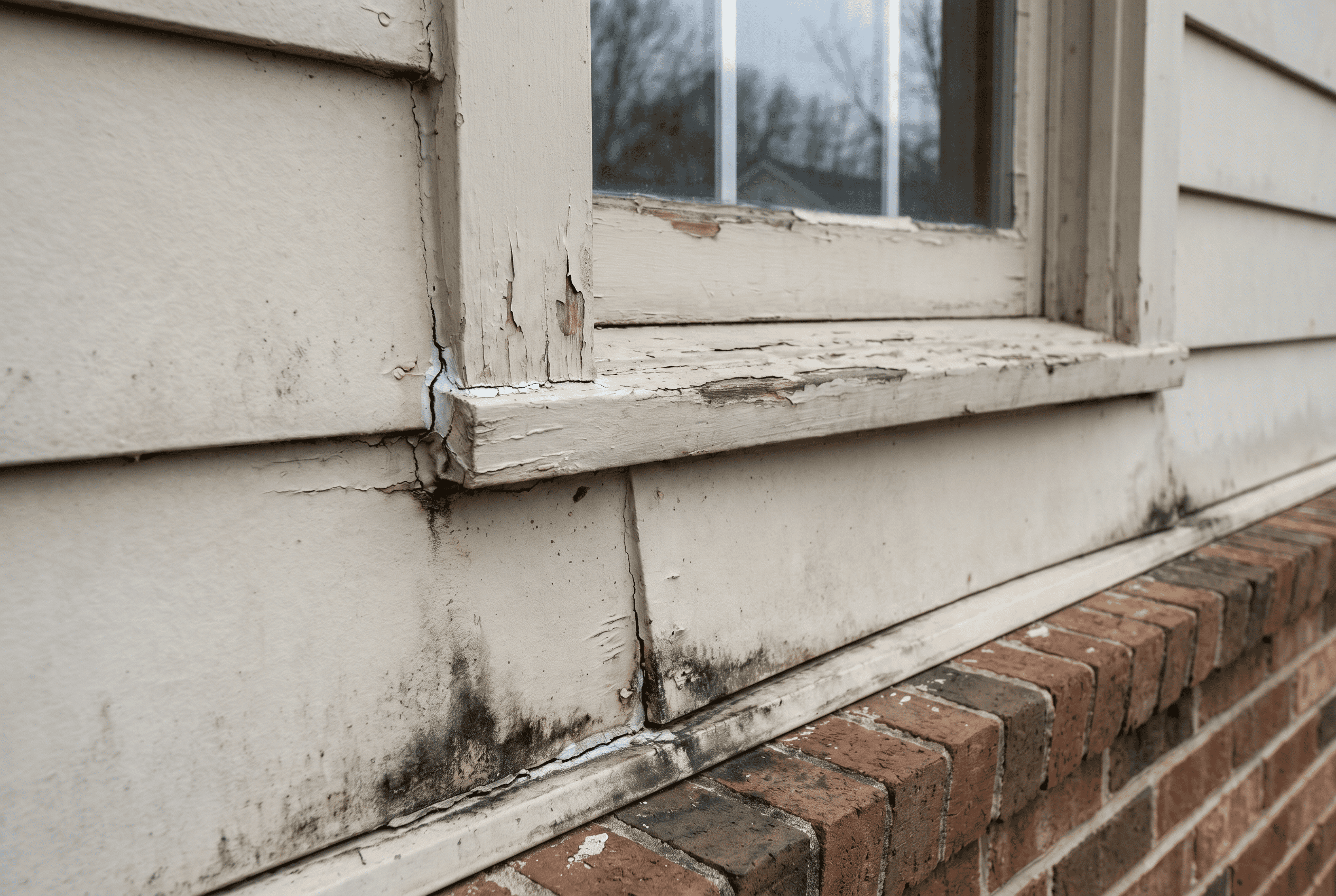
Few issues are more concerning than deteriorating window frames.
Early Warning Signs
Watch for:
• Peeling paint
• Soft wood
• Small cracks
• Recurring moisture
• Visible rot
Wood windows are especially vulnerable when moisture is allowed to remain for extended periods.
How Warping Affects Performance
Warping can affect seals, locks, operation, and overall efficiency.
As a frame or sash changes shape over time, the window may no longer close evenly against the weather stripping. This can weaken the seal, making it easier for drafts, moisture, and outdoor noise to enter the home.
Warping may also place additional stress on hardware, causing windows to stick, become difficult to lock, or refuse to open and close smoothly. In more severe cases, gaps created by a warped frame can allow air and water intrusion that accelerates further deterioration and reduces the window’s overall performance
When Replacement Becomes the Better Option
Severely deteriorated frames are often a sign that the entire window system has reached the end of its life.
A new window typically provides better performance, improved energy efficiency, and greater reliability. In many cases, replacement becomes more cost-effective than repeated repair attempts when structural deterioration continues to spread.
Broken or Cracked Glass
Not every glass issue requires immediate replacement, but it should never be ignored.
What to Watch For
Broken glass and cracked glass create obvious safety concerns.
Even small cracks can expand as temperatures change.
Glass damage can also affect insulation performance and security.
For safety reasons, homeowners should avoid attempting repairs themselves. Even simple tools such as a putty knife are not a substitute for professional evaluation.
The U.S. Consumer Product Safety Commission highlights the importance of maintaining safe glazing materials and addressing damaged glass promptly through its information on window safety.
Outside Noise and Comfort Issues
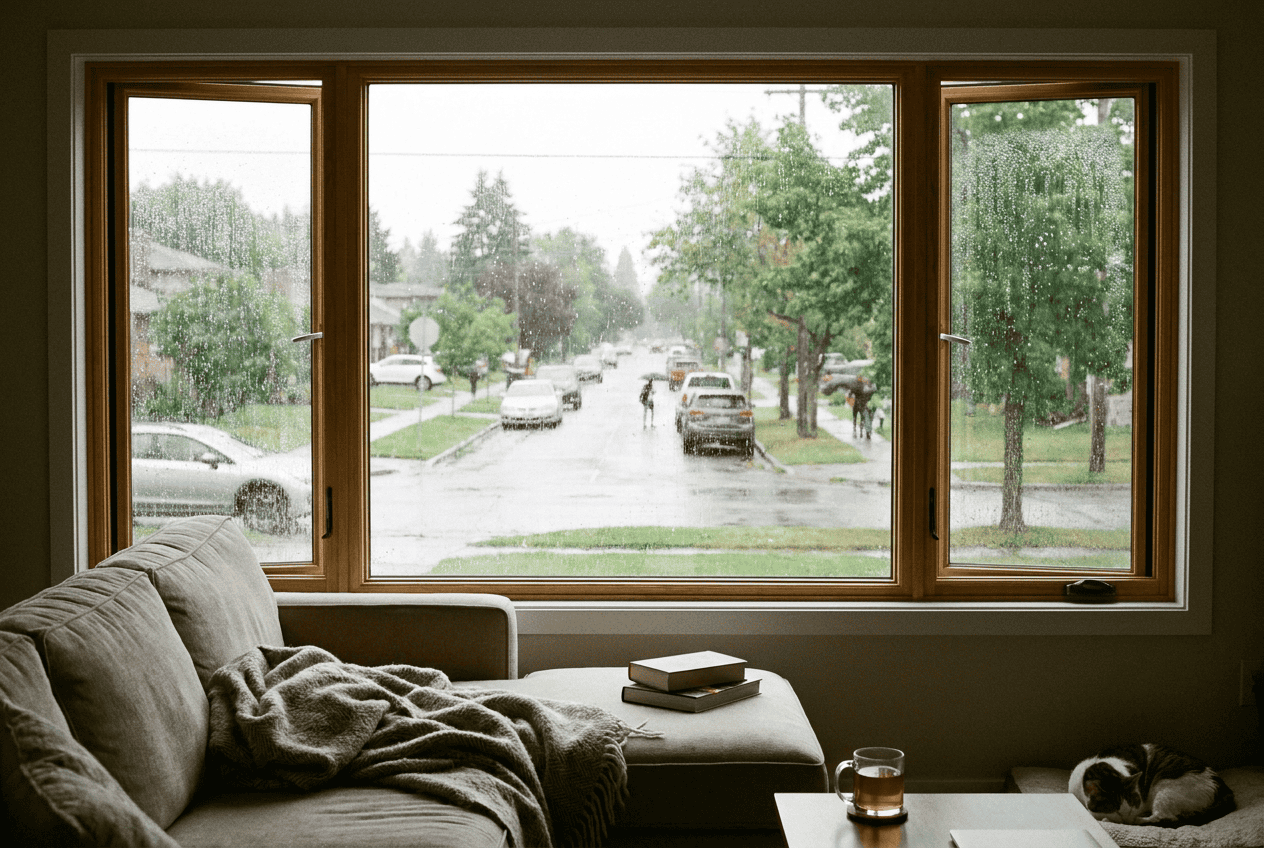
Many homeowners first notice window deterioration through sound.
Why Noise Increases
Older windows, broken seals, and single pane windows often allow more outdoor noise and noise pollution into the home.
The same gaps that allow air leaks can also transmit sound.
How Modern Windows Help
Energy efficient windows with insulated glass and improved sealing generally reduce noise while improving comfort. Homeowners researching sound reduction windows often discover that modern designs can help limit noise while improving overall efficiency.
Repair, Re-Seal, or Replace?
Most decisions come down to overall condition rather than a single symptom.
Repair May Make Sense When
• Hardware has failed
• Broken locks are the primary issue
• Minor leaks are present
• The frame remains structurally sound
A targeted repair can often restore function when the underlying window structure remains intact.
Re-Sealing May Be Enough When
• Weather stripping has worn out
• Exterior caulk has failed
• Small gaps are causing drafts
In these situations, restoring the seal may improve performance without requiring a full replacement.
Replacement Deserves Consideration When
Multiple symptoms appear together:
• Drafty windows
• Broken seals
• Water damage
• Rotting window frames
• Cracked glass
• Persistent operating problems
When several common problems affect the same window, continuing to repair it often becomes a temporary fix rather than a lasting solution. Window replacement is frequently the more practical long-term investment when performance continues to decline.
A Practical Decision Framework
The best approach is to look at the complete picture.
A single issue may justify a repair. Several issues occurring at the same time usually indicate a broader failure affecting performance, safety, and energy efficiency.
If you notice recurring leaks, condensation between panes, broken glass, rotting wood, or persistent drafts, a professional assessment can help determine whether repair, sealing, or replacement is the right next step.
To explore your options, review NTY Windows’ window replacement and installation services as a next step.
The right answer is not always replacement. But when an old window can no longer provide comfort, security, or efficiency, replacing it is often the most practical long-term solution.