
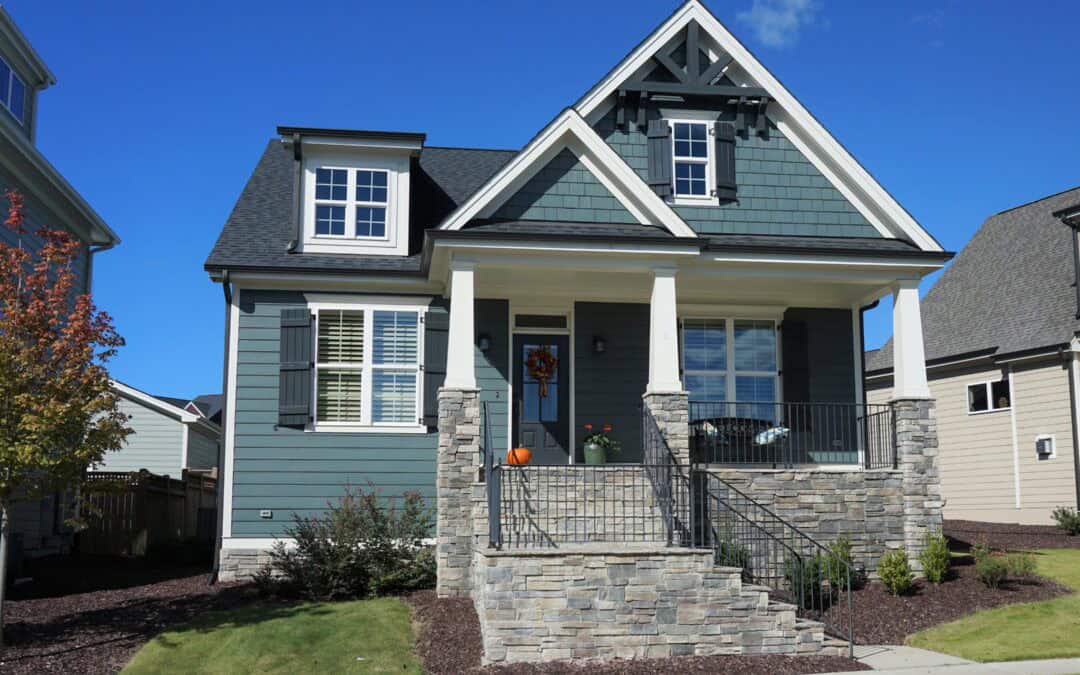
Homeowners researching fireproof siding are usually asking a practical question: which siding materials offer the best fire resistance and help protect your home during a fire event?
No siding can guarantee a fireproof house. However, some fire resistant siding options provide better protection against flames, embers, and high heat than others. For homes in wildfire prone areas or locations prone to wildfires, choosing the right house siding can play an important role in overall fire safety and reducing overall risk.
Fireproof Siding vs. Fire Resistant Siding
The phrase fireproof siding is common, but fire resistant siding is usually the more accurate term.
Given enough heat and exposure, virtually any building product can fail. The goal is to select fire resistant house siding that slows ignition, limits fire damage, and supports better overall fire protection.
Materials that resist ignition are often safer than products that can catch fire, melt, or contribute additional fuel during a fire.
Why Siding Material Matters
Fire does not always spread through direct flame contact.
Wind-driven embers, radiant heat, and nearby combustible materials can expose a home’s exterior to dangerous conditions. Some siding products withstand these conditions better than others.
The difference often comes down to whether a material is combustible or non-combustible.
Combustible vs. Non-Combustible Materials
Wood siding and some products made from flammable materials can burn easily under severe fire exposure.
By contrast, products such as fiber cement siding, metal siding, brick, and masonry-based materials are considered more robust materials because they are less likely to support combustion. Guidance from the National Fire Protection Association also emphasizes the importance of selecting ignition-resistant exterior materials as part of a broader home safety strategy.
Fire Resistant Siding Options
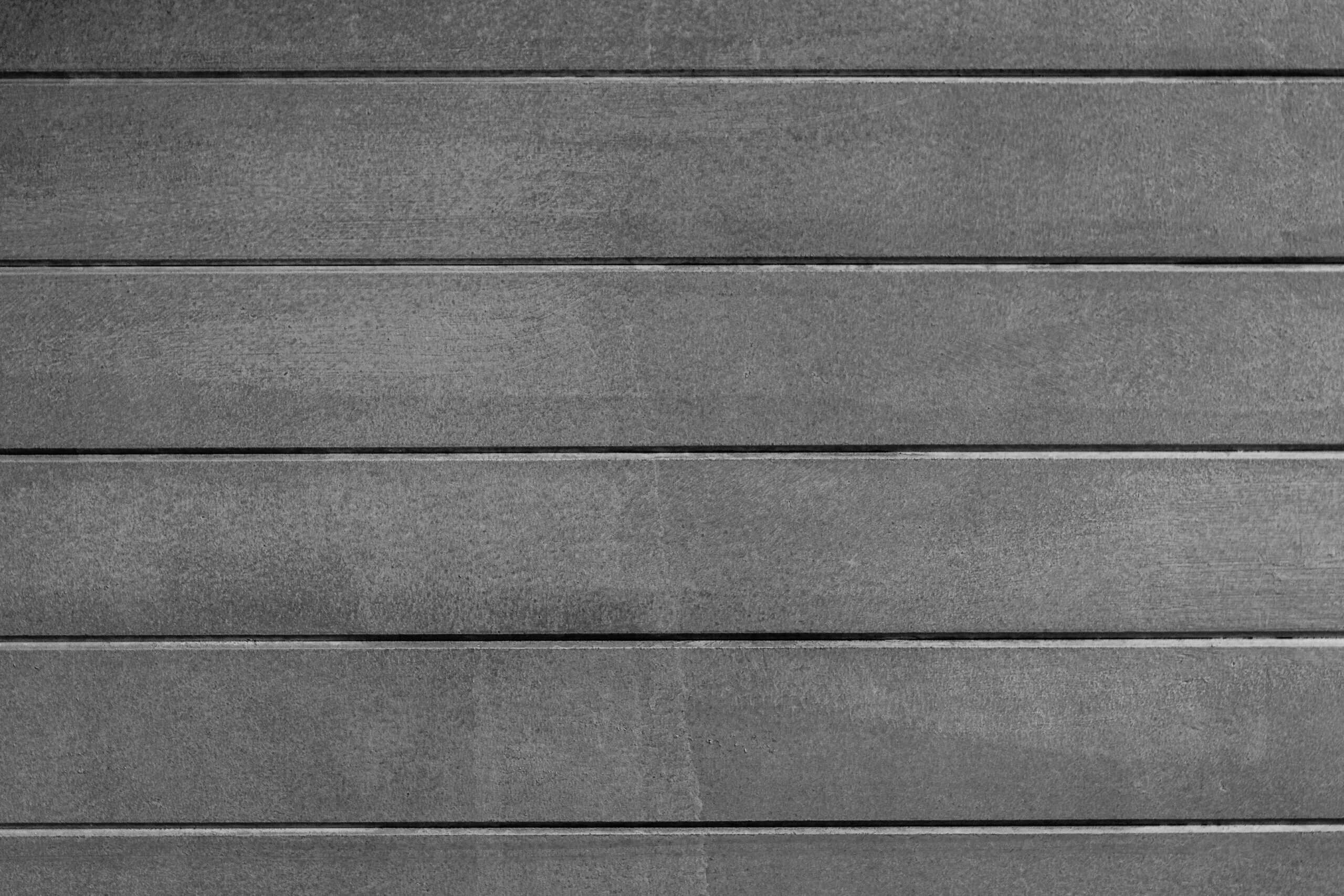
Several siding materials are commonly discussed when homeowners want better fire resistance.
Fiber Cement Siding
Fiber cement siding is made from cement, sand, and cellulose fibers. Because it does not readily ignite, it is often associated with superior fire protection and even discussions about maximum fire protection for residential applications.
Fiber cement is also a durable, low maintenance material that can resemble natural wood, helping preserve a home’s visual appeal and aesthetic appeal. Homeowners comparing long-term exterior upgrades often review common siding replacement signs before deciding whether fiber cement is the right investment.
Metal Siding
Metal siding, including aluminum and steel products, performs well in fire-prone environments because metal does not burn.
It is also durable and generally low maintenance, making it attractive for homeowners balancing protection with long-term upkeep.
Brick and Masonry
Brick provides excellent fire performance and durability. While often more expensive, it remains one of the strongest choices when fire safety is a priority.
Vinyl and Wood Siding
Vinyl siding can soften or melt when exposed to extreme heat.
Wood siding remains popular because of its appearance, but wood is naturally combustible. Some products are treated or specially treated with fire retardant products to improve performance, although treatment does not make wood non-combustible.
Understanding Fire Rated Siding
Many homeowners encounter terms such as fire rated siding, fire rated, or Class A fire products.
A Class A fire rating is generally considered the highest residential fire-performance category. However, ratings often apply to a complete wall assembly rather than siding alone.
When evaluating fire rated siding, ask how the entire wall system was tested, what class of performance was achieved, and whether the assembly meets local building codes and building requirements. The U.S. Federal Emergency Management Agency provides additional wildfire mitigation resources through FEMA wildfire guidance.
Fire Resistance and Everyday Performance
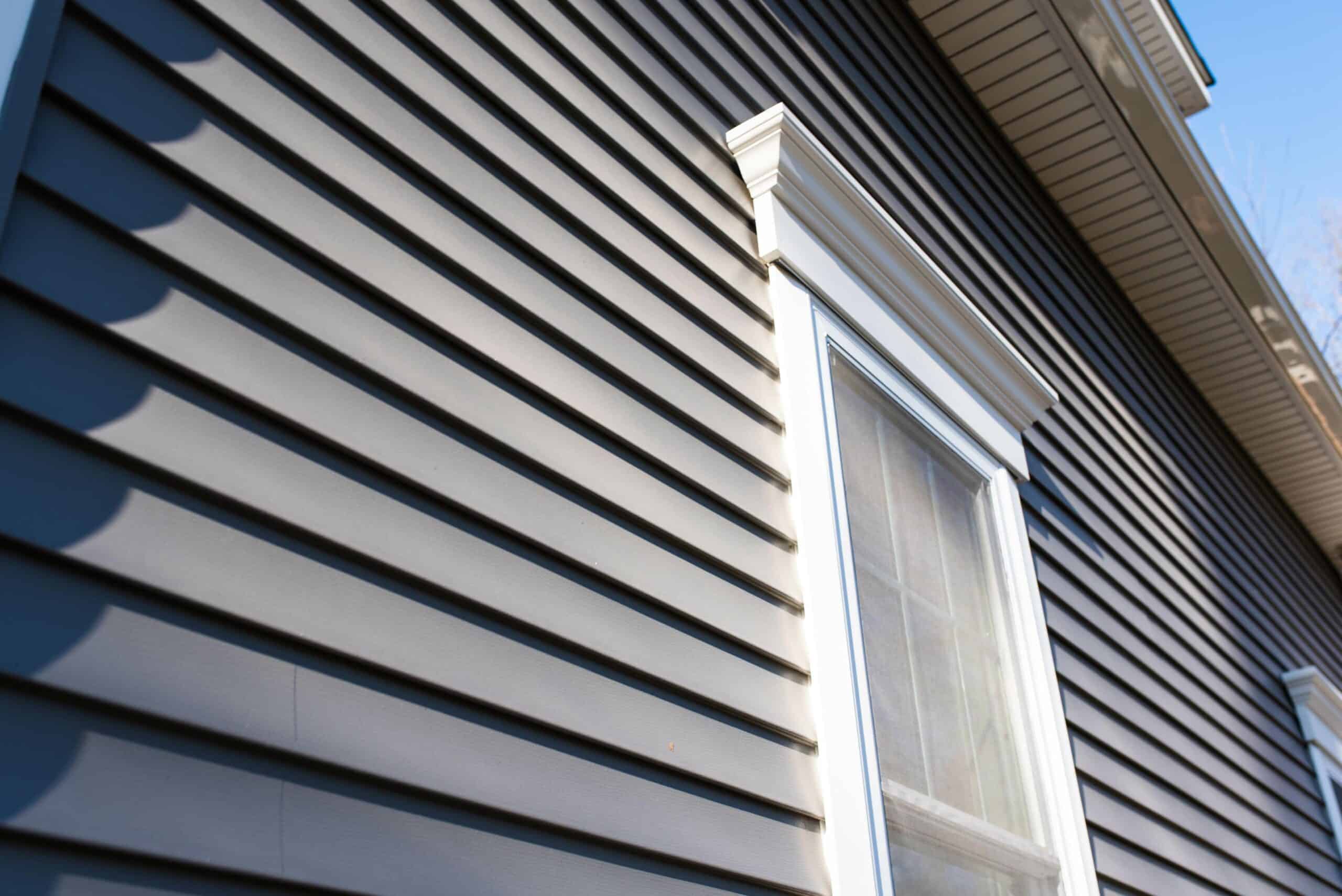
Fire performance is important, but it is not the only consideration.
Most homeowners also want siding that can handle severe weather, maintain the home’s curb appeal, and require reasonable maintenance.
This is one reason fiber cement remains popular. It combines strong fire performance with durability and an appearance that looks like wood without many of wood’s weaknesses.
A siding product that helps enhance both protection and appearance usually provides better long-term value than one selected for a single feature. Homeowners evaluating materials often compare the benefits of updating exterior cladding alongside fire-performance considerations.
Installation Matters as Much as Material
Even the best siding can underperform if installation details are ignored.
Open gaps, poorly sealed penetrations, damaged trim, and neglected maintenance can allow heat and embers to reach vulnerable areas of the wall system.
For that reason, contractor quality matters almost as much as the siding itself.
Routine inspections, debris removal, and basic upkeep help maintain the performance of the home’s exterior over time. Following consistent exterior care practices can also help identify minor issues before they become costly repairs.
When to Consider Siding Replacement
Older siding may deserve attention if you notice cracks, warping, deterioration, failed caulking, or recurring moisture issues.
These conditions can weaken the protective barrier around the house and increase exposure to heat, embers, and weather.
Homeowners considering replacement should also review:
• siding replacement signs
• updating exterior cladding
• exterior care practices
Final Thoughts
There is no siding product that makes a home completely fireproof.
The better approach is to compare fire resistant siding options, understand how different siding materials react to heat and fire, and choose a product that balances fire resistance, durability, maintenance, and appearance.
For many homeowners, fiber cement siding, metal siding, and masonry products offer stronger fire performance than vinyl siding or untreated wood siding, while still supporting the look and function of the home’s exterior. For homeowners seeking maximum fire protection, evaluating both material selection and installation quality remains essential.