
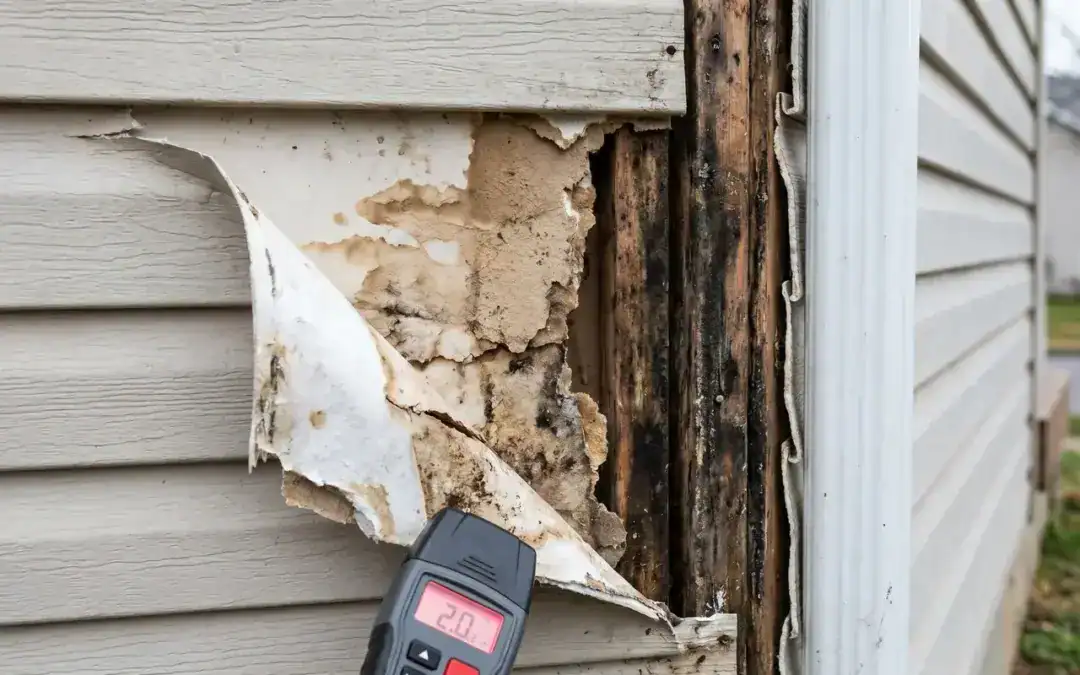
Most vinyl siding problems begin as minor appearance concerns. The problem is that some of those visible issues can signal deeper damage affecting the home’s exterior.
Many homeowners choose vinyl siding because it is a durable, low maintenance option among modern siding materials. While that reputation is deserved, vinyl is still a manufactured exterior material that can develop problems from age, weather exposure, impact damage, and improper installation.
Understanding which issues are cosmetic and which may threaten performance can help homeowners make better decisions before small concerns become major problems.
What Vinyl Siding Problems Usually Mean
Most vinyl siding issues fall into two categories: cosmetic wear and protective failure.
Cosmetic issues affect curb appeal and appearance. Protective failures can allow moisture, wind, or debris to affect the structure behind the siding.
When damage allows water intrusion or creates openings behind the siding, the risk increases significantly.
Warping and Buckling in Vinyl Siding
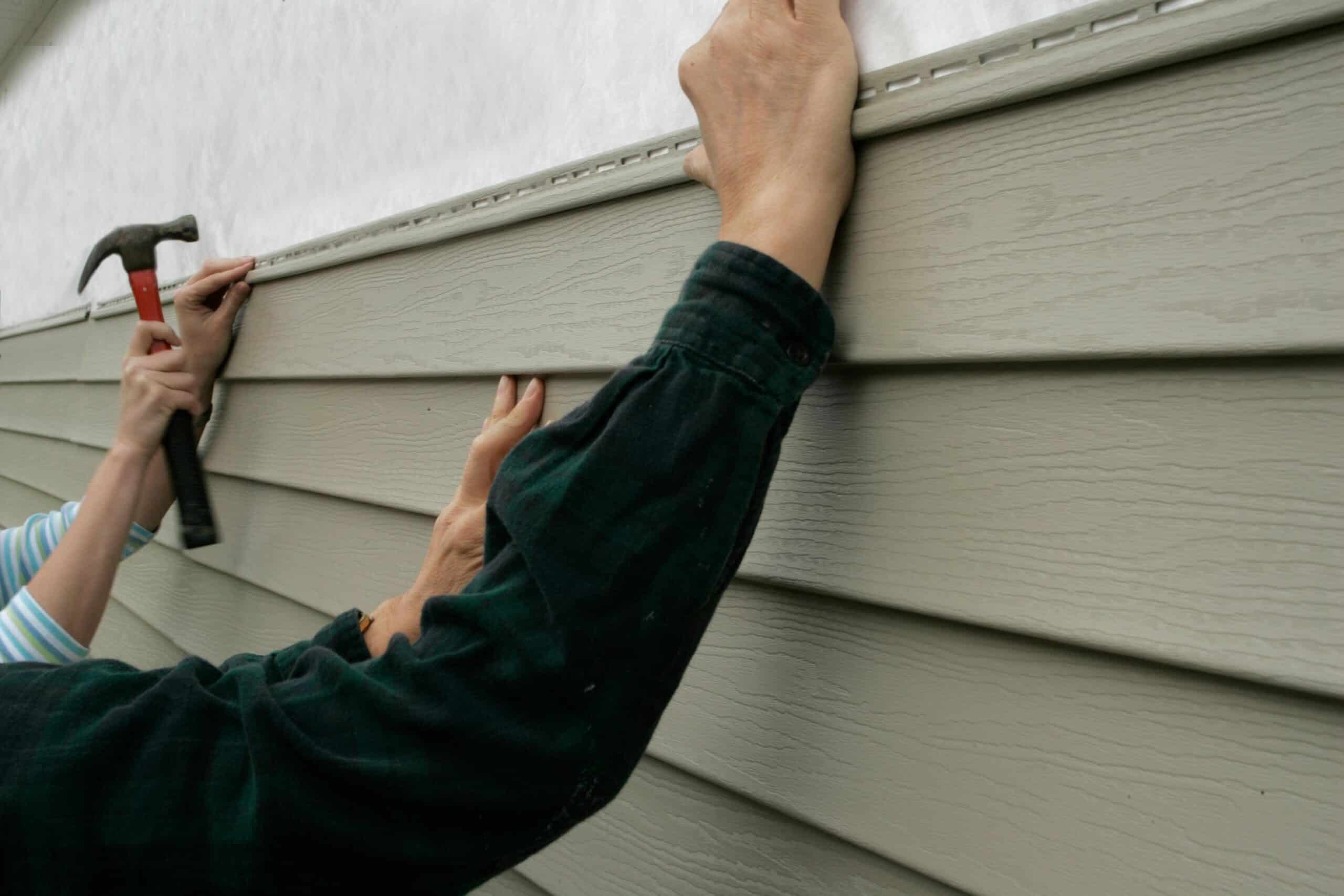
Warping is one of the most recognizable vinyl siding problems.
For homeowners trying to determine whether distorted panels can be repaired or if replacement is the better option, understanding the causes of siding buckling can help identify when heat exposure, fastening mistakes, or aging materials are contributing to the issue.
Common Causes of Warping
Because vinyl is a plastic material made from PVC, it expands and contracts with temperature changes. Excessive heat, reflected sunlight from nearby windows, and improper installation can all contribute to warping.
When contractors are installing vinyl siding, fasteners must allow movement. If panels are secured too tightly, expansion pressure can lead to buckling.
Homes exposed to prolonged heat, UV rays, or intense sunlight are often more susceptible to this problem.
Cracks, Holes, and Physical Damage
Physical damage creates direct pathways for moisture.
Common causes include high winds, hail, falling limbs from nearby trees, and impacts from ladders or outdoor equipment. Even small cracks and holes can allow water to reach areas behind the siding. Over time, trapped moisture may contribute to wood rot, hidden deterioration, or more expensive repairs.
When multiple damaged panels appear across the house, the issue may go beyond isolated wear.
Fading and Changes in Appearance
Not every vinyl siding problem threatens the house itself. However, fading can affect how the property looks and how buyers perceive its condition.
Why Vinyl Siding Fades
UV rays gradually break down surface pigments. Lower-quality products often fade faster than premium products.
The effects of long-term sun exposure on exterior materials are well documented by the U.S. Environmental Protection Agency, and builders often recommend higher-quality products when color retention is a priority.
After a few years, color differences may appear between shaded and sun-exposed walls.
While fading is usually cosmetic, widespread discoloration can reduce curb appeal and make the exterior look older than it is.
Loose Panels and Installation Concerns
Loose panels often point to installation issues rather than simple aging.
Properly installed vinyl siding should move slightly as temperatures change. Large gaps, sections pulling away from the wall, or recurring warranty claims may indicate improper installation.
A quality assembly also includes house wrap and proper drainage to help manage moisture behind the siding. When several loose areas appear together, the installation itself may be contributing to the problem.
Moisture Behind Vinyl Siding and Mildew Growth
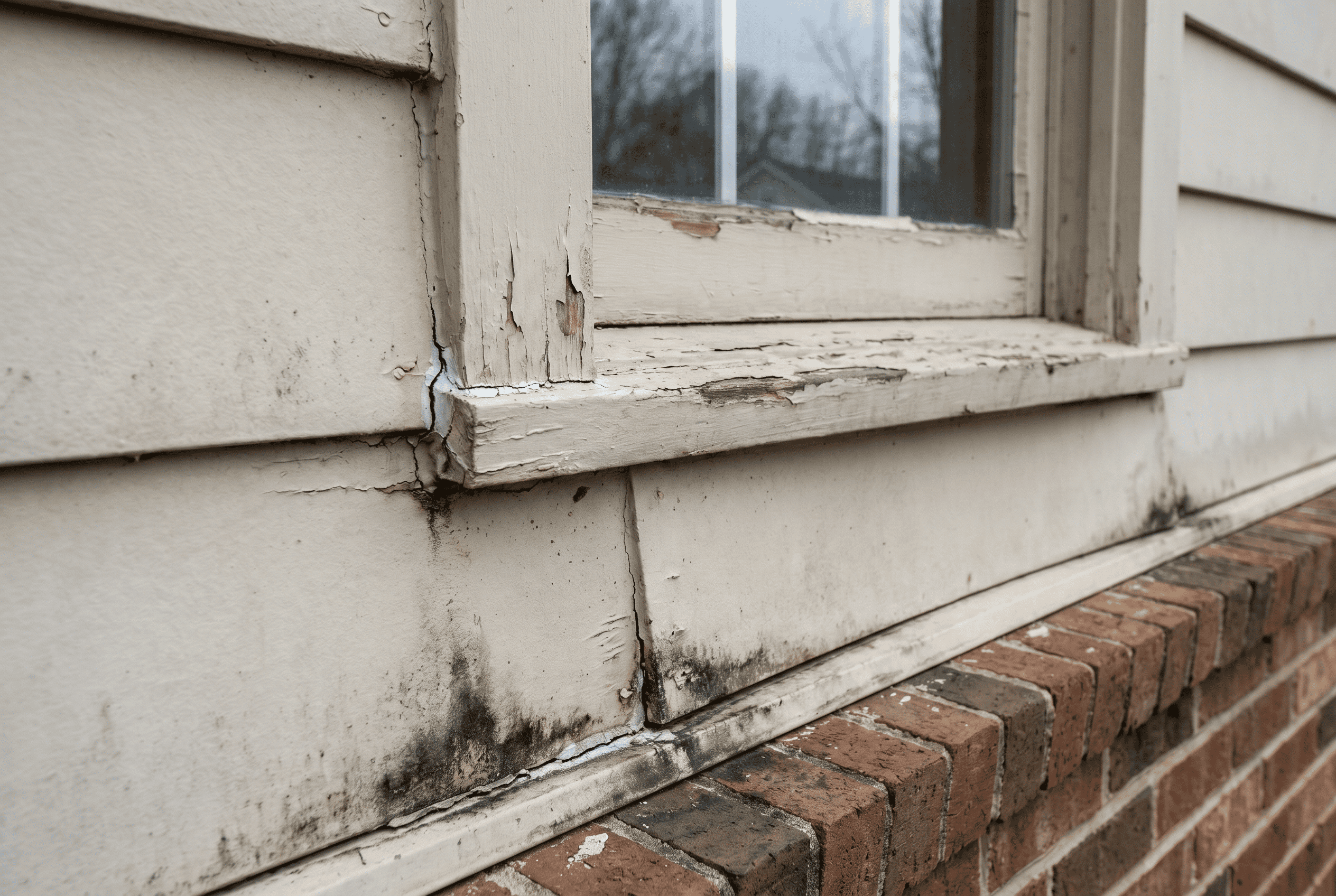
Contractors often pay closest attention to moisture-related concerns because the visible symptoms may only tell part of the story.
Recurring exterior staining can sometimes lead homeowners to uncover hidden drainage problems, and the warning signs discussed in mold-related siding issues often appear before more significant deterioration becomes visible.
What Moisture Can Lead To
Although vinyl siding sheds water, it is not waterproof. Wind-driven rain can reach areas behind the siding, which is why drainage systems and house wrap matter.
The U.S. Department of Energy notes that moisture can reduce insulation performance, making wet wall systems more costly to maintain over time.
Repeated water intrusion may contribute to mildew growth, mold growth, wet insulation, and eventually wood rot. Recurring mildew, staining, or visible mold around windows and lower walls deserves attention, especially when combined with soft spots or distorted panels.
These conditions can affect the home’s structural integrity if left unaddressed.
When Vinyl Siding Problems Point to Failing Siding
At some point, separate defects stop being isolated concerns and become signs of failing siding.
When multiple symptoms appear together, the indicators discussed in replacement warning signs can help homeowners determine whether repairs remain practical or if the siding system is nearing the end of its service life.
Repeated cracks, ongoing warping, moisture issues, loose sections, and widespread fading often indicate an aging system rather than a single repair need.
Compromised insulation can increase heating and cooling costs, while recurring moisture exposure becomes harder to manage over time.
Is New Siding a Better Choice Than More Repairs?
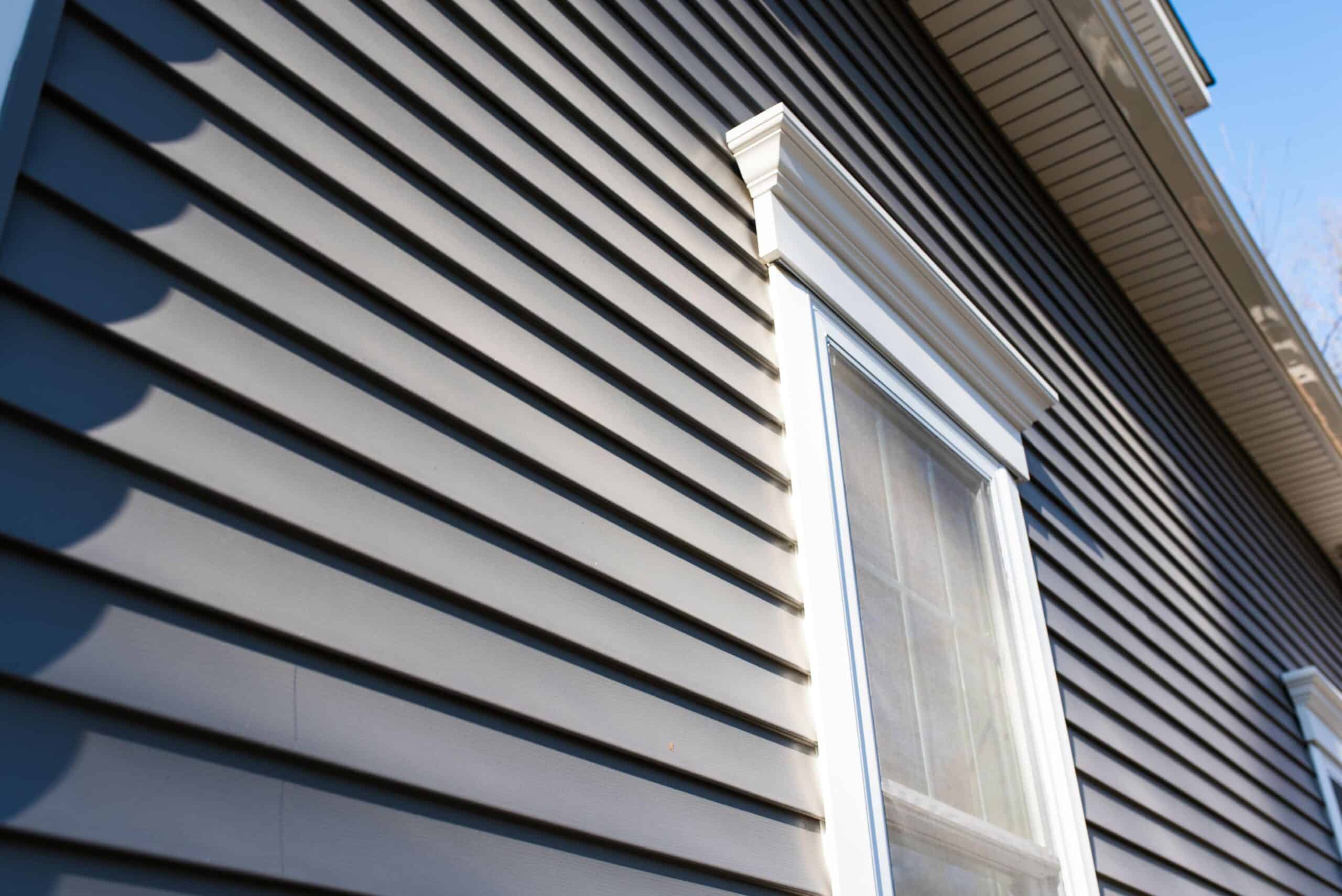
Homeowners comparing long-term repair costs against a full upgrade often benefit from reviewing siding replacement options to better understand how recurring defects, energy performance, and overall system age influence the decision.
When damage appears across multiple elevations of the house, patching isolated areas may only temporarily cover underlying issues.
In those situations, replacement may provide a better long-term outcome.
Common Siding Materials Homeowners Consider
Many homeowners compare insulated vinyl siding, fiber cement, wood siding, and aluminum siding when evaluating a new siding project.
Insulated vinyl siding adds insulation value while maintaining the low-maintenance characteristics that attract most people to vinyl.
Fiber cement is known for durability and is often selected by homeowners seeking a high-quality exterior that is less prone to impact damage. Real wood offers a traditional appearance but requires more upkeep. Aluminum siding still exists on many older homes, though it is less common today and may offer limited design options compared to newer products.
The best choice depends on the condition of the existing siding, the property’s needs, and long-term maintenance goals.
When siding can no longer reliably protect the home, replacement often provides better value than continuing to address isolated defects.